
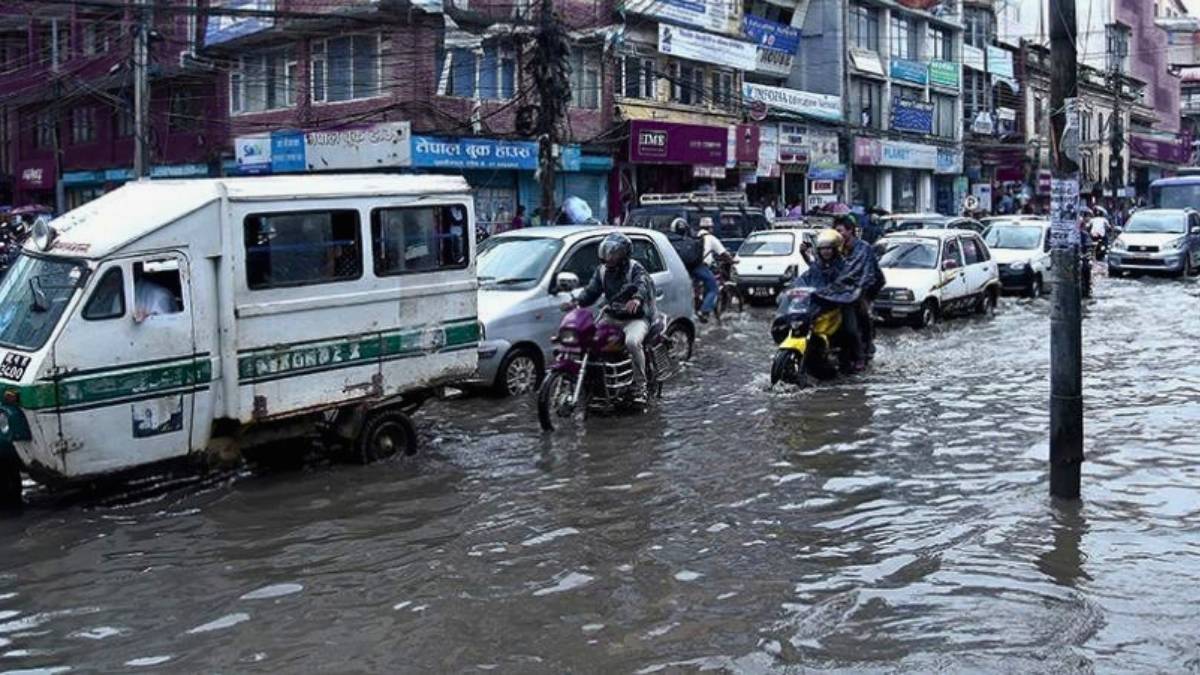
As Dashain approaches, concerns about another spell of heavy rain have begun circulating among people in Nepal, particularly on social media.
A claim that Nepal would experience three consecutive days of severe rainfall from Ashoj 17 has attracted widespread attention, prompting many people to search for updated weather information ahead of the country’s biggest festival.
However, Nepal’s official weather authority has urged the public to rely on official forecasts rather than unverified social-media claims.
The Department of Hydrology and Meteorology (DHM) is the government’s main source of weather and hydrological information. Its official website provides daily forecasts, three-day weather bulletins, special weather forecasts and weather warnings.
Viral Claim About Three Days of Heavy Rain
The social-media reports circulating ahead of Dashain have raised concerns among people planning to travel to their hometowns for the festival.
The claim suggests that Nepal could face severe rainfall for three consecutive days beginning on Ashoj 17.
Such reports can quickly spread during the monsoon and post-monsoon transition because millions of people travel across the country during Dashain.
However, a social-media forecast should not be treated as an official weather warning.

The DHM regularly updates its forecasts as atmospheric conditions change. Its website currently provides dedicated sections for the 24-hour forecast, three-day weather bulletin, special weather forecast and weather warnings, allowing the public to check the latest information directly.
What Does the Official Weather Information Say?
The latest DHM information available on September 29 shows that weather conditions vary significantly across Nepal.
For example, the department’s current forecast lists Kathmandu with a maximum temperature of 27–29°C and a minimum of 17–19°C, while some southern cities are expected to remain considerably warmer.
DHM’s website also maintains a real-time warning and hydrology monitoring system, including information relating to rainfall, rivers and other weather hazards.
This is important because rainfall in Nepal is highly localized. A forecast of rain in particular provinces or areas does not automatically mean the entire country will experience continuous heavy rainfall.
Rain Is Still Possible in Parts of Nepal
The fact that the viral claim should not be accepted as an official forecast does not mean Nepal will necessarily remain completely dry.
Recent weather reports have recorded moderate rainfall in Kathmandu Valley and several other parts of the country.
On September 27, Radio Nepal reported moderate rain in Kathmandu Valley and various other locations. It also reported cloudy conditions and the possibility of rain accompanied by thunder and lightning in several areas.
This distinction is important.
There is a major difference between:
“Some parts of Nepal may receive rain”
and
“The entire country will experience three consecutive days of severe rainfall.”
The first can be a legitimate weather forecast for particular locations, while the second requires specific evidence from an authoritative forecast.
Why Weather Forecasts Can Change
Weather forecasting is not static.
Meteorologists continuously monitor atmospheric pressure, wind patterns, moisture, temperature and other conditions. New observations can change the forecast as a weather system develops.
That is why the DHM publishes updated forecasts and warnings rather than issuing one forecast far in advance and leaving it unchanged.
The department’s website currently provides several layers of weather information, including short-term forecasts, three-day forecasts and special forecasts.
For people planning long-distance Dashain travel, checking the latest bulletin shortly before departure is therefore more useful than relying on a social-media post published several days earlier.
Dashain Travel Could Make Weather Concerns More Important
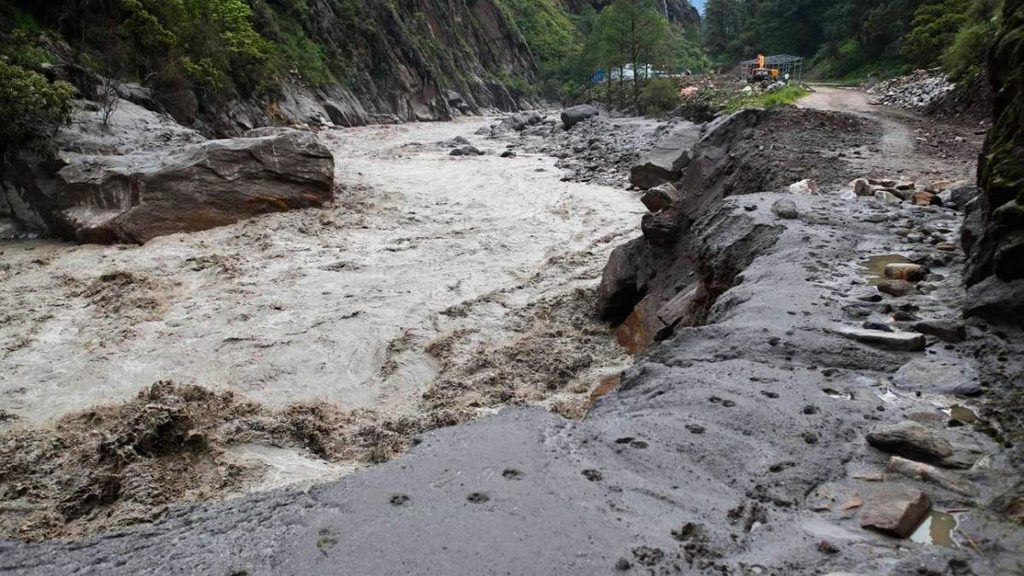
The timing of the weather discussion is particularly significant because Dashain is one of Nepal’s biggest annual travel periods.
Large numbers of people leave Kathmandu and other urban centers to visit relatives in different parts of the country.
Rainfall can affect:
- Highways and local roads
- Landslide-prone sections
- Rural roads
- Mountain routes
- Domestic flights
- River crossings
- Public transportation
The concern is not limited to rainfall itself.
After a prolonged period of wet weather, additional rain can increase the risk of landslides and localized flooding in vulnerable areas.
Recent flooding and landslides have already disrupted major transportation and trade routes in Nepal. The Kathmandu Post reported on September 29 that all three major Nepal-China land crossings had been affected by monsoon-related flooding and landslides ahead of Dashain.
That makes accurate weather information especially important for people preparing to travel.
What About Cooler Weather?
Weather expert Binod Pokharel has also suggested that Nepal could experience a change in weather conditions, including reduced sunshine and rainfall in some hilly areas.
According to reports circulating on the current weather situation, the influence of westerly winds could contribute to cloudier conditions and some rainfall.
A shift toward cloudier, cooler conditions, however, should not automatically be interpreted as evidence of a nationwide severe rain event.
Weather conditions can vary substantially between the Terai, hills and Himalayan regions.
Kathmandu Weather Before Dashain
For Kathmandu residents, the most useful approach is to monitor the short-term forecast rather than rely on a generalized national prediction.
As of September 29, DHM’s current forecast lists Kathmandu at 27–29°C during the day and 17–19°C at night, with the displayed rain probability at 0% for that forecast period.
That forecast applies to the current period and should not be interpreted as a guarantee for the weather several days later.
People planning travel from Kathmandu should check DHM’s latest three-day bulletin and warnings as their departure date approaches.
Should You Believe Weather Rumors on Social Media?
The simple answer is: check the source before sharing the information.
Weather-related misinformation can create unnecessary anxiety, particularly before major festivals when millions of people are making travel plans.
A post claiming that a particular date will bring “three days of severe rain” should be checked against the official DHM forecast.
The department provides its own warning system and encourages the public to use its official weather and flood information. Its website also provides the toll-free number 1155, with options for weather forecasting and flood early-warning information.
What Should People Planning Dashain Travel Do?
People traveling during Dashaindo not necessarily need to change their plans simply because of an unverified social-media forecast.
Instead, travelers should:
- Check the latest DHM forecast before leaving.
- Check weather warnings for their destination.
- Monitor road conditions if traveling by highway.
- Avoid unnecessary travel through areas experiencing active landslides or flooding.
- Be particularly cautious when traveling at night during periods of heavy rain.
- Follow instructions issued by local authorities.
- Check flight information before traveling to airports.
Conditions can change quickly, particularly in mountainous and hilly areas.
The Bottom Line
The viral claim about three consecutive days of severe rainfall beginning on Ashoj 17 should not be treated as an official forecast simply because it is circulating widely on social media.
Nepal can still experience rainfall and changing weather conditions as Dashain approaches, and recent reports have documented rain in Kathmandu Valley and other parts of the country.
The most reliable source for updated information is the Department of Hydrology and Meteorology, which publishes daily forecasts, three-day bulletins and weather warnings.
For people preparing for Dashain travel, the best approach is therefore to monitor the latest official forecast rather than panic over an unverified prediction.
Frequently Asked Questions
Will Nepal receive heavy rain before Dashain 2026?
Rainfall remains possible in parts of Nepal, but weather conditions vary by location and forecasts can change. Travelers should check the latest DHM bulletin rather than rely on social-media claims.
Is the three-day heavy-rain warning from Ashoj 17 official?
People should verify such claims against the latest Department of Hydrology and Meteorology bulletin. The DHM is the official source for Nepal’s weather warnings and forecasts.
Where can I check Nepal’s official weather forecast?
The Department of Hydrology and Meteorology provides daily, three-day and special weather forecasts through its official website.
Could rain affect Dashain travel?
Yes. Rain can affect roads, landslide-prone areas, flights and local transportation. Recent monsoon-related disruptions have already affected transportation and border routes in parts of Nepal.
What is the DHM emergency weather information number?
The DHM website lists 1155 as a toll-free number, with options for weather forecasting and flood early-warning information.