
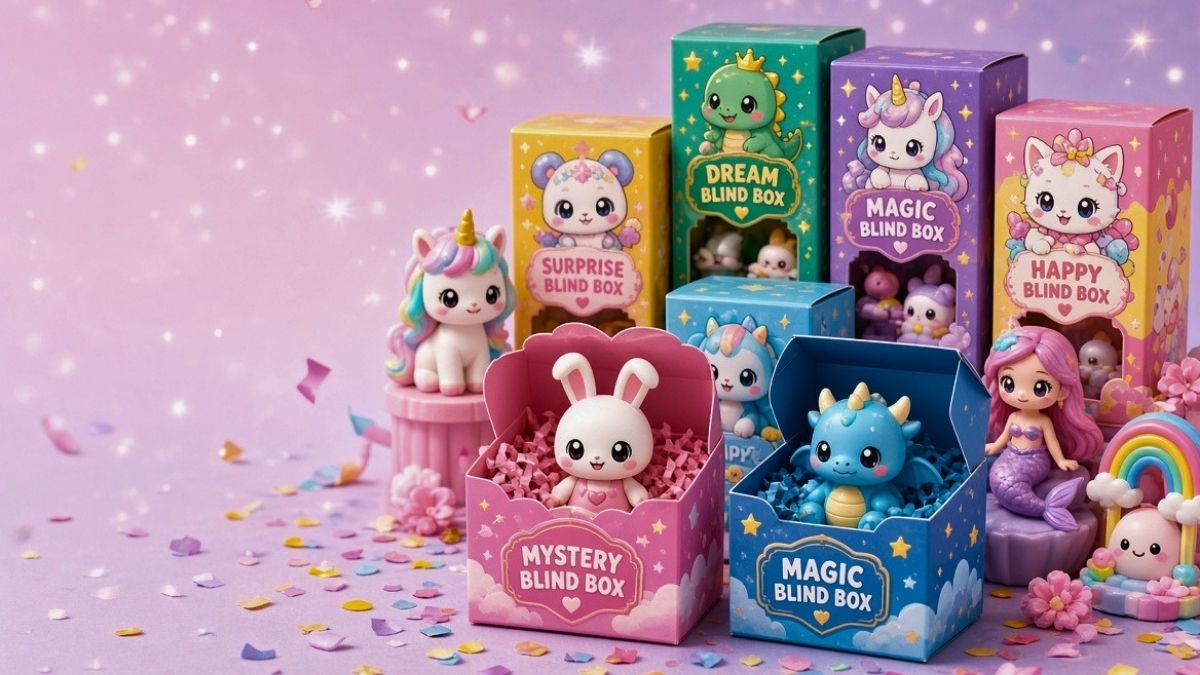
Blind boxes have become a fascinating part of modern collectible culture. From designer figures and cute miniature toys to the growing popularity of Labubu collectibles, these mystery products attract people who enjoy the excitement of discovering something unexpected. Buyers know the general type of item they are purchasing, but they do not know exactly which figure they will find inside until they open the package.
So, why are blind boxes so popular? The answer goes beyond the toys themselves. Surprise, curiosity, collectible designs, social media, limited editions and the desire to complete a collection all contribute to their appeal. For some buyers, opening a blind box is a small moment of entertainment. For others, it can become an expensive hobby driven by the hope of finding a rare figure.
Understanding this trend reveals how businesses combine product design, psychology and social experiences to make ordinary purchases feel like memorable events.
What Are Blind Boxes?
A blind box is a sealed package containing one item from a particular collection. The buyer usually knows which collection they are purchasing from but cannot identify the exact figure inside the box before opening it.
For example, a collection might feature eight different characters, including one or two rare designs. Every box contains a figure, but the buyer may receive a character they already own rather than the one they want.
Blind boxes are commonly associated with collectible toys, miniature figures, character merchandise and designer art toys. Brands such as Pop Mart have helped bring this format into mainstream collectible culture, while characters such as Labubu have become recognizable examples of the wider trend.
The defining feature is uncertainty. Unlike buying a specific toy from a shelf, purchasing a blind box means paying for both the product and the experience of discovering what is inside.
1. The Excitement of Not Knowing What Is Inside

The mystery is one of the biggest reasons blind boxes attract buyers.
When people purchase a regular product, they generally know what they will receive. A blind box creates a different experience because several possible outcomes remain hidden until the package is opened.
That uncertainty encourages curiosity. Buyers may wonder whether they will get their favorite character, discover an unfamiliar design or find a rare figure. The short wait between purchasing the box and revealing its contents becomes part of the entertainment.
Research published in Frontiers in Behavioral Neuroscience examined how uncertainty and curiosity influence blind-box purchasing intentions. The study found that perceived uncertainty was positively associated with impulsive purchase intention, with curiosity playing an important role in the relationship.
The research helps explain why the mystery itself can be attractive, even before a buyer sees the product.
This does not mean every blind-box purchase is impulsive or harmful. Many people simply enjoy the surprise. However, when the excitement of opening a package becomes the main motivation for buying another one, it can be harder to decide when to stop.
2. Collecting Makes Every Figure Feel Part of a Bigger Goal
Blind boxes often belong to a themed collection rather than being sold as completely separate products.
A series might include characters with different colors, outfits, expressions or accessories. Some buyers want only their favorite figure, while others hope to collect every design in the set.
This creates a goal beyond the purchase of a single toy.
Someone who already owns six figures from a collection may feel motivated to find the remaining two. Completing the set can provide a sense of achievement, while displaying the finished collection can make the effort feel worthwhile.
However, the same feature can encourage repeated purchases. If buyers cannot select the exact figure they want, they may need to purchase multiple boxes to improve their chances of finding it. They may also receive duplicates along the way.
For collectors who enjoy trading or exchanging duplicates, this can be part of the hobby. For others, it can lead to spending more than they originally intended.
The distinction matters: collecting is not automatically a problem, but the desire to complete a set can become financially demanding when the contents of each purchase remain uncertain.
3. Labubu and the Appeal of Distinctive Characters
The popularity of Labubu illustrates how character design can help a collectible become a cultural phenomenon.
Labubu, associated with artist Kasing Lung and Pop Mart’s collectible toy business, has a distinctive appearance that blends a playful expression with pointed ears and a mischievous smile. Its unusual design stands out from more conventional cute toys.
That distinctive identity helps a figure become recognizable in photographs, videos and public displays. Collectors may be attracted to the character’s appearance, while others enjoy owning a particular version or finding a less common design.
Labubu also demonstrates how a collectible can move beyond the toy market. Figures and accessories can become fashion items, conversation starters and ways for people to express personal taste.
Still, blind boxes and collectible characters are not the same thing. A popular character may attract buyers because they genuinely like its design, while the blind-box format adds the uncertainty of which version they will receive.
When those two elements work together, a purchase can offer both emotional appeal and the excitement of a surprise.

4. Social Media Turns Unboxing Into Entertainment
Social media has helped make blind boxes more visible to people who might never have considered buying them.
Unboxing videos show creators opening sealed packages, revealing the figure and reacting to the result. A rare find can produce excitement, while a disappointing result can prompt jokes, discussion or sympathy from viewers.
These videos work as short entertainment. They also demonstrate the experience of buying a blind box without requiring viewers to purchase one themselves.
The format is particularly suited to short-form video because it has a simple structure: introduce the mystery, open the package, reveal the contents and react.
Social media can also help collectors discover new series, compare figures and exchange opinions. Online communities allow people to share collections, discuss their favorite characters and look for figures they have not managed to find.
But there is a potential downside. Viewers are more likely to remember an exciting video featuring a rare figure than they are to remember dozens of ordinary purchases. If a feed repeatedly showcases successful reveals, blind-box collecting can appear more rewarding or easier than it really is.
The result is a cycle in which social media promotes the product, unboxing videos make the experience look entertaining, and new buyers join the trend.
5. Scarcity and Rare Figures Make the Search More Exciting
Some blind-box collections contain rare or hidden figures that are harder to find than standard designs. This adds another layer to the experience.
A collector may be satisfied with any figure from the collection but especially excited by the possibility of finding a rare one. Limited releases, special editions and popular character designs can increase interest in particular series.
Scarcity can also create urgency. Buyers may worry that a collection will sell out before they find the figure they want, especially when a product is heavily discussed online.
Research published in BMC Psychology in 2025 examined the relationship between uncertainty in doll blind boxes and irrational consumption behavior, including the roles of instant gratification, perceived scarcity and the gambler’s fallacy.
The study offers a useful perspective on why some buyers may continue to purchase despite disappointing results. However, its findings should not be taken to mean that every collector experiences these effects.
One important point is that buying another box does not guarantee a rare figure. If each purchase is an independent draw under the same distribution, previous unsuccessful purchases do not automatically improve the odds of the next one. Buyers should check the manufacturer’s published probabilities where available rather than relying on feelings of luck.
6. Blind Boxes Create a Shared Hobby and Social Identity
Collecting can also be a social activity.
Friends may exchange figures, compare collections or buy boxes together. Online groups allow collectors to discuss new releases, show off unusual finds and arrange trades. For some people, these communities are just as important as the objects themselves.
A collectible can become a small symbol of identity: it communicates a person’s interests, aesthetic preferences or connection to a particular fandom.
Research published in Current Psychology has explored group interactions and psychological motivations in blind-box consumption, adding to the discussion of how social relationships can influence the hobby.

This social element helps explain why blind boxes may appeal even to people who are not particularly interested in toys. They might enjoy participating in a community, following a trend or sharing a memorable experience with friends.
At the same time, social pressure can influence spending. Seeing friends acquire new figures or watching creators reveal rare designs may create a feeling that a collector needs to keep buying to remain involved.
A healthy collecting community should make room for people who trade, display or simply enjoy the figures they already own—not just those who purchase the most.
7. Why Blind Boxes Can Encourage Overspending
The features that make blind boxes entertaining can also make spending harder to control.
The buyer pays for a product without knowing its exact identity. If the result is disappointing, buying another box may seem like a simple way to try again. If the result is exciting, the buyer may want to repeat the experience.
This pattern can make individual purchases feel small while the total cost grows over time.
The risk is especially noticeable when someone begins chasing a particular rare figure, repeatedly buys duplicates or spends money they had set aside for other needs.
Warning signs may include:
- Purchasing more boxes than originally planned.
- Continuing to buy mainly because a desired figure has not appeared.
- Feeling strong regret after spending but repeating the behavior.
- Hiding purchases or feeling anxious about how much was spent.
- Using money needed for essentials to continue collecting.
These signs do not establish a diagnosis, but they can indicate that the hobby is becoming difficult to manage.
A few practical rules can help. Decide on a spending limit before shopping, treat every box as a purchase that might contain an unwanted duplicate, and pause before buying another one after a disappointing reveal. If you want one specific figure, compare the cost of buying it directly from a reputable seller with the cost and uncertainty of repeatedly opening boxes.
The aim is not to remove the fun from collecting. It is to make sure the hobby remains enjoyable without creating financial stress.
Are Blind Boxes Just a Passing Trend?
The blind-box format has existed for years, but its visibility can rise quickly when popular characters, new releases and social media attention converge.
The format also offers businesses a repeatable way to introduce new collections. New themes and designs can attract existing collectors while giving newcomers a reason to participate.
However, popularity does not guarantee that every series will remain in demand. Consumer tastes change, and a figure that attracts intense attention today may become less desirable later. Secondary-market prices can fluctuate, and limited availability does not guarantee that a collectible will retain its value.
For buyers, blind boxes are best understood as entertainment and collecting products rather than investments. Unless there is reliable evidence to the contrary, it is unwise to assume that a rare figure will appreciate enough to cover the cost of multiple purchases.
The future of the trend will depend on whether companies continue to create appealing designs, collectors remain interested and buyers feel that the experience is worth the price.
Final Thoughts: Why Are Blind Boxes So Popular?
Blind boxes combine several powerful attractions: the curiosity of an unknown outcome, the satisfaction of collecting, distinctive character designs, social interaction and the entertainment of an unboxing reveal.
Labubu and other collectible figures show how these elements can transform a small toy into a recognizable cultural product. Social media amplifies the excitement, while rare designs and incomplete collections can encourage people to return for another purchase.
Yet the same mystery that makes blind boxes fun can also encourage unnecessary spending when buyers focus on chasing a particular result.
Ultimately, the appeal is not simply about what is inside the box. It is about the anticipation before opening it, the emotions that follow and the experience of sharing the result with others.
For collectors, the best approach is to enjoy the designs, set sensible spending limits and remember that no rare figure is worth sacrificing financial peace of mind.
1 thought on “Why Are Blind Boxes So Popular? The Psychology Behind the Trend”