

India is my motherland, and I love it deeply. Like many ordinary citizens, I feel worried about the future of our country. The rapid rise in the Muslim population is creating serious challenges that we cannot ignore. This is not about hating any community, but about facing hard truths for the safety and unity of our nation.
The Demographic Shift
At the time of Independence, Muslims formed around 9 to 10 percent of India’s population. Today, official figures show more than 14 percent, and many experts believe the real number is higher because of illegal immigration. Their fertility rate has stayed higher than other communities for decades. Even though the gap is narrowing, Muslims still have more children on average.
In several districts of Assam, West Bengal, Bihar, Uttar Pradesh, and Kerala, their numbers have grown fast. Some areas are now close to 30 to 50 percent Muslim. This change is not just about numbers. It is changing local cultures and creating Muslim-majority pockets. History shows us what happens when one community becomes dominant in a region — the painful Partition of 1947 is a reminder. If current trends continue, many parts of India could face similar pressures in the coming decades.
Rising Security Threats
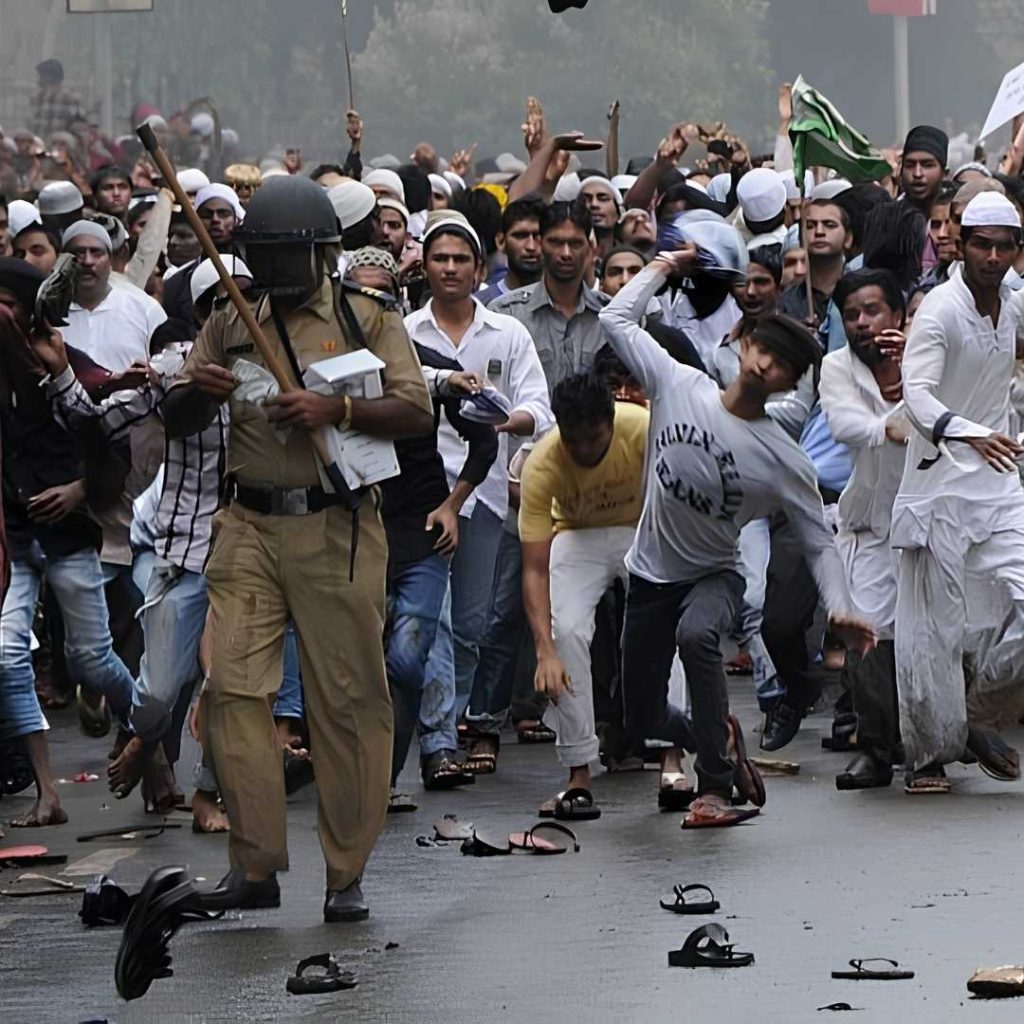
Security is one of the biggest worries. Kashmir has suffered for decades due to separatism and terrorism backed from across the border. Hundreds of thousands of Kashmiri Pandits were forced to leave their homes. Major attacks like 26/11 Mumbai and several others have been linked to radical Islamist groups.
Many Indian Muslims live peacefully, but a section holds extreme views. The idea of Ghazwa-e-Hind — turning India into an Islamic land — finds sympathy in certain circles. Madrasas receiving foreign funds, online radicalization, and the tendency to put religious loyalty above national loyalty create risks. Terror cases and arrests often trace back to these networks. When a large population holds such ideas, even silently, it becomes a threat to the entire country.
Crime and Daily Life Challenges
In many Muslim-dominated localities, people report higher levels of crime and tension. Official records do not always show religion-wise data, but prison statistics and local police reports reveal over-representation. Issues like cow smuggling, drug peddling, fake currency, and communal clashes appear more frequently in these areas.
Women often feel unsafe. Cases of love jihad — where girls are targeted, converted, and trapped — keep coming to light. Hindus in these neighborhoods sometimes face pressure to sell properties or move out. Festivals get restricted, and a sense of alienation grows. Peaceful coexistence becomes difficult when one group tries to dominate public spaces and enforce its own rules.
Cultural and Social Impact
India is the ancient land of Hindu civilization. For centuries, our culture has survived invasions and challenges. Today, it faces a new kind of pressure from within. Demands for separate laws, halal-only preferences, hijab controversies in schools, and refusal to respect national symbols show a parallel society taking shape.
Many Muslims prefer to live separately, marry within the community, and follow personal laws that clash with modern values. This resistance to a Uniform Civil Code and population control measures hurts national unity. Vote-bank politics makes leaders ignore these problems. As a result, genuine development and integration suffer.
The growing population also puts pressure on resources — jobs, land, education, and hospitals. When one community grows faster without adopting modern family planning, it creates imbalance and resentment among others.
The Way Forward: Urgent Steps Needed
We must act wisely and firmly before the situation gets worse. Here are some important measures:
- Implement a Uniform Civil Code across the country so that the same laws apply to everyone.
- Introduce strong population control policies with incentives for smaller families and link government benefits to the two-child norm.
- Strictly monitor madrasas, stop foreign funding for radical activities, and promote modern education.
- Strengthen border security to stop illegal immigration.
- Reform intelligence and police to tackle radicalization without fear or favor.
- End appeasement politics and focus on genuine nationalism in schools and public life.
Hindus must also unite and raise their voice democratically. We need leaders who put India first, not any particular vote bank.
Conclusion
The growing Muslim population, combined with poor integration, higher fertility rates, and pockets of extremism, poses real dangers to India’s stability, security, and cultural identity. This is not hatred but an honest concern for our children’s future. If we keep ignoring these ground realities in the name of false secularism, we risk repeating the mistakes of other nations that woke up too late.Dearborn Mosque Dispute: A Clash Over Sound Divides a Community
India belongs to all its citizens, but it must remain the homeland of Hindu civilization. We have the right — and the duty — to protect it. The time for action is now. Let us choose national interest over political correctness and build a strong, united, and secure Bharat.https://www.mlive.com/