
In recent years, the phrase “Why Europe No Longer Wants Pakistani Men” has surfaced in debates about immigration, crime, and cultural integration. This sentiment, while inflammatory, stems from a mix of high-profile incidents, media amplification, and broader anxieties about multiculturalism in Europe, particularly in the UK. This blog explores the reasons behind this perception, grounded in evidence, while addressing the complexities of crime, radicalization, and societal integration.
The Grooming Gang Scandals: A Focal Point of Fear
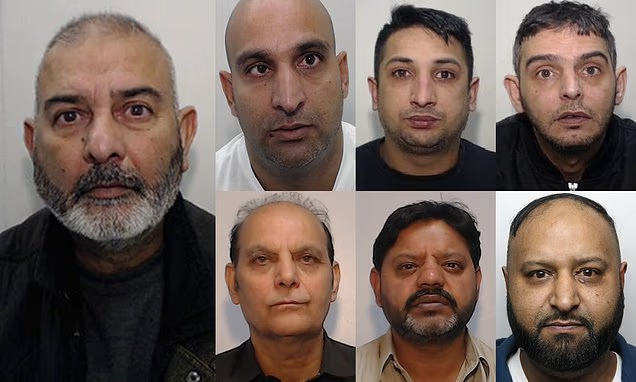
One of the most damaging associations with Pakistani men in Europe, especially the UK, comes from the grooming gang scandals. These cases involve organized groups exploiting vulnerable young women and children, often through coercion, drugs, and abuse. In towns like Rotherham, Rochdale, and Telford, reports revealed shocking details: in Rotherham alone, an estimated 1,400 victims were abused over decades, with many perpetrators being British-Pakistani men. A 2025 report highlighted that while ethnicity data is incomplete, South Asian men, particularly of Pakistani heritage, were overrepresented in these “Type 1” street-based grooming networks.
These scandals, widely covered by media, have fueled distrust. The 2012 Rochdale case, where eight of nine convicted men were of Pakistani origin, became a flashpoint. Public outrage grew not just from the crimes but from perceived institutional failures—police and councils hesitated to act, fearing accusations of racism. This has led some locals to view Pakistani men as inherently suspect, a stereotype amplified by far-right groups and social media platforms like X, where users frame these crimes as evidence of cultural incompatibility.
However, it’s critical to note that grooming gangs aren’t exclusive to one community. White British perpetrators dominate in other forms of abuse, like familial or online exploitation. Socioeconomic factors, such as poverty and marginalization, also play a role in these crimes, yet the focus on Pakistani men has created a lasting impression.
Radical Islam and Terrorism: A Persistent Concern
Another factor driving the “Why Europe No Longer Wants Pakistani Men” narrative is the association of some individuals with radical Islam and terrorism. The UK’s 7/7 London bombings in 2005, carried out by British-Pakistani men, remain a stark memory. Recent counter-terrorism data shows ongoing investigations into Pakistan-linked groups like Lashkar-e-Taiba, with arrests in 2025 across Europe (e.g., Italy and Spain) involving Pakistani nationals tied to ISIS propaganda. These incidents, though involving a tiny minority, reinforce fears of radicalization within Pakistani communities.
Across Europe, events like the 2015 Paris attacks, where support networks had links to Pakistani diaspora, have heightened scrutiny. X discussions often highlight these cases, with some users arguing that cultural or religious values among Pakistani immigrants clash with European norms. This perception is compounded by reports of radical preaching in certain mosques, though studies emphasize that socioeconomic exclusion, not religion alone, drives most radicalization.
Media Amplification and Public Sentiment
Media coverage and political rhetoric have played a significant role in shaping perceptions. In the UK, tabloids and right-wing commentators have linked Pakistani men to “cultural enrichment” in crime, a phrase echoed on X. Polls show growing suspicion toward Muslim communities, with some locals avoiding areas with large Pakistani populations. In broader Europe, anti-immigrant sentiment ties Pakistani men to broader migrant crime stats, particularly in Germany and the Netherlands.
This narrative isn’t universal. Eastern European countries, with stricter immigration policies, report fewer such issues, which some X users cite as a model. Meanwhile, academics and community leaders argue that framing Pakistani men as a monolithic threat ignores the majority who integrate successfully and contribute to society. A 2025 analysis called for community self-reflection to address extremism, but also criticized systemic failures like police inaction.
The Bigger Picture: Integration and Stereotypes
The “Why Europe No Longer Wants Pakistani Men” sentiment risks oversimplifying a complex issue. Over 1.5 million people of Pakistani descent live in the UK, and the vast majority are not involved in crime or extremism. Yet, high-profile scandals and terror links have created a feedback loop of fear, amplified by media and political agendas. Integration challenges—poverty, segregation, and cultural differences—play a role, but so do failures in policy and community engagement.
Addressing this requires nuance: tackling crime and extremism without demonizing entire communities, improving integration through education and economic opportunities, and countering media-driven stereotypes. The alternative—broad suspicion—only deepens division, as seen in the heated debates online and in European streets.
Govt should Deport these garbage asap.