

As March 2026 comes to an end, the Iran conflict has reached a critical turning point. Thousands of U.S. Marines have surged into the Middle East, adding significant combat power to an already volatile region. President Donald Trump continues to blend tough public statements with strategic unpredictability, leaving allies, adversaries, and observers wondering: What will Trump’s next move be in the Iran war? While headlines spotlight Kharg Island as a potential target, many analysts believe the island could serve mainly as a high-profile show of force, with the real pressure possibly coming from targeted operations along the coast or deeper inside mainland Iran.
The Marine Surge: Fresh Forces Ready for Action
The deployment of U.S. Marines marks a notable escalation. The 31st Marine Expeditionary Unit, with roughly 2,200 to 3,500 troops aboard the USS Tripoli, has arrived in the region. The 11th Marine Expeditionary Unit, carrying another 2,500 Marines on the USS Boxer group, is expected to join soon. These forces supplement the existing 50,000-plus U.S. troops already in theater, along with elements of the 82nd Airborne Division. Marine Expeditionary Units are designed for rapid-response missions, including amphibious assaults, helicopter-borne raids, and precision strikes on coastal or island targets. Their presence suggests preparation for flexible ground operations that could extend over several weeks.
This buildup gives Trump more options on the battlefield. Pentagon planners appear focused on limited actions rather than a full-scale invasion. The goal seems to be degrading Iran’s ability to threaten international shipping through the Strait of Hormuz while applying economic and military pressure on the regime.
Kharg Island: High-Profile Target or Strategic Distraction?
Kharg Island has dominated recent discussions. Situated just 15 miles off Iran’s coast in the Persian Gulf, this small island handles about 90 percent of Iran’s crude oil exports. Disrupting or controlling it would deliver a severe blow to Tehran’s revenue and war-sustaining funds. Trump has long eyed the location; earlier this month, U.S. forces struck over 90 military targets there, including air defenses and missile sites, while sparing the oil infrastructure. Now, speculation swirls around a possible seizure or blockade to force the reopening of the Strait of Hormuz.
On the surface, Kharg Island appears as an attractive objective — a contained, visible win that could cripple Iran’s economy without a prolonged inland campaign. Iran has responded by fortifying the island with mines, additional troops, and layered air defenses. Some Iranian claims even suggest a failed U.S. landing attempt, though these reports lack independent confirmation. The risks are real: drones, mines, and traps could turn any ground operation into a dangerous and costly endeavor.
Yet many observers, including those following the Marine capabilities closely, suspect Kharg Island might function partly as a “show factor.” The real strategic value of these Marine units lies in their flexibility for ship-to-shore raids and air-mobile strikes. Such operations could target coastal naval bases, fast-attack boat fleets, mine stockpiles, and inland missile sites that continue to endanger shipping lanes.
Trump’s Unpredictable Style: Keeping Everyone Guessing
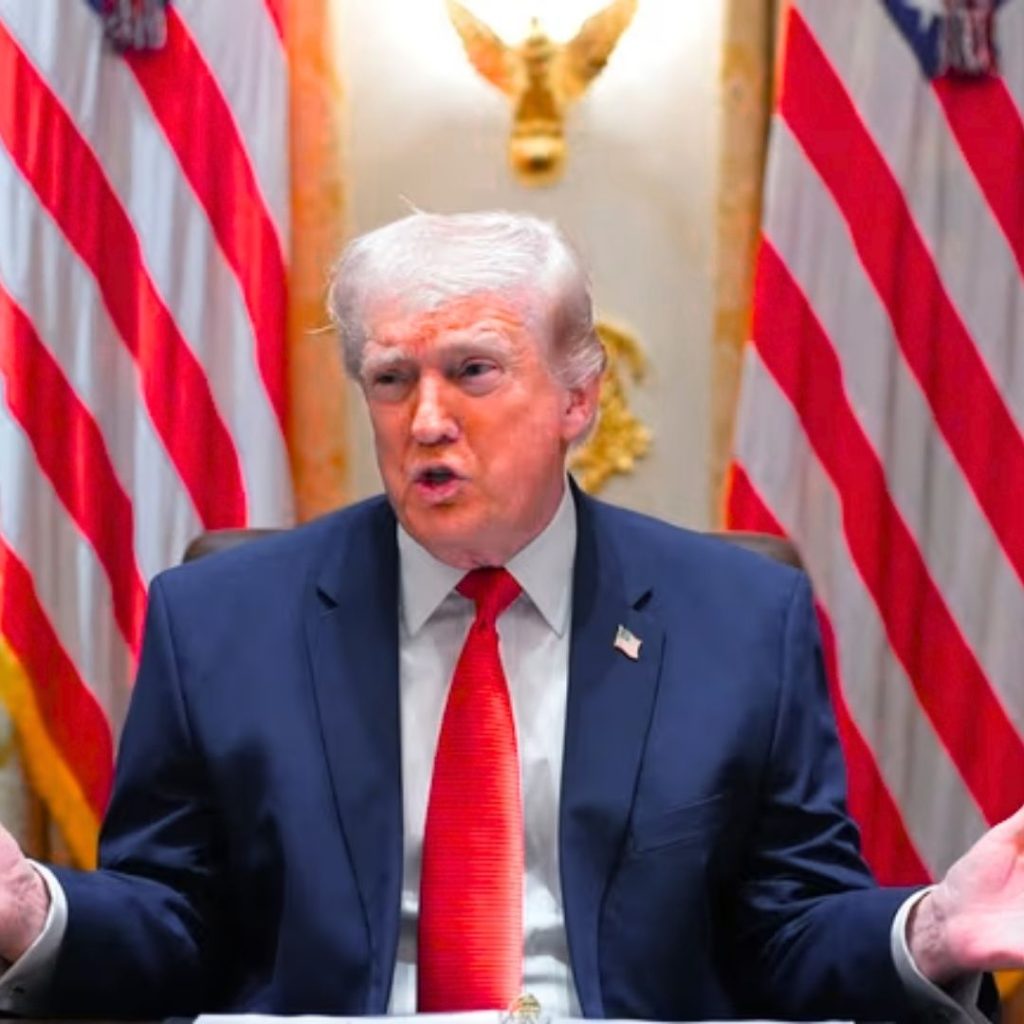
What will Trump’s next move be in the Iran war? This question captures the essence of his approach. Publicly, Trump has extended deadlines for Iran to reopen the Strait of Hormuz, most recently pushing the latest cutoff to April 6 while pausing threats against Iranian power plants. He has floated peace overtures and claimed talks are progressing, even as he warns that he will “keep blowing them away” until Iran gets serious about a deal. Behind the scenes, however, the military buildup continues, leaving all options on the table.
This deliberate ambiguity is a hallmark of Trump’s strategy. By mixing bluster with back-channel diplomacy, he keeps Iran off balance. The arrival of the Marines provides concrete leverage — whether for a dramatic push toward Kharg Island or a series of sharper, limited raids that hit Iranian capabilities where they matter most. No one can confidently predict the exact timeline or scope of the next action. That uncertainty itself serves as a powerful tool, forcing Tehran to divide its attention and resources.
Risks and Potential Triggers for Escalation
Even limited ground operations carry significant risks. Any incursion near or inside Iranian territory could provoke stronger retaliation, including proxy attacks or further disruption of oil markets. Shipping through the Strait of Hormuz has already slowed dramatically, contributing to volatile oil prices and global economic concerns. Ceasefire discussions continue quietly, but Iran has rejected recent proposals and maintains its defiant stance.
Possible triggers for Trump’s next decision include a major Iranian attack on shipping, a continued closure of the strait, or a spike in oil prices that pressures global economies. The extension of the April 6 deadline suggests he is giving diplomacy more time while the Marines position themselves for action. If talks stall, the focus could shift quickly toward targeted strikes or raids designed to neutralize Iran’s threat to maritime traffic.
Looking Ahead: Flexibility and Fog of War
What will Trump’s next move be in the Iran war? The answer may become clearer in the coming days and weeks. The Marines are now in position, offering Trump tools for either a high-visibility operation on Kharg Island or quieter but effective actions along the coast and mainland. This is not shaping up as a repeat of past large-scale invasions. Instead, it reflects a calculated mix of economic pressure, military readiness, and diplomatic maneuvering.How Long Will the War Last? From 3 Weeks to 6 Months – The Possible Scenarios
The Persian Gulf remains tense. With fresh Marine forces on scene and Trump’s signature unpredictability in play, the next phase could involve a combination of visible pressure on Kharg Island and precise strikes that degrade Iran’s warfighting ability. Whether the emphasis falls on the “show factor” or deeper operational hits will depend on how Iran responds and how quickly Trump decides the moment is right.
The situation is fluid, and the fog of war is thick. As the April 6 deadline approaches, all eyes remain on the Gulf, waiting to see how Trump balances force with negotiation in this high-stakes conflict.www.ndtv.com