

In early 2025, one of India’s most beloved gaming personalities, Payal Dhare—widely known as Payal Gaming—found herself at the centre of a disturbing online storm. A video claiming to show her in an intimate setting went viral across platforms, sparking outrage, memes, and endless speculation. What began as gossip quickly escalated into harassment, until authorities and the creator herself stepped in to set the record straight: the clip was an AI-generated deepfake.
This incident has once again highlighted the dark side of rapidly advancing artificial intelligence and the dangers it poses to public figures, particularly women in the digital sphere.
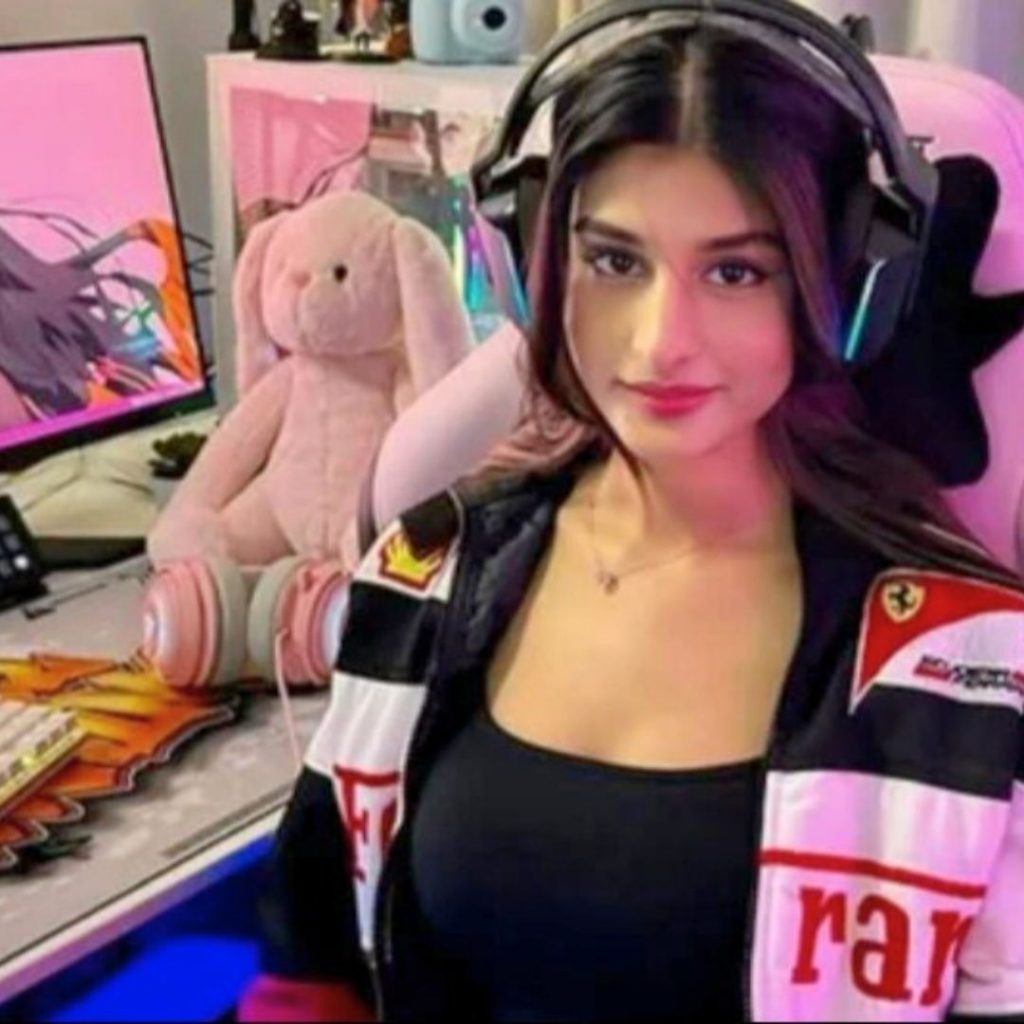
Who is Payal Gaming?
Payal Dhare, better known by her online alias Payal Gaming, is one of India’s pioneering female gaming content creators. With over 4.5 million subscribers on YouTube and a strong presence on Instagram and live-streaming platforms, she has built a loyal fanbase through her skillful gameplay in titles like BGMI (Battlegrounds Mobile India), PUBG Mobile, GTA V, and Valorant.
Beyond entertaining millions with clutch moments and humorous commentary, Payal has become a role model for aspiring gamers, particularly young women breaking into a traditionally male-dominated space. Her achievements include being invited to meet Prime Minister Narendra Modi as part of a delegation discussing the future of esports and gaming in India.
Her rise to fame, however, has also made her a target for online trolls and malicious actors—an unfortunate reality for many female creators.
How the Controversy Unfolded
The controversy erupted in early 2025, shortly after Payal travelled to Dubai in connection with the ICC Champions Trophy 2025 coverage and related brand collaborations. A short video clip began circulating on WhatsApp groups, Telegram channels, and social media platforms, falsely labelled as “Payal Gaming Dubai MMS” or similar sensational titles.
Within hours, the clip spread like wildfire. Many viewers, without verifying the content, shared it further, while others engaged in crude commentary and moral policing. The timing—right after her high-profile trip—only fuelled the rumours.
Fans who knew Payal’s appearance and mannerisms immediately raised doubts. Several pointed out clear visual and physical inconsistencies between the person in the video and Payal herself. Despite these early warnings, the damage was already spreading.
Payal Gaming’s Response: Dignified and Firm
Rather than staying silent, Payal chose to address the situation directly. She posted a detailed statement on her Instagram story and feed, making it clear that the video had nothing to do with her.
In her own words:
“The individual depicted in that video is not me, and it has no connection to my life, my choices, or my identity. Spreading or believing such content without verification is deeply hurtful.”
She expressed the emotional toll the incident had taken and urged her followers to stop sharing the material. Her response was widely praised for its maturity and strength, especially given the invasive nature of the attack.
Official Confirmation: An AI-Generated Deepfake
The Maharashtra Cyber Police swiftly took notice of the viral content. After a preliminary investigation, they confirmed what many supporters had suspected—the video was not authentic. It was a manipulated clip created using artificial intelligence tools, commonly known as a deepfake.
Authorities revealed that existing images and videos of Payal had likely been used to generate a realistic but entirely fabricated scene. The case was registered as an FIR under relevant sections of the IT Act and Bharatiya Nyaya Sanhita for spreading obscene material, defamation, and cyber harassment.
This official confirmation brought relief to Payal’s community, but it also highlighted a growing and alarming trend.
The Rising Threat of Deepfake Technology
Deepfake technology, powered by advanced AI and machine learning, can now create highly convincing fake audio and video content. While it has creative applications in filmmaking and entertainment, its misuse for malicious purposes has surged in recent years.
Female celebrities, influencers, and even ordinary citizens have become frequent targets. In India alone, several high-profile women—including actors, cricketers’ partners, and content creators—have faced similar AI-generated deepfake scandals in the past year.
What makes these incidents particularly dangerous is how quickly false content spreads before truth can catch up. A single misleading clip can ruin reputations, cause emotional trauma, and even lead to real-world threats.
Why Women Creators Are Disproportionately Targeted
Unfortunately, women in the public eye—especially those in gaming, entertainment, and sports—bear the brunt of such attacks. Misogyny, combined with the anonymity of the internet, creates a toxic environment where perpetrators feel emboldened to harass and humiliate.
For someone like Payal Gaming, who has worked hard to earn respect in a competitive industry, having her identity weaponized in this way is not just a personal violation—it undermines the progress women have made in digital and gaming spaces.
The Role of Platforms and Law Enforcement
Social media platforms have come under criticism for slow response times in removing harmful deepfake content. While many eventually took down the video after reports, the initial delay allowed widespread distribution.
On a positive note, Indian authorities have become more proactive. The swift action by Maharashtra Cyber Police in confirming the Payal Gaming AI-generated deepfake and initiating legal proceedings sends a strong message: creating and distributing such content will have consequences.
Legal experts suggest that stricter implementation of existing laws, along with new regulations specifically targeting deepfakes, will be crucial in the coming years.
A Message to Fans and the Online Community
Payal’s supporters played an important role throughout the controversy. Many actively debunked the video, reported fake accounts, and amplified her statement. This kind of community solidarity is essential in combating misinformation.
At the same time, it serves as a reminder to all internet users: pause before sharing sensational content. A moment of verification can prevent immense harm.
Moving Forward: Resilience and Awareness
Despite the ordeal, Payal Gaming has returned to creating content and engaging with her audience. Her resilience in the face of such a vicious attack has only strengthened the admiration her fans have for her.
This incident, painful as it was, has sparked broader conversations about digital ethics, women’s safety online, and the responsible use of AI. It is a stark reminder that technology is only as good—or as harmful—as the intent behind it.https://www.india.com/
As AI tools become more accessible, society must collectively demand better safeguards, stronger laws, and greater awareness to protect individuals from becoming victims of fabricated reality.
Payal Gaming’s experience may have begun with a malicious AI-generated deepfake. Still, it has ended with a powerful call for accountability, empathy, and change—one that we should all heed.https://theinfohatch.com/girija-oak-viral-photo-ai-morphed-deepfakes-2025/
4 thoughts on “The Payal Gaming AI-Generated Deepfake Controversy: A Wake-Up Call for Digital Safety”