

The ongoing conflict in the Middle East, involving the United States, Israel, and Iran, has created deep uncertainty across the globe. As of mid-March 2026, tensions show no signs of easing quickly. Attacks and counter-attacks continue, disrupting key shipping routes like the Strait of Hormuz. Oil prices have climbed sharply, often exceeding $100 per barrel, with warnings that prolonged fighting could push them to $135–$150 or more. For many countries, this means higher energy costs and inflation. For Nepal, the dangers go further.
Nepal depends heavily on money sent home by workers abroad. These remittances form a major part of our economy, supporting families, funding education and healthcare, and helping keep the country stable. Recent reports highlight a growing Nepal remittances risk if the war drags on. Workers in Gulf countries face safety concerns, job uncertainty, and the possibility of returning home. At the same time, soaring oil prices add pressure through higher living costs. The combined effect could slow growth, raise inflation, and strain household budgets.
Why Remittances Matter So Much to Nepal
Remittances are one of Nepal’s strongest economic pillars. In recent months, inflows have grown strongly. For example, during the first seven months of the fiscal year 2025/26, remittances reached over Rs 1,261 billion, up nearly 40% from the previous year. Monthly figures sometimes hit Rs 190–200 billion. This money helps balance our trade deficits and supports foreign reserves.
A large share comes from the Gulf region. Estimates from the Nepal Rastra Bank and other sources put the portion from Middle Eastern countries at around 40–41%, with some experts suggesting it could approach 50%. Saudi Arabia, Qatar, the United Arab Emirates, Kuwait, Oman, and Bahrain host the majority of Nepali migrant workers—over 1.7 million officially, many in construction, services, and hospitality.
These earnings cover daily needs for millions of families in Kathmandu, villages across the hills, and the Terai. Without them, poverty levels could rise, and economic activity would slow. When remittances flow steadily, they create demand for goods, services, and housing. A sudden drop would hurt shops, schools, hospitals, and banks.
The Direct Threat from the Gulf Conflict
The current war raises real fears for Nepali workers in the Gulf. Construction projects may stall, new hiring could freeze, and some jobs might disappear if host economies face slowdowns. Safety risks have already led to reports of injuries and deaths among migrant workers from South Asia, including Nepal. Evacuation efforts would strain resources, and many workers might hesitate to leave due to contract issues or fear of losing wages.
If the conflict lasts months, experts warn of reduced remittance flows. A 20–40% cut in Gulf inflows could mean billions less entering Nepal each year. This would widen our external deficits at a time when high energy prices already push costs up. Nepal Rastra Bank officials note that about Rs 2–2.5 billion arrives daily from the Gulf in normal times. Losing even part of that would create immediate pressure on families and the broader economy.
In my view, this vulnerability feels unfair. Hardworking Nepalis take tough jobs far from home to build better lives for their children. A distant war should not punish them or their families here. The government must prepare support plans, including faster skill training for alternative destinations and emergency aid for returning workers.
The Added Pain of Soaring Oil Prices
Oil shocks compound the problem. Nepal imports all its petroleum products, mainly through India. Global price surges reach our pumps quickly. Recent spikes have already pushed Brent crude above $100, with fears of $150 if the Strait of Hormuz stays disrupted.
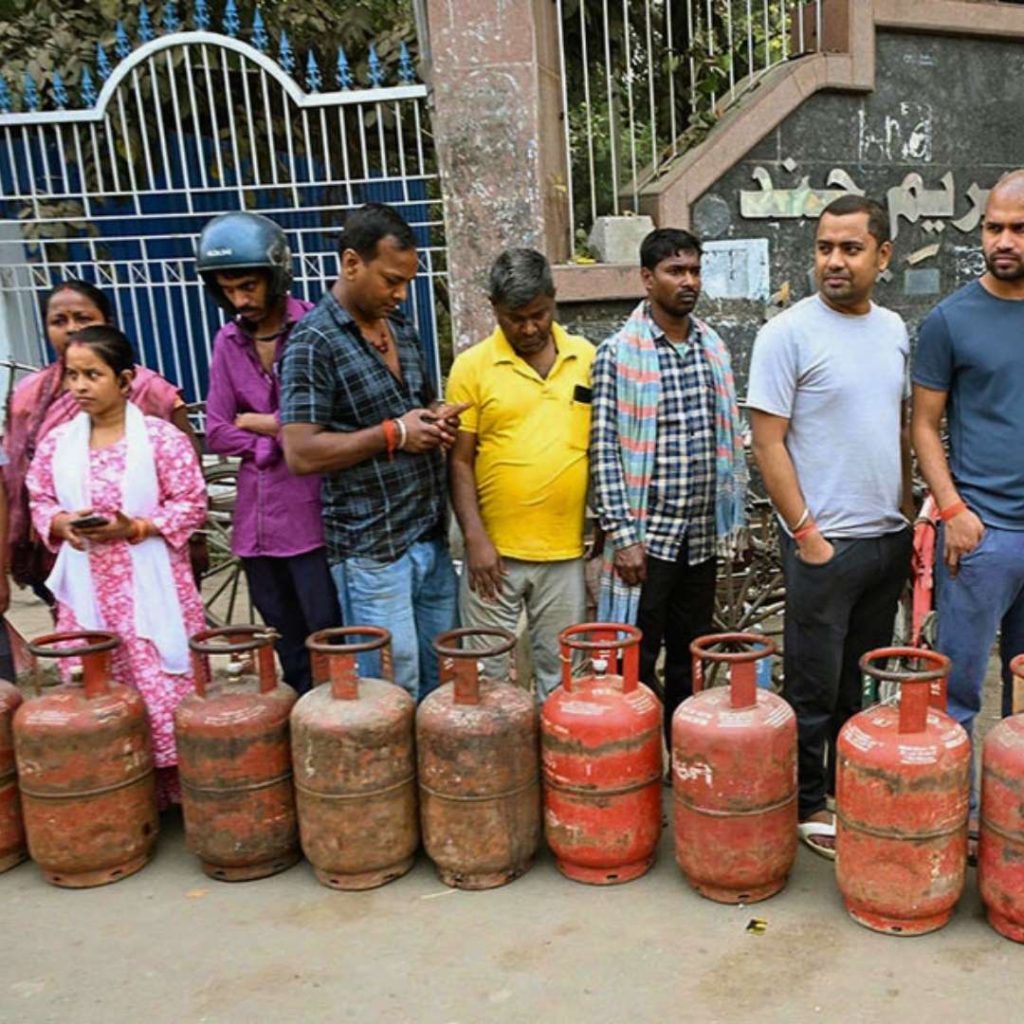
Higher fuel costs raise transportation charges first. Then food prices climb because farming relies on diesel for tractors and fertilizers. Cooking gas and kerosene have become more expensive for households. Inflation could jump, making everyday items harder to afford. Industries slow down, and jobs in transport or manufacturing face risks.
The Nepal Oil Corporation says supplies are stable for now and can use price stabilization funds temporarily. But prolonged high prices force increases, hitting low-income groups hardest. Combined with potential remittance drops, this creates a double blow—less income coming in and higher costs going out.
From my perspective as someone in Kathmandu, the anxiety is real. Fuel queues, rising grocery bills, and worries about family abroad make daily life tougher. We have faced shocks before—earthquakes, pandemics, blockades—but this feels different because it ties directly to our biggest income source.
Broader Economic Impacts and Vulnerabilities
The risks extend beyond households. Lower remittances weaken the current account and put pressure on foreign reserves, which have held steady but could face strain. Growth projections might fall, and poverty could increase if families cut spending. Tourism, already sensitive to regional instability, might suffer from higher flight costs or safety perceptions.
Nepal’s economy has grown more resilient through remittances since the 1990s, but over-reliance on one region exposes us. Diversification toward Europe, Malaysia, or domestic opportunities is slow. Hydropower exports, agriculture improvements, and tourism recovery could help long-term, but short-term buffers are needed.
The government and Nepal Rastra Bank monitor closely. Relief measures like subsidies, migrant funds, or job programs might emerge if needed. Community networks—family support, cooperatives—often step in during crises.
Steps Individuals and Families Can Take
While waiting for peace, preparation helps. Build stronger savings—aim for 9–12 months of essential expenses in safe accounts. Cut non-essential spending now to create a cushion. Diversify income through side work, freelancing, or local ventures. Stay connected with relatives abroad for updates and plans.
For those with Gulf ties, discuss contingency options early. Learn new skills for broader job markets. Home gardening or bulk buying basics can offset some price rises.
In my opinion, these steps build strength. Nepal has shown adaptability time and again. Community spirit, prudent planning, and advocacy for better policies can make a difference.
A Call for Peace and Preparedness
The conflict must end soon for everyone’s sake. Diplomatic efforts to de-escalate would ease oil markets and protect workers. Until then, awareness and action matter.The AI Safe Jobs in 2026: Best Courses to Avoid AI Automation
Nepal remittances risk is high if the war continues, but preparation and unity can soften the blow. Families, communities, and leaders must work together. Our economy depends on the hard work of migrants—let’s protect that lifeline as best we can.www.ratopati.com