

At The Info Hatch, we dive into the stories that ignite global conversations, sifting through rumors to deliver the truth. The Asia Cup 2025, co-hosted by the UAE and Sri Lanka, has been rocked by a controversy encapsulated in the keyword “Handshake snub”—a deliberate act by India’s cricket team during their high-stakes match against Pakistan on September 14, 2025, in Dubai. Reports suggest this snub, where Indian players skipped the traditional post-match handshake, has pushed the Pakistan Cricket Board (PCB) to threaten a dramatic exit from the tournament. Is Pakistan serious about quitting, or is this a calculated move amid geopolitical tensions? Let’s investigate the incident, evidence, and implications as of September 15, 2025.
The Match and the Handshake Snub: A Breach of Tradition
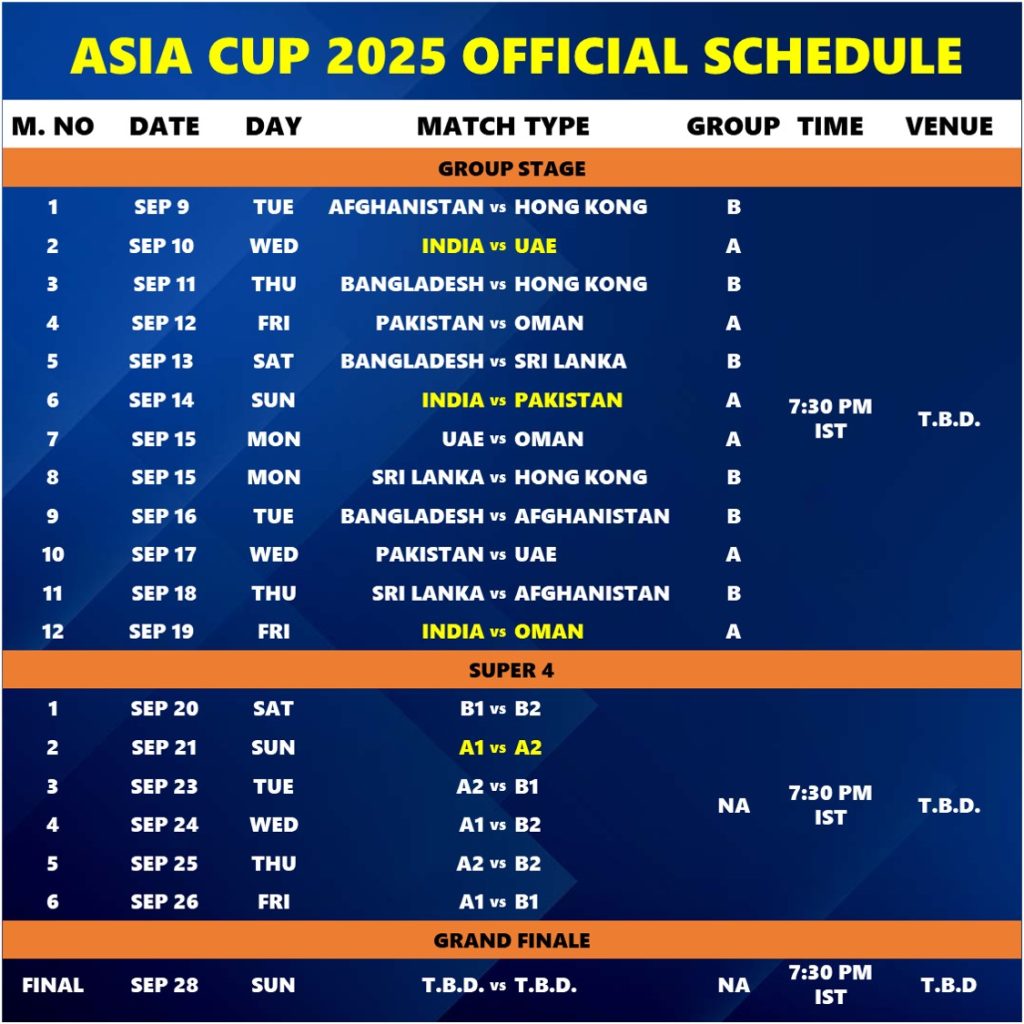
The India-Pakistan clash at Dubai International Cricket Stadium was the centerpiece of the Asia Cup 2025’s Group A stage. India, captained by Suryakumar Yadav, dominated, chasing Pakistan’s 127 runs in just 15.5 overs for a seven-wicket victory. But the scoreline was overshadowed by what happened next. Cricket thrives on its unwritten code of sportsmanship, with handshakes before the toss and after the match symbolizing respect. In a shocking move, India bypassed both, leaving Pakistani players standing awkwardly as the Indian team headed to their dressing room without a glance.
Video footage circulating online captures the handshake snub in stark detail: Pakistan’s captain, Salman Ali Agha, and his teammates waited near the Indian dugout, only to see the door shut by support staff. Agha, visibly upset, skipped the post-match presentation ceremony in protest, amplifying the fallout. Suryakumar later confirmed the handshake snub was intentional, backed by the Board of Control for Cricket in India (BCCI) and aligned with government directives. He tied it to the April 2025 Pahalgam terror attack, which killed civilians and escalated Indo-Pak tensions, stating, “Some issues outweigh sportsmanship.” This bold act in a neutral venue, meant to foster unity, has thrust the handshake snub into the global spotlight.

Pakistan’s Reaction: From Outrage to Threats of Withdrawal
The handshake snub stunned Pakistan’s camp. Head coach Mike Hesson expressed deep disappointment, noting his team was ready to uphold cricket’s traditions but felt disrespected by India’s actions. The PCB acted swiftly, filing a formal complaint with the Asian Cricket Council (ACC) on September 14, accusing India of violating the spirit of cricket and demanding an investigation. They also called out match referee Andy Pycroft for failing to intervene, arguing the handshake snub undermined the tournament’s integrity.
By September 15, the situation escalated. Reports emerged that Pakistan is threatening to quit the Asia Cup entirely if India faces no consequences for the handshake snub. Insiders claim the PCB, humiliated on a global stage, is considering a boycott to “uphold dignity.” Social media buzz and news reports suggest a PCB official was sacked for mishandling the crisis, fueling speculation about the seriousness of the threat. Former Pakistani players have weighed in, with one arguing that cricket shouldn’t be a platform for political grievances. PCB chief Mohsin Naqvi’s public calls for “fair play” stop short of confirming a withdrawal, but the handshake snub has clearly pushed tensions to a boiling point as Pakistan gears up for their next match against Sri Lanka on September 17 in Sharjah.
Investigating the Evidence: How Real Is the Threat?
Our investigation confirms the handshake snub was premeditated, with video evidence showing India skipping both pre-toss and post-match courtesies. The PCB’s protest is well-documented, seeking penalties like fines or points deductions under the ICC’s spirit of cricket clause. The claim that Pakistan might quit the tournament stems from insider leaks and amplified social media narratives. News outlets report PCB deliberations, but no official statement from Naqvi or the board commits to a full withdrawal, suggesting the threat is more a pressure tactic to force ACC action than an imminent decision.
The ACC is reviewing the complaint, with a decision expected soon. Online clips of the handshake snub, widely shared on platforms like YouTube, have sparked fan outrage, but they don’t confirm a definite exit plan. The PCB’s history of bold stances—such as disputes over the 2023 Asia Cup’s hybrid model—lends some weight to the threat, but practical concerns like sponsor backlash and ICC sanctions may deter a boycott. The handshake snub has undoubtedly inflamed emotions, but the leap to quitting remains speculative.
Geopolitical Roots: Cricket as a Diplomatic Flashpoint
The handshake snub isn’t an isolated incident—it’s rooted in strained India-Pakistan relations. The Pahalgam attack led to India’s ban on bilateral cricket, allowing only multilateral events like the Asia Cup. The BCCI’s decision to orchestrate the handshake snub reflects national sentiment, prioritizing political messaging over sport. For Pakistan, the public slight stings, especially in a neutral venue meant to bridge divides. The Asia Cup’s history of disputes, like the 2023 hosting row, shows how cricket often mirrors geopolitical fault lines.
Fan reactions are polarized. Indian supporters online defend the handshake snub as a bold stand, while Pakistani fans call it humiliating and back a potential exit. Global commentary frames the handshake snub as politics bleeding into sport, highlighting cricket’s role as a lightning rod in South Asia. The controversy also raises questions about the ACC’s ability to manage such tensions in a region where cricket is more than a game.https://www.sonyliv.com/sports/title-1790006570/cricket-asia-cup-2025-1090489237?watch=true
What’s at Stake: Implications for the Asia Cup and Beyond
If Pakistan follows through on the threat to quit over the handshake snub, the Asia Cup could face chaos—reshuffled schedules, forfeited points, or India advancing by default. Sponsors and broadcasters would take a financial hit, and the ACC’s credibility could falter. A withdrawal might also cast a shadow over future events, like the 2026 T20 World Cup co-hosted by India and Sri Lanka, where Pakistan’s participation is already uncertain. Conversely, if the ACC penalizes India for the handshake snub, it risks alienating a cricketing powerhouse, complicating regional dynamics.https://theinfohatch.com/operation-pakistan-mission-accomplished-by-india/
The handshake snub underscores a broader challenge: can cricket remain apolitical in a volatile region? The Asia Cup, meant to unite Asian nations, now risks being defined by division. The PCB’s threat to quit, while not yet confirmed, reflects the deep wounds inflicted by the handshake snub on and off the field.
The Info Hatch Verdict: Threat Real, Outcome Uncertain
Our investigation finds the handshake snub to be a deliberate act that has fueled Pakistan’s threat to quit the Asia Cup 2025. The PCB’s protest and insider reports lend credibility to the claim, but a full withdrawal remains unconfirmed—likely a strategic move to pressure the ACC. The handshake snub has ignited a firestorm, but whether it leads to Pakistan’s exit is still unfolding. At The Info Hatch, we urge readers to stay skeptical of unverified claims and follow official updates. Have a tip or footage on the handshake snub? Reach out at theinfohatch.com—we’re here to keep digging into the stories that matter.