
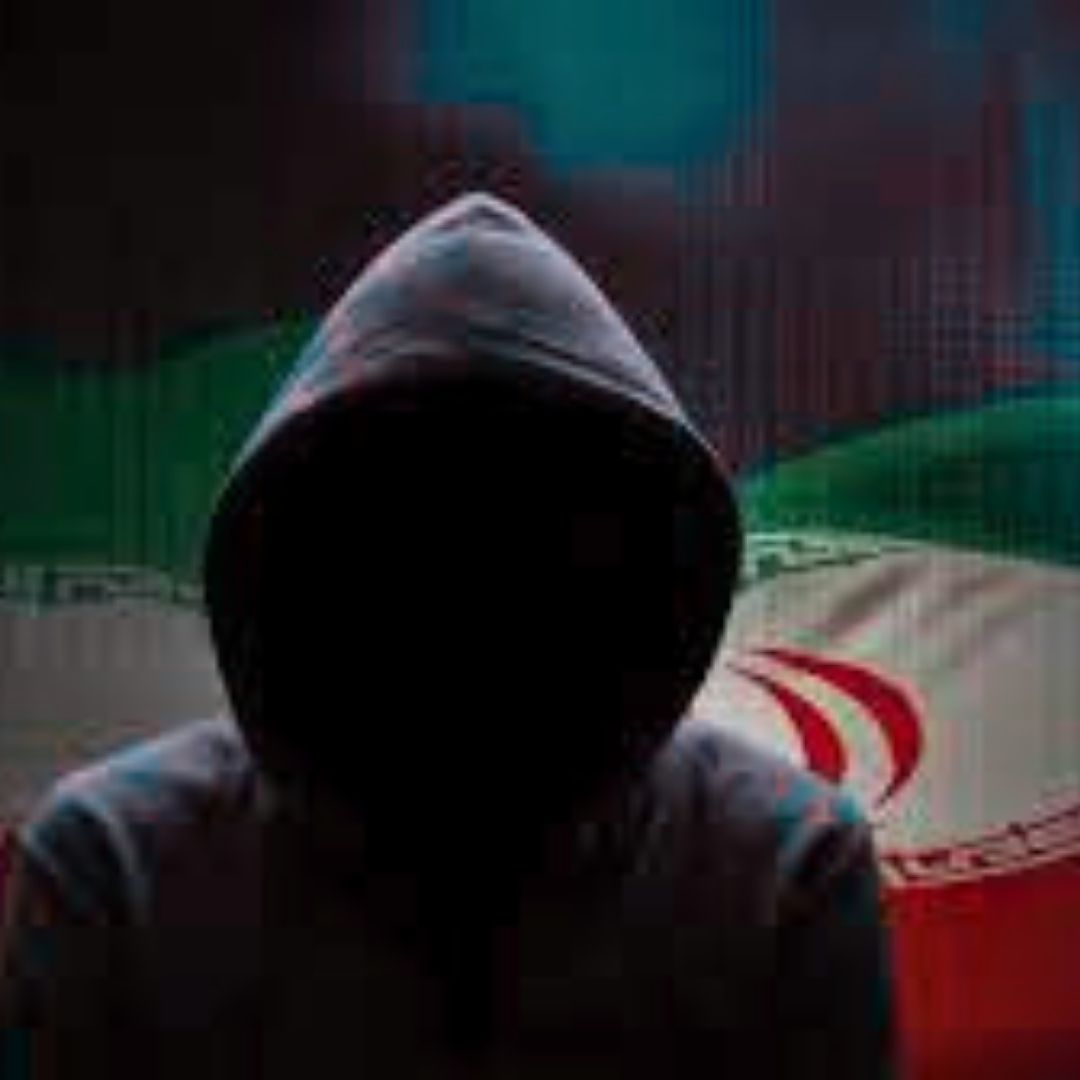
In today’s hybrid warfare landscape, where geopolitical tensions spill into cyberspace, certain actors have gained rapid prominence. Handala, a pro-Palestinian hacktivist collective with documented ties to Iranian interests, has emerged as a key player in retaliatory digital operations. As U.S.-Israel strikes on Iran intensify in early 2026, this group has claimed high-profile disruptions, drawing attention from cybersecurity experts and global media alike.
The surge in Iran-aligned cyber activity highlights how hacktivists serve as extensions of state objectives, blending ideological messaging with destructive tactics. Understanding Handala’s role provides critical insights for organizations facing elevated risks in critical sectors like healthcare, defense, and energy.
Origins and Affiliations of Handala
Handala first appeared publicly in late 2023, adopting the name of the iconic Palestinian cartoon character symbolizing steadfast resistance. Analysts from firms like Check Point, Unit 42 (Palo Alto Networks), and Sophos link the persona to Iran’s Ministry of Intelligence and Security (MOIS), often under aliases like Handala Hack Team or Void Manticore.
This connection positions Handala as more than a typical hacktivist outfit—it’s viewed as a state-affiliated persona blending hack-and-leak operations with psychological impact. The group leverages platforms like Telegram, X (formerly Twitter), and dedicated leak sites to broadcast claims, share stolen data, and issue threats.
Its emergence coincided with heightened Middle East conflicts, evolving from opportunistic attacks on Israeli targets to broader campaigns against perceived adversaries. Recent operations demonstrate adaptability, including the use of satellite connectivity during Iran’s internet restrictions, ensuring persistent activity.
Operational Tactics and Methods
Handala employs a versatile toolkit focused on disruption, exfiltration, and propaganda. Common techniques include:
- Sophisticated phishing campaigns often impersonate trusted alerts (e.g., mimicking security vendors like CrowdStrike).
- Exploitation of misconfigurations, weak credentials, and supply-chain vulnerabilities for initial access.
- Deployment of custom wiper malware targeting Windows and Linux environments to erase data permanently.
- Hack-and-leak strategies, where stolen information is publicized to maximize reputational damage.
- Ideological messaging in claims frames actions as retaliation for military or cyber aggressions.
The group coordinates with other aligned actors, amplifying reach through shared tools like DDoS botnets or infostealers (e.g., Rhadamanthys). While some claims appear inflated, verified impacts include website defacements, data leaks, and destructive wipes on critical infrastructure.
This hybrid approach—combining low-barrier tactics with advanced payloads—creates both immediate chaos and long-term deterrence.
The High-Profile Attack on Stryker Corporation
In March 2026, Handala claimed responsibility for a major incident against Stryker Corporation, a leading U.S. medical technology firm specializing in surgical equipment, implants, and hospital systems.
The attack caused global network disruptions starting around March 11, affecting Microsoft environments, employee laptops, mobile devices, and business applications across dozens of countries. Reports describe wiper malware erasing data from hundreds of thousands of endpoints, with login pages displaying the group’s logo.
Handala described the operation as “complete success,” alleging the extraction of 50 terabytes of sensitive data and destruction across over 200,000 systems. They framed it as direct retaliation for U.S.-Israeli strikes, specifically citing a reported bombing of a school in Minab, Iran, that caused significant civilian casualties.
Stryker confirmed widespread outages, forcing manual processes and sending employees home in key locations like Ireland. No ransomware was detected, aligning with the destructive (rather than extortion-focused) nature typical of such operations.
Cybersecurity researchers note this as one of the first prominent Iran-linked attacks on a major U.S. company since the conflict’s escalation, signaling potential for broader targeting of healthcare and critical infrastructure.
Why Handala Stands Out Among Hacktivists
Several factors distinguish Handala in the crowded hacktivist space:
- State-level sophistication masked by hacktivist branding, providing plausible deniability.
- Focus on psychological warfare: Threats extend to individuals (e.g., leaked addresses and bounties), blurring cyber and physical domains.
- Timing aligned with geopolitical events, maximizing propaganda value.
- Persistence despite Iran’s connectivity challenges indicates a robust external infrastructure.
Compared to purely independent groups, Handala‘s operations show coordination with broader Iran-aligned efforts, including overlaps with actors like MuddyWater. This convergence raises concerns about escalating hybrid threats.
Implications for Global Cybersecurity
The group’s activity has triggered alerts from U.S. agencies like CISA, FBI, and DHS, warning of retaliatory risks to finance, energy, defense contractors, and healthcare. With dozens of pro-Iran hacktivist collectives active (some collaborating with pro-Russian ones), the threat surface has expanded.
Organizations should prioritize:
- Enhanced endpoint detection against wipers and destructive malware.
- Robust phishing defenses and multi-factor authentication.
- Network segmentation and offline backups for rapid recovery.
- Monitoring for supply-chain compromises and credential abuse.
The Stryker incident underscores cascading effects in interconnected sectors—disruptions in medical tech can impact hospitals and patient care worldwide.
Looking Ahead: The Evolving Threat Landscape
As regional conflicts persist, expect Handala and similar actors to refine tactics, potentially shifting toward more stealthy espionage or supply-chain attacks. The blend of hacktivism with state capabilities complicates attribution and response.
Defenders must treat these threats as persistent, adapting through threat intelligence sharing and resilience planning. While major nation-state campaigns remain limited by Iran’s infrastructure issues, proxy and hacktivist surges fill the gap, keeping cyber risks elevated.
Final Thoughts
Handala exemplifies how digital actors amplify geopolitical friction, turning online operations into tools of influence and disruption. For businesses and governments, awareness of such groups is essential to proactive defense.https://www.mlive.com/
By staying informed on emerging campaigns and investing in layered security, entities can mitigate risks in this volatile environment. The cyber domain remains an active front—vigilance and preparation are key to enduring ongoing challenges. Geopolitical Impact on Gold Prices: Safe-Haven Buying Amid Global Tensions in 2026
1 thought on “The Handala Threat: Escalating Cyber Retaliation Amid US-Israel Strikes on Iran”