
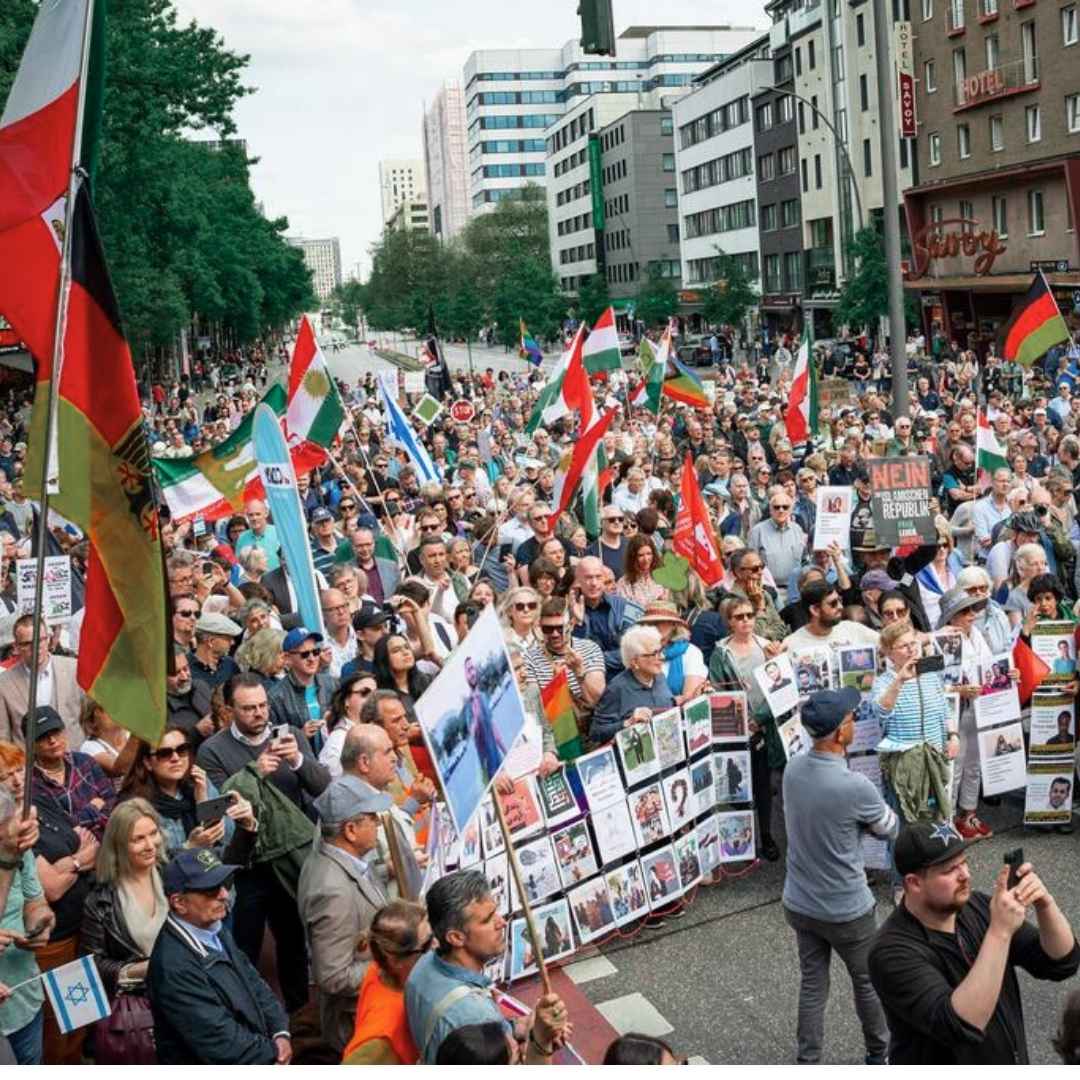
For years, disturbing scenes have played out in German cities. Islamist groups marched openly, chanting for a caliphate, displaying Sharia banners, and harassing ordinary citizens. They mocked police and acted as if Germany’s tolerance meant complete surrender. Many believed the country had given in to their demands. But recent events show a clear change. Germany is now pushing back firmly against these radical elements.
The Wake-Up Call
The illusion of control began to crack in 2025. Islamist activists, especially those targeting young people through social media, organized large rallies in places like Hamburg. They shouted slogans like “Caliphate is the solution” and rejected German democracy. These provocations finally crossed a line. Authorities responded with strong measures that sent a clear message: such behavior will no longer be tolerated.

In November 2025, the German government banned the group Muslim Interaktiv. This organization had been active in spreading radical ideas among youth. Raids followed, and linked networks faced similar action. Interior Minister Alexander Dobrindt made it clear that Germany would use the full power of the law against calls for Islamic law, antisemitism, and attacks on women’s rights or minorities. This move marked an important step in Germany pushback against Islam that refuses to respect the country’s values.
Failed Integration Policies
These problems did not appear overnight. Since the 2015 migrant crisis, Germany has struggled with integration. Open policies without strong requirements for assimilation led to parallel societies in some areas. Crime rates rose in certain communities, welfare costs increased, and security threats grew. Terror attacks and knife incidents linked to radicalized individuals added to public frustration.
Many Germans watched as extremists tested the limits. Some demanded special treatment and built influence through demographics and activism. Studies and reports showed that segments of the Muslim population, particularly younger people from unintegrated backgrounds, held views supporting Sharia over German law. This reality fueled growing concern across society.
Political Changes and Public Anger

The response has been visible at the political level. The Alternative for Germany (AfD) party has seen strong support in recent polls. With numbers reaching around 27-29 percent nationally and even higher in eastern states, the party reflects widespread dissatisfaction. Many voters, including younger ones, are tired of chaos and cultural erosion. They want strict border controls, faster deportations of criminals, and clear rules that newcomers must adapt to German society.
Even mainstream parties have started to tighten policies. Border checks have increased, deportations are speeding up, and public discussions on integration have become more honest. This shift represents ordinary citizens taking a stand. Germany reclaiming streets from Islamists is no longer talk — it is happening through laws, policing, and changing attitudes.
Signs of a Stronger Response
Streets that once saw unchallenged marches now face firmer opposition. Police actions and public pushback are more common. The recent ban on radical groups shows authorities are willing to act. This is not about targeting all Muslims. Most live peacefully and contribute to society. The focus remains on the radical minority that rejects democracy and promotes division.
Germany pushback against Islam that threatens freedom is part of a wider European trend. The European Parliament recently acknowledged Christianophobia and the global persecution of Christians. This highlights the need for balanced protection of religious freedom and cultural identity.
Challenges That Remain
Despite progress, problems persist. Demographic changes, ongoing irregular migration, and deep-rooted networks require sustained effort. Legal limits, court cases, and political divisions can slow down change. True success depends on consistent enforcement, better integration programs, and reduced low-skilled immigration.
Germany must also rediscover confidence in its own culture and history. For too long, guilt from the past held back necessary discussions. Now, citizens are showing they value their way of life and will defend it.
Hope for the Future
This moment brings hope. The harsh reality check for those who thought they could impose their rules is clear: Germany will not submit. People are reclaiming their streets, borders, and identity. Political movements that speak to these concerns are growing because they address real failures of the past.
The era of unlimited tolerance without reciprocity is ending. By enforcing laws equally, demanding assimilation, and prioritizing national cohesion, Germany can recover. This is not hatred — it is common sense and self-preservation.Muslim Thugs Rioting in Paris After Champions League Final
A stronger, more confident Germany is emerging. One that protects its freedoms and stands firm against extremism. The world is watching this important shift. With continued determination, the country can show that integration works when both sides respect clear boundaries.www.ndtv.com