
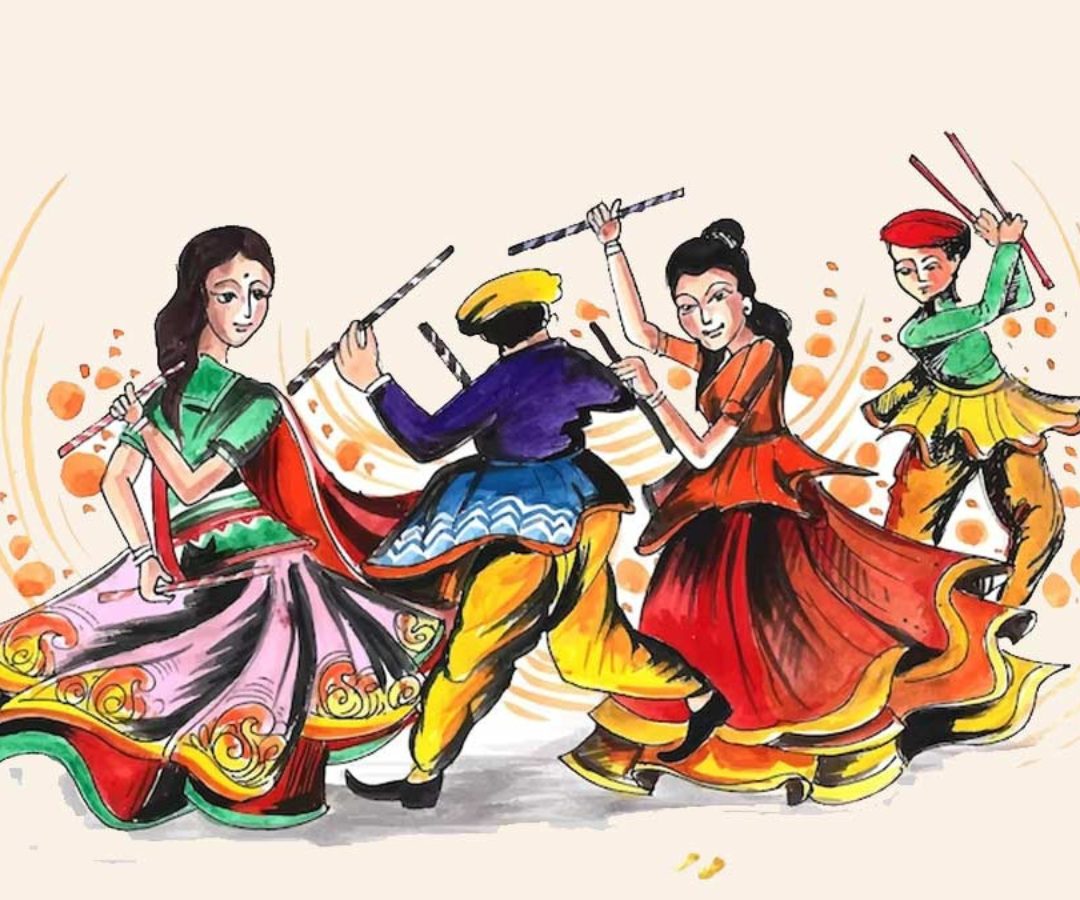
Garba Night is more than just a cultural event; it’s a vibrant explosion of music, dance, and unity that brings people together in a whirlwind of color and rhythm. Rooted in the Indian state of Gujarat, Garba Night is a highlight of the Navratri festival, a nine-night celebration dedicated to the Hindu goddess Durga. This blog dives deep into the essence of Garba Night, exploring its history, significance, traditions, and global appeal, offering a comprehensive look at why this festive gathering captivates hearts worldwide.
The Origins of Garba Night
Garba Night derives its name from the traditional Gujarati folk dance called Garba, which is performed during Navratri, a festival typically held in September or October. The word “Garba” comes from the Sanskrit term Garbha, meaning womb, symbolizing life, creation, and the divine feminine energy of Goddess Durga. The dance is traditionally performed in a circular formation around a central lamp or an idol of the goddess, representing the cycle of life and devotion.
Historically, Garba was a community-based dance performed by women to express gratitude and devotion to Durga, who symbolizes strength and the triumph of good over evil. Over time, Garba Night evolved into a grand event that includes both Garba and Dandiya (a related stick dance), welcoming people of all genders, ages, and backgrounds to participate in the festivities. Today, Garba Night is not just a religious ritual but a cultural phenomenon that fosters community spirit and celebrates Gujarati heritage.
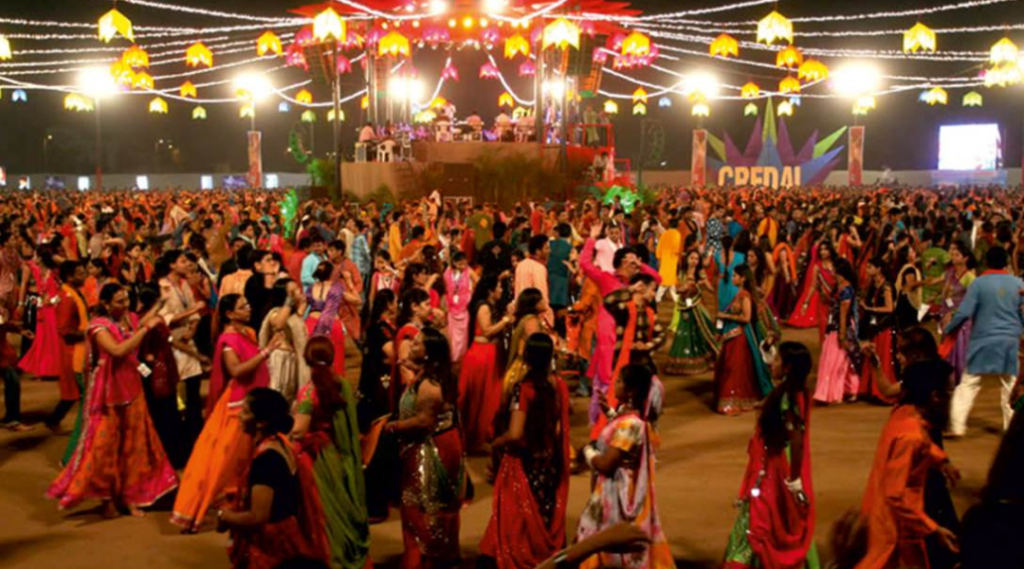
What Happens at a Garba Night?
A Garba Night is a sensory delight, characterized by rhythmic music, vibrant costumes, and energetic dance moves. Here’s a glimpse into what makes these nights unforgettable:
1. The Dance: Garba and Dandiya
The centerpiece of Garba Night is the dance itself. Garba involves graceful, circular movements where participants clap and step in sync with the music, often forming concentric circles that move in opposite directions. The dance starts slow but picks up tempo as the night progresses, creating an electrifying atmosphere.
Dandiya, often performed later in the evening, involves pairs of dancers using small wooden sticks (dandiyas) to strike each other’s sticks in rhythmic patterns. This dance is more structured and requires coordination, adding a playful and competitive element to Garba Night. Both dances are accompanied by live music or pre-recorded tracks, with traditional instruments like the dhol (drum), tabla, and harmonium blending with modern beats.
2. Traditional Attire
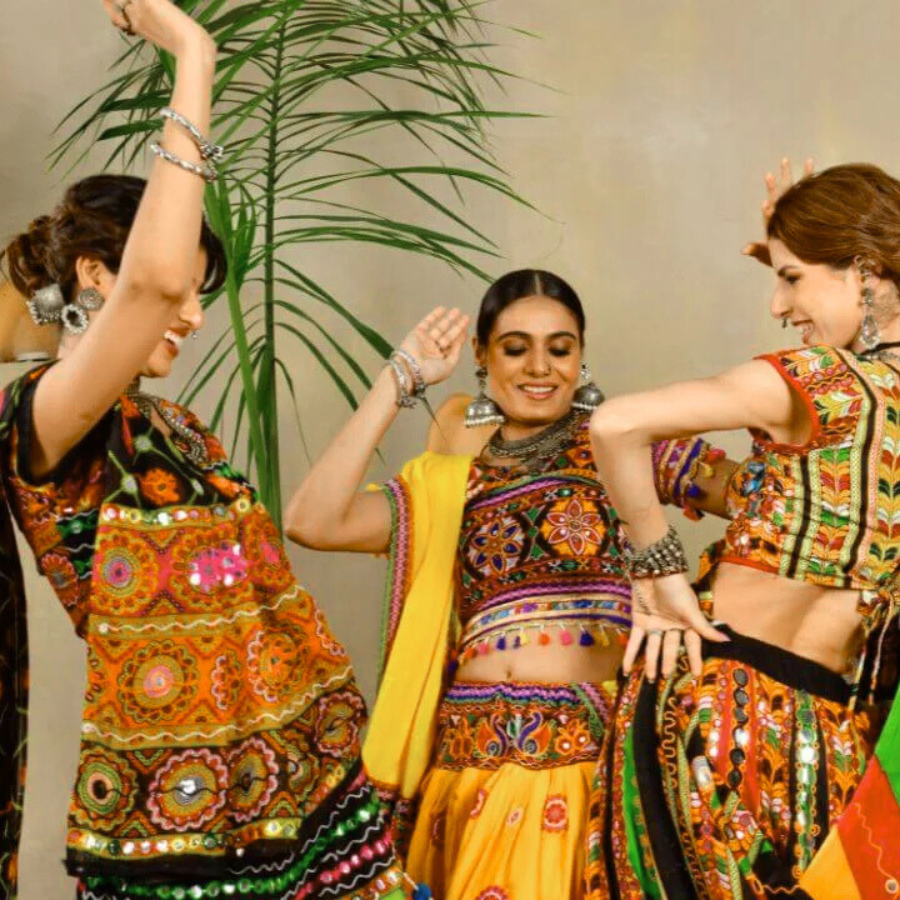
No Garba Night is complete without the dazzling array of traditional outfits. Women typically wear chaniya choli, a three-piece ensemble consisting of a flared skirt (chaniya), a blouse (choli), and a dupatta (scarf), often adorned with intricate embroidery, mirror work, and vibrant colors. Men opt for kurta-pajama or kediyu, a traditional Gujarati tunic, paired with accessories like turbans or bandanas. These outfits not only enhance the visual appeal of Garba Night but also reflect the rich craftsmanship of Gujarat.
3. Music and Songs
The music of Garba Night is the heartbeat of the event. Traditional Garba songs, known as garbiyo, are devotional in nature, praising Goddess Durga and narrating mythological stories. Modern Garba Nights often feature a mix of folk and contemporary music, with DJs remixing traditional tunes with Bollywood hits or electronic beats to keep the energy high. Live bands, complete with singers and percussionists, are a staple at larger Garba Night events, creating an immersive experience for dancers.
4. Community and Celebration
Garba Night is a social affair, bringing together families, friends, and even strangers in a shared celebration. It’s common to see entire communities—spanning generations—dancing together, laughing, and bonding. In many regions, Garba Night also serves as a platform for matchmaking, where young people meet and connect in a festive setting. The inclusivity of Garba Night makes it a unique cultural event that transcends age, gender, and social barriers.
The Cultural and Spiritual Significance of Garba Night
At its core, Garba Night is a celebration of devotion to Goddess Durga, who is worshipped during Navratri for her victory over the demon Mahishasura. Each night of Navratri is dedicated to a different form of the goddess, and Garba Night serves as a way to honor her divine energy through dance and music. The circular movements of Garba symbolize the cyclical nature of life—birth, death, and rebirth—while the central lamp or idol represents the divine presence that guides this cycle.
Beyond its spiritual roots, Garba Night is a testament to the strength of community and cultural identity. For Gujaratis, it’s a way to preserve and share their heritage, especially in the diaspora. For non-Gujaratis, Garba Night offers a window into Indian culture, inviting participation and fostering cross-cultural understanding. The event’s emphasis on inclusivity and joy makes it a universal celebration of life and togetherness.
Garba Night Around the World
While Garba Night originated in Gujarat, its popularity has spread far beyond India’s borders. Today, Garba Night events are held in cities across the globe, from London and New York to Sydney and Dubai, particularly in areas with large Indian diaspora communities. Universities, cultural organizations, and community centers often host Garba Night during Navratri, attracting diverse crowds eager to experience the dance and festivities.https://theinfohatch.com/dashain-2025-nepal-grand-festival-in-the-shadow/
In India, cities like Ahmedabad, Surat, and Vadodara are renowned for hosting some of the largest and most spectacular Garba Night events. For example, the United Way of Baroda’s Garba festival in Vadodara is a massive event that draws thousands of participants, featuring top performers, elaborate decorations, and non-stop dancing. In Mumbai, Garba Night events are often star-studded, with Bollywood celebrities making appearances to join the festivities.
Globally, Garba Night has become a cultural ambassador for India. In the United States, universities like Rutgers and NYU host annual Garba Night events, where students of all backgrounds come together to dance and celebrate. In the UK, London’s Garba Night events are known for their vibrant energy, often held in large venues with professional dance troupes and live music.
How to Prepare for Your First Garba Night
If you’re new to Garba Night, the experience can feel overwhelming but exhilarating. Here are some tips to make the most of it:
- Learn the Basics: Garba and Dandiya have simple steps that you can learn through online tutorials or classes. Many Garba Night events also offer beginner sessions before the main event starts.
- Dress the Part: Invest in or rent a traditional outfit to fully immerse yourself in the experience. Comfortable footwear is key, as you’ll be dancing for hours!
- Bring Your Energy: Garba Night is all about enthusiasm. Don’t worry about perfecting the steps—just follow the rhythm and enjoy the vibe.
- Respect the Culture: While Garba Night is inclusive, it’s rooted in devotion and tradition. Be mindful of the event’s spiritual significance and follow any guidelines set by organizers.
- Stay Hydrated and Safe: Garba Night can be physically demanding, so drink plenty of water and take breaks when needed. If attending a large event, keep an eye on your belongings and stay with your group.
The Modern Evolution of Garba Night
In recent years, Garba Night has evolved to incorporate modern elements while staying true to its roots. Technology has played a big role, with event organizers using social media to promote Garba Night and live-stream performances for global audiences. Bollywood’s influence is undeniable, with popular Garba-inspired songs like Nagada Sang Dhol from Goliyon Ki Raasleela Ram-Leela becoming staples at Garba Night events.
The rise of fusion music has also transformed Garba Night, blending traditional folk tunes with EDM, pop, and hip-hop beats. This has made the event more appealing to younger generations while preserving its cultural essence. Additionally, Garba Night has become a platform for showcasing talent, with dance competitions and performances by professional troupes adding a competitive edge to the festivities.http://www.timesofindia.com
Why Garba Night Matters
Garba Night is more than just a dance event; it’s a celebration of life, culture, and community. It brings people together in a shared expression of joy, devotion, and creativity, transcending geographical and cultural boundaries. Whether you’re a seasoned dancer or a first-timer, Garba Night offers an opportunity to connect with others, celebrate heritage, and lose yourself in the rhythm of the music.
As Navratri approaches, Garba Night events will light up cities and communities worldwide, inviting everyone to join the circle of dance and devotion. So, put on your chaniya choli or kurta, grab a pair of dandiyas, and step into the vibrant world of Garba Night—a celebration that truly embodies the spirit of togetherness and festivity.