
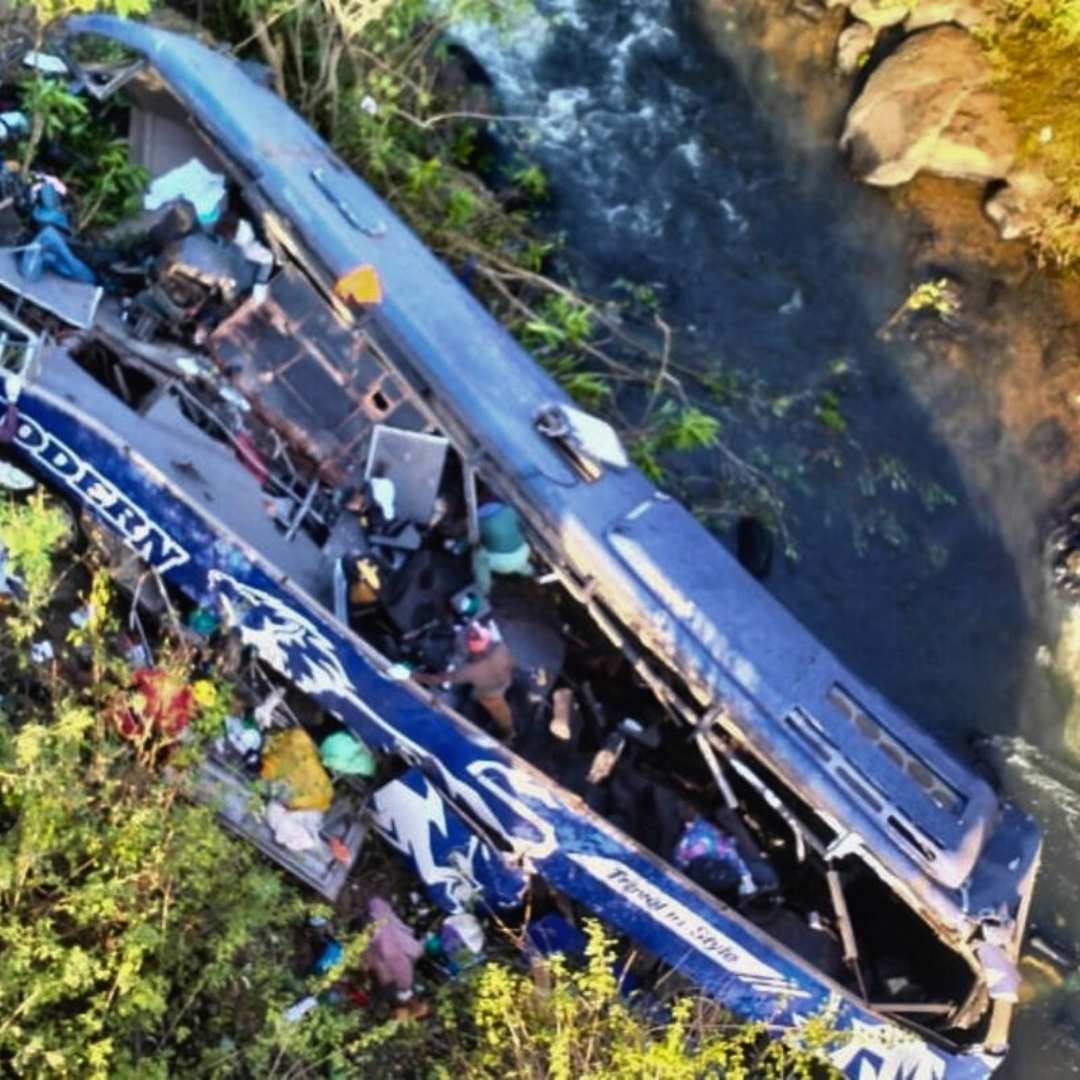
A devastating road accident shook Nepal early this morning. A passenger bus heading from Pokhara to Kathmandu fell into the Trishuli River in Dhading district. The Dhading bus accident has left families heartbroken and once again brought attention to road safety issues across the country.
When and Where It Happened
The incident took place between 1:15 AM and 1:30 AM on February 23, 2026. The bus lost control on the Prithvi Highway near Charaundi, also known as Chinadhara or Bhaisigauda area. This spot falls under Benighat Rorang Rural Municipality, ward 3 or 5, around 90 kilometers west of Kathmandu. The vehicle veered off the narrow road, rolled down a steep slope of nearly 300 meters, and ended up near or partly in the Trishuli River.
The Prithvi Highway connects the capital with western Nepal and carries heavy traffic day and night. This section has sharp bends, steep drops on one side, and the river running below. Nighttime travel makes conditions even more dangerous due to low visibility and tired drivers.
Number of People on Board
The bus was carrying between 35 and 45 passengers, including the driver, conductor, and other staff. Exact numbers vary slightly in early reports because rescue teams were still confirming identities. Many passengers were returning home after trips, work, or visits, hoping for a safe overnight journey.
Casualties Reported So Far
Sadly, 18 people died in the Dhading bus accident. The victims included men, women, and at least one foreigner. Some news sources mentioned a New Zealander among the deceased, while others referred to two foreign nationals (one man and one woman). The loss of life has deeply affected communities in Pokhara, Kathmandu, and surrounding districts.
Around 24 to 27 passengers survived but were injured. Some suffered serious injuries from the fall and impact. Local health posts provided immediate first aid, and most injured people were quickly moved to hospitals in Kathmandu for advanced treatment. One foreign national remained under care at a local facility. Medical teams worked through the early hours to save as many lives as possible.
Rescue Operation in Darkness
Rescue efforts began right after locals reported the crash. Teams from the Nepal Army, Armed Police Force, Nepal Police, and nearby villagers rushed to the site. They used ropes, lights, and stretchers to reach the wreckage below the highway. The operation continued until morning, with teams carefully pulling bodies from the river and broken bus parts. Injured survivors were carried up the slope and taken to safety in ambulances.
The difficult terrain and darkness made the work slow and risky. Rescue workers showed great courage in harsh conditions to help those trapped.
What Might Have Caused the Crash
Police and traffic officials have started an investigation. No final cause has been announced yet, but early information points to possible overspeeding. Other factors being looked at include driver fatigue after a long journey, poor road conditions at that curve, mechanical problems with the bus, or sudden obstacles on the road. The Prithvi Highway has seen many similar accidents over the years because of its challenging layout and high traffic volume.
Officials are checking the bus’s documents, the driver’s license, and any available CCTV footage from nearby areas. A detailed report will come after the technical examination and witness statements.
Response from Authorities and Public
Government leaders expressed deep sadness over the tragedy. The District Administration Office in Dhading is working with hospitals, police, and transport offices to support the families. Helplines have been set up so relatives can get updates about their loved ones.
Many people took to social media to share condolences and offer help. Communities in Dhading and nearby districts are collecting donations for the injured and families of the deceased. This shows the strong sense of unity Nepalis show during difficult times.
Why Road Accidents Remain a Concern in Nepal
Nepal loses hundreds of lives every year to road crashes. Highways like the Prithvi route are vital for travel and trade, but they have narrow lanes, sharp turns, steep hills, and rivers running alongside. Heavy rain, fog, landslides, and overloaded vehicles add more risks. Night driving is especially dangerous because of limited lighting and tired drivers.
Experts say better road design, regular maintenance, stricter speed checks, and driver training can save lives. Many vehicles also need better safety features like seatbelts and airbags. Passengers can help by choosing licensed buses, avoiding overcrowded ones, and reminding drivers to follow rules.
After tragedies like the Dhading bus accident, people often demand stronger action from the government. Calls grow for more guardrails, warning signs, speed cameras, and emergency response teams along risky stretches.
Looking Ahead
This morning’s accident is a painful reminder that road safety must remain a top priority. Every life lost leaves behind grieving families, broken dreams, and communities in mourning. Quick rescue efforts saved several lives, showing that preparedness can make a difference.
As the investigation moves forward, authorities will share more details. For now, the focus is on supporting the injured and helping families cope with their loss. Let us all remember to drive carefully, respect speed limits, and stay alert on the roads.Balen vs KP Oli: Why Jhapa-5 Is the Epicenter of Nepal’s 2026 Elections
Our thoughts are with everyone affected by this deadly bus accident. May the departed rest in peace, and may the injured recover soon. Road safety is a shared responsibility—small changes in behavior can prevent big tragedies in the future.
Stay informed through trusted news channels and official statements. Let’s hope for safer journeys for all Nepalis.https://www.mlive.com/