

In May 2026, two men died in Dublin within days of each other. The way society and the media responded to these tragedies has raised serious questions about fairness. Many people now openly discuss two-tier mourning in Europe, where some victims receive intense national attention while others are remembered more quietly.
The Death of Yves Sakila
On May 15, 35-year-old Yves Sakila, originally from Congo, died after being restrained by private security guards outside Arnotts department store on Henry Street. He had allegedly shoplifted perfume. Video footage showed him being held down on the ground for several minutes. He later became unresponsive and passed away in the hospital.
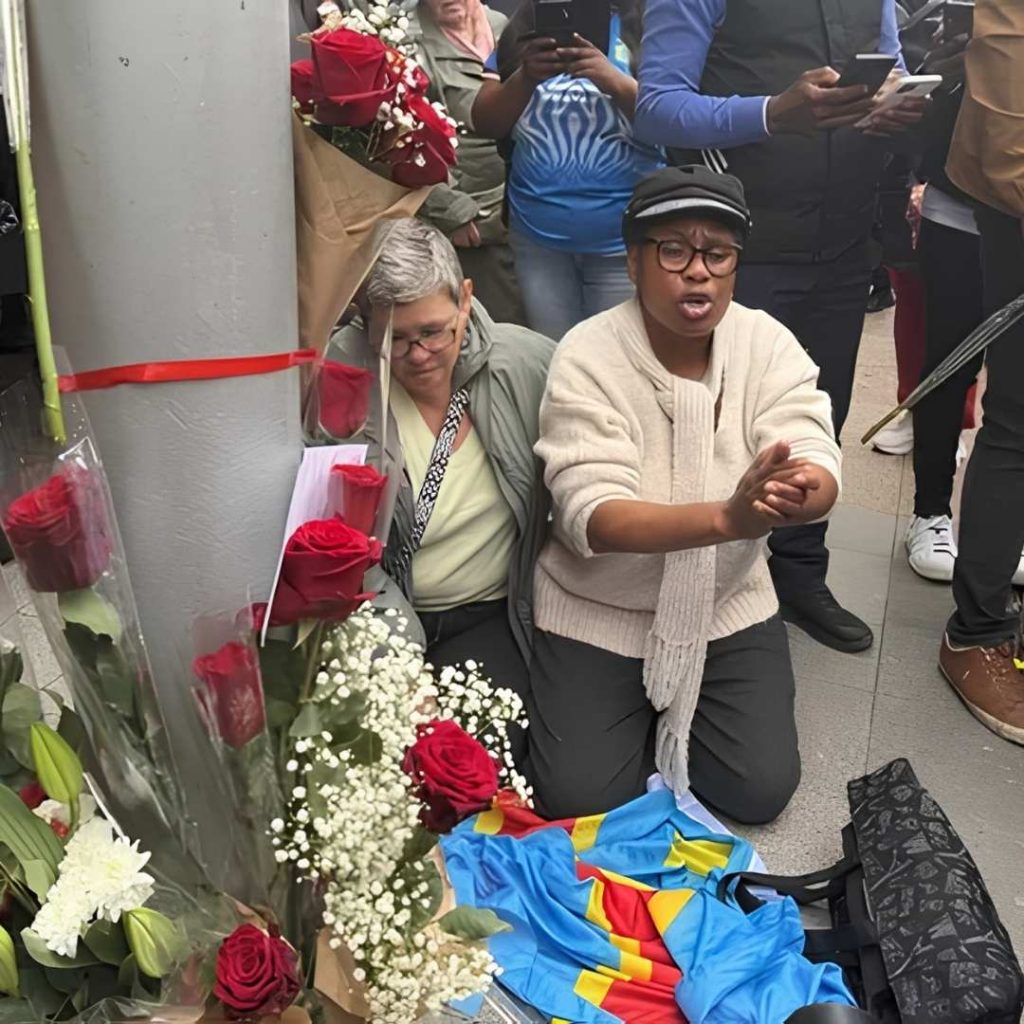
The reaction was fast and loud. Protests were held outside the Irish Parliament. Vigils took place across the city. Activists and several media outlets quickly compared the incident to the death of George Floyd in America. The story was framed around race and claims of excessive force. Many called for an independent inquiry. Sakila had lived in Ireland for over twenty years.
The Killing of Alexander Coughlan
Just two days later, on May 17, a different tragedy unfolded. Thirty-seven-year-old Alexander Coughlan was brutally assaulted and robbed on Mill Road in Blanchardstown. He was beaten badly and left unconscious. Alex fought for his life in the hospital but sadly died on May 20. Two teenage boys were later charged in connection with the attack.
Gardaí asked the public not to share video footage of the incident, citing respect for the family and the ongoing court case. Alex was remembered by friends and family as a kind and selfless man. He even donated his organs after his death. A community fundraiser was organised, and many local people paid tribute to him. However, there were no large protests at Parliament and far less national outrage.
The Stark Contrast
The difference in response is clear. One death sparked widespread protests and intense media coverage focused on racism. The other was treated mainly as a local crime story. This has led many to use the phrase Black Lives Matter but Irish lives don’t matter when discussing how these cases were handled.
This is not the first time such differences have appeared. Across Europe, similar patterns have been noticed. When a migrant dies in a controversial situation, it often becomes a major national issue. When a native citizen is killed in a violent attack, the coverage is usually more restrained. This approach has created growing frustration among local communities.
Two-Tier Mourning in Europe
Ireland has experienced rapid changes due to high immigration in recent years. While many newcomers contribute positively, challenges have also emerged. Areas like Blanchardstown have reported rising concerns about crime and safety. At the same time, integration has not always gone smoothly.
Data from several European countries shows that certain groups are overrepresented in violent crime. Yet public discussion on these issues is often limited. When tragedies occur, the level of mourning and media focus seems to depend heavily on the background of the victim. This selective response damages trust in institutions and the media.
Why This Matters
Every life lost to violence is a tragedy. Families suffer the same pain no matter their origin. The real issue lies in the unequal way these deaths are treated. One case becomes a symbol of systemic problems. The other receives respectful but much quieter coverage.
This kind of two-tier mourning in Europe makes ordinary people feel that some lives count more than others. It weakens social cohesion and fuels resentment. Honest and balanced reporting is needed. Every death should be investigated thoroughly and fairly, without favouring any group.
Ireland and other European nations face important questions. How can societies maintain fairness while dealing with rapid demographic change? How can leaders address crime and integration without double standards? Ignoring these issues will only make problems worse.
A Call for Equal Justice
The deaths of Yves Sakila and Alexander Coughlan, so close together, show a deeper problem in how Europe handles tragedy. True fairness means treating every victim with equal respect and attention. No life should matter less because of nationality or background.
Moving forward, there must be consistent rules for justice and mourning. The media should report facts clearly and proportionately. Governments need to enforce laws equally for everyone. Only then can communities heal and rebuild trust.Global Birth Rates 2025: Trends, Projections, and Future Implications
All lives matter. Irish lives matter too.www.foxnews.com