

In Indian politics, stories of internal fights often make big headlines. As Uttar Pradesh prepares for the 2027 Assembly elections, many news channels and analysts are discussing a possible rift between Prime Minister Narendra Modi and Chief Minister Yogi Adityanath. They suggest growing differences and power struggles inside the BJP. But is there really a rift between Modi and Yogi? Or is this just another case of media hype created for political reasons?
Let us look at the facts calmly. The partnership between Modi and Yogi has been one of the strongest in recent years. Under the idea of a “double engine” government, both leaders have worked together on many projects. Yogi has often praised Modi’s vision for making India stronger and more developed. In public speeches, he has thanked the central leadership for supporting Uttar Pradesh’s growth in roads, industries, and law and order.
Yogi Adityanath has built a clear image in UP. He is known for strong action on crime and for bringing new investments to the state. At the same time, he continues to support the national goals set by the Prime Minister. Joint events, shared campaigns, and common policy decisions show that both leaders are on the same page. For example, during major festivals and development programs, they have coordinated well and given credit to each other’s efforts.
Of course, no two leaders think exactly alike on every small issue. There can be differences in style or local decisions. Modi focuses on the whole country, while Yogi handles the challenges of India’s biggest state. Some people point to these small gaps and turn them into big stories. But healthy discussions inside a party are normal. They do not always mean a serious fight.
Why the rift stories keep coming
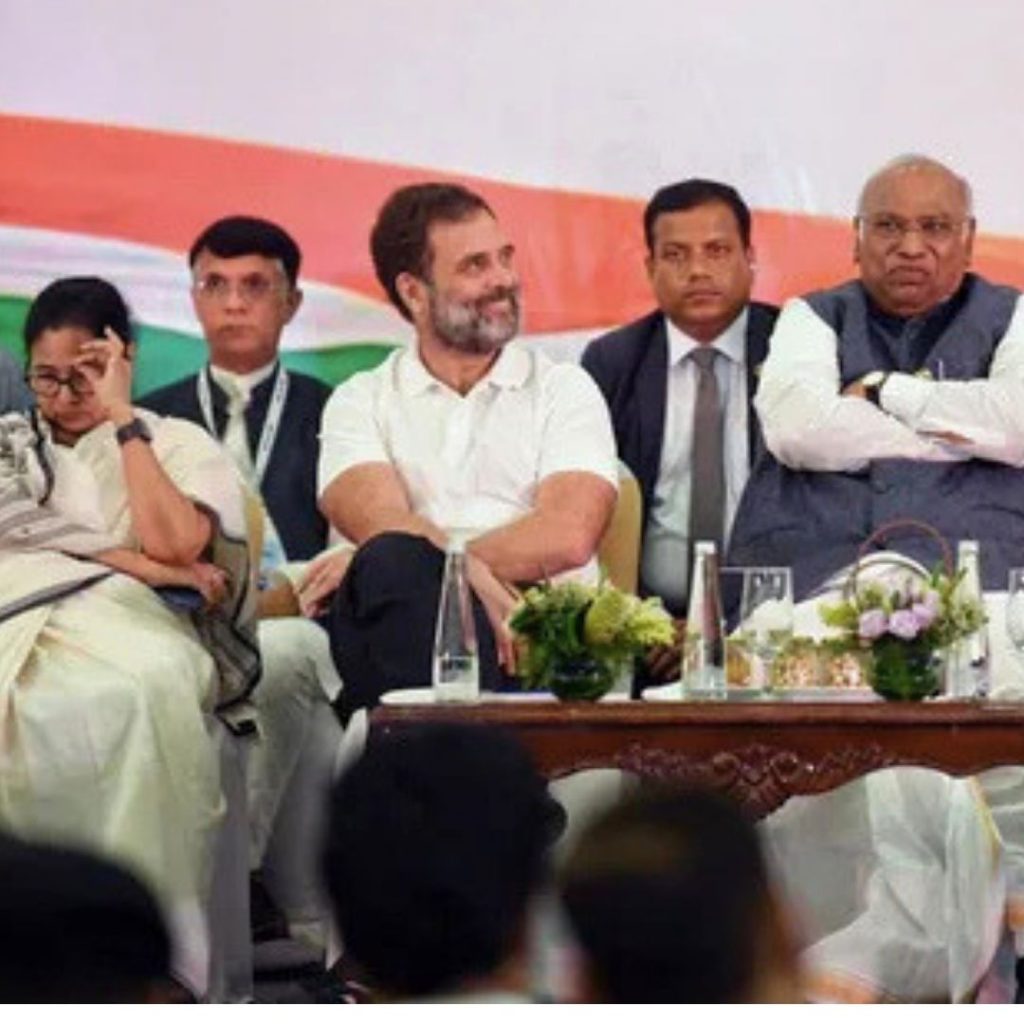
The question “Is there really a rift between Modi and Yogi?” appears often before big elections. This timing is not a coincidence. Opposition parties and some news outlets want to create doubt among voters. By saying the BJP is divided, they hope to make the party look weak. This can affect party workers and common supporters.
Many such reports use unnamed sources or old events. They read body language during meetings or pick up small comments to build a full story of conflict. However, Yogi has clearly said in interviews that he works under the party’s guidance and respects the central leadership. He has called such rumours unnecessary talk meant to divert attention from real work.
Succession talks also add to the noise. Yogi has a strong support base in Uttar Pradesh. His focus on security and development has made him popular among many voters. People naturally discuss what role he may play in future national politics. But turning this into an immediate rivalry ignores the BJP’s strong organisational structure. The party has handled strong leaders before without breaking apart.
Recent activities in UP also do not support the rift idea. The government is expanding its reach through caste-friendly moves, new welfare schemes, and investment summits. These steps show planning and confidence, not confusion caused by internal battles.
The real issues that matter
Instead of focusing on unproven personal differences, voters should look at actual governance. Has law and order improved in Uttar Pradesh? Are more industries coming to the state? Are women and common citizens feeling safer? These are the questions that decide elections.
The media plays a big role in shaping opinions. Some channels repeat the same narrative every few months. This creates confusion and takes attention away from development work. Good journalism should check facts carefully rather than spread unverified claims.
Yogi Adityanath has changed the way people see Uttar Pradesh. From a state once known for instability, it is now attracting global attention for growth. Modi’s national leadership has provided the support system for this change. Their combined efforts have helped shift politics from old-style favouritism to development and good governance.
As elections come closer, more such stories may appear. The aim seems to be to weaken public trust in the current leadership. But people of Uttar Pradesh have shown in past elections that they judge leaders by results, not by media drama.
Time to focus on real progress
So, is there really a rift between Modi and Yogi? The evidence points to no. What we see is a working partnership that has delivered visible changes. Minor differences will always exist in large political families, but they have not stopped the progress.
For the people, the focus should stay on practical issues – jobs, education, health, safety, and economic growth. BJP leaders continue to project unity through their actions and public appearances. They understand that voters care more about delivery than about gossip.Muslim Father Chops Daughter’s Body Into Pieces in Uttar Pradesh: The Shocking Kushinagar Case
Indian democracy works best when citizens look beyond headlines and check the ground realities. As 2027 approaches, the real test will be performance, not personality clashes created in news studios.
The constant talk of divisions tries to hide the real story of teamwork and development. By staying informed and ignoring baseless rumours, voters can make better choices for Uttar Pradesh and India.www.ndtv.com