

Germany’s immigration debate has become one of the country’s most politically divisive issues. Few politicians have pushed the debate further than Alice Weidel, co-leader of the Alternative for Germany (AfD).
Weidel has repeatedly argued that Germany needs a fundamental change in its migration policy. During the 2025 federal election campaign, she said an AfD government would take major action within its first 100 days, including closing Germany’s borders to people entering illegally or without documentation and beginning large-scale deportations. The proposals became closely associated with what is commonly described as Alice Weidel’s 100-day plan.
The issue has gained fresh attention following the September 6, 2026, Saxony-Anhalt state election, where the AfD won 43.8% of the vote and 39 of the state’s 83 parliamentary seats. The party fell short of an outright majority, but the result was a major electoral breakthrough and intensified debate about whether the AfD could eventually enter government at the state or federal level.
It is important, however, to distinguish Weidel’s national political proposals from the separate 100-day program presented by Ulrich Siegmund, the AfD’s leading candidate in Saxony-Anhalt.
What Is Alice Weidel’s 100-Day Plan?
Alice Weidel’s 100-day pledge is not a government program currently being implemented. It describes actions she and the AfD have said they would pursue if they gained the political power to form a government.

The central immigration-related proposals include:
- Closing Germany’s borders to illegal or undocumented entry.
- Turning back people attempting to enter without the required documentation.
- Reducing or eliminating certain social benefits for people who have no legal right to remain.
- Moving asylum support away from cash payments in favor of basic or in-kind assistance.
- Pursuing large-scale deportations or what the AfD calls “remigration.”
Weidel publicly used the term “remigration” during the 2025 election campaign after previously avoiding it in some contexts. Reporting at the time described her proposed first 100 days as involving border closures and large-scale repatriations.
The proposals have generated strong support among AfD voters while provoking intense criticism from opponents.
Why Has Immigration Become Such a Major Issue in Germany?
Germany’s current immigration debate has roots in the refugee crisis that began in 2015.
Under then-Chancellor Angela Merkel, Germany accepted large numbers of refugees and asylum seekers. The policy was defended as a humanitarian response, but it also became a major source of political disagreement.
Since then, Germany has continued to debate asylum applications, deportations, integration, housing, public services and the economic effects of immigration.
The AfD has built much of its political appeal around these concerns.
The party was founded in 2013 and initially focused heavily on opposition to the euro and European integration. Over time, immigration became one of its central political issues.
Today, the AfD argues that Germany needs much stricter controls over immigration and asylum.
What Does “Remigration” Mean in the AfD Debate?
Remigration has become one of the most controversial words in German politics.
In the context of Weidel’s statements, the term has been associated with large-scale returns or deportations of people whom the AfD considers to have no legal right to remain in Germany.
The word is politically sensitive because critics fear that broader interpretations could go beyond people without legal status.
The AfD, however, presents the policy as a response to illegal immigration, rejected asylum claims and people who are legally required to leave Germany.
That distinction is important because deportation under German law cannot simply be carried out without legal procedures. Individual cases can involve asylum decisions, appeals, court proceedings and questions about whether removal is legally possible.
What Would Weidel Want to Do in the First 100 Days?
The most prominent part of Weidel’s proposalconcerns border control and migration.
During the 2025 campaign, she said an AfD government would move quickly to close Germany’s borders and turn back people entering illegally or without documents. She also pledged large-scale deportations.
Another element of the AfD’s approach is changing how support is provided to asylum seekers.
Instead of relying heavily on cash assistance, the party has advocated a system emphasizing necessities and tighter eligibility for benefits.
Supporters argue that this could reduce incentives for irregular migration and lower welfare costs.
Critics counter that the proposals could face constitutional, European and practical limitations.
Why Is the Plan Controversial?
The controversy comes from both the scale and speed of the proposed changes.
Germany’s immigration system operates within the country’s constitution, European Union law and international agreements.
An elected government cannot simply remove every migrant it considers undesirable. Deportation decisions are subject to legal procedures, and certain people cannot be returned if doing so would violate applicable legal protections.
This means that even if an AfD-led government wanted to dramatically increase deportations, implementation would involve courts, government agencies, police, detention capacity and cooperation from countries of origin.
The political promise of achieving major changes within 100 days is therefore much simpler than the practical process of implementing them.
The 2025 Federal Election Changed the AfD’s Position
The AfD made significant gains in Germany’s February 2025 federal election.
According to Germany’s Federal Returning Officer, the AfD received 20.8% of the second votes, making it the second-largest political force in the Bundestag. The CDU received 22.6%, while the SPD received 16.4%.
The result gave the AfD 152 seats in the Bundestag.
However, winning a large share of the vote did not put the AfD into government.
Germany’s mainstream parties have continued to maintain a political barrier against cooperation with the AfD, making it difficult for the party to translate national electoral support directly into government power.
What Happened in Saxony-Anhalt in September 2026?
The political situation changed dramatically at the state level on September 6, 2026.
The AfD won 43.8% of the vote in Saxony-Anhalt, securing 39 of the 83 seats in the state parliament. That left the party three seats short of an outright majority.
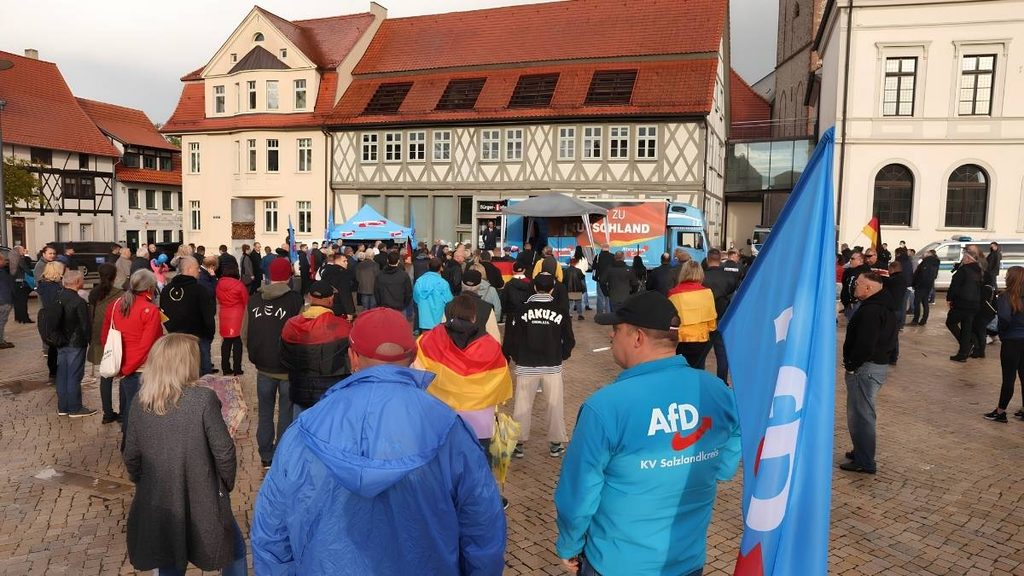
It was an historic resultfor the party.
The election also put Ulrich Siegmund, the AfD’s leading candidate in Saxony-Anhalt, at the center of attention.
However, Siegmund’s state-level agenda should not be confused with Alice Weidel’s national 100-day plan.
Siegmund had his own 100-day program for governing Saxony-Anhalt. His proposals included tougher immigration enforcement, increased deportations and changes to benefits for asylum seekers.
The distinction matters because Saxony-Anhalt is a German state, while Weidel’s 100-day proposals concern what an AfD government could seek to do at the national level.
Could the AfD Actually Implement Its 100-Day Plan?
That depends on whether the party can obtain sufficient political power.
At the federal level, the AfD remains outside government despite becoming the second-largest party in the Bundestag after the 2025 election.
At the state level, the Saxony-Anhalt result has brought the question much closer to reality.
The AfD won a huge share of the vote, but winning an election does not automatically mean that every campaign proposal can be implemented.
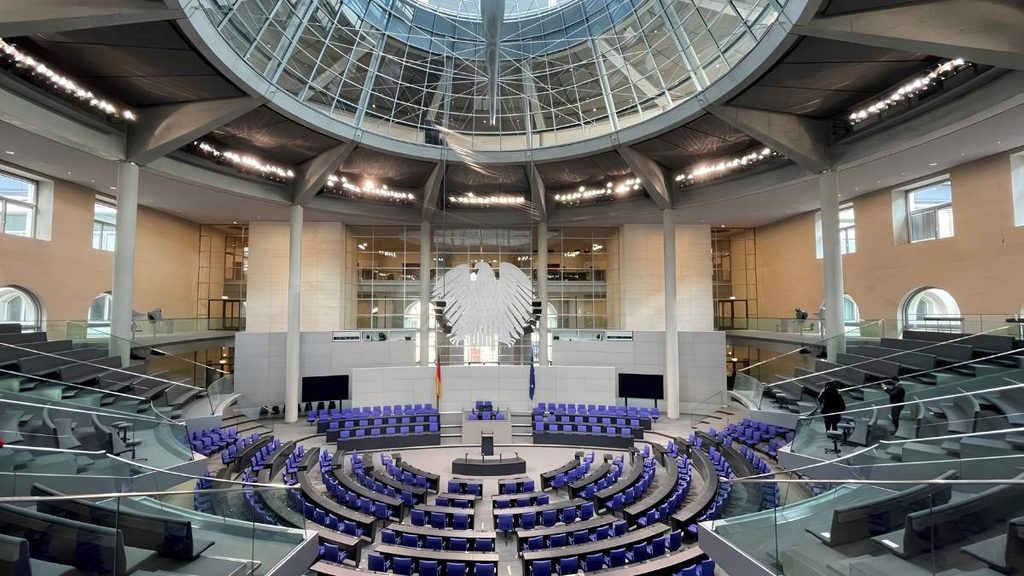
The party still needs to form a government and navigate Germany’s constitutional system, state institutions, courts and existing laws.
Other parties have also been reluctant to cooperate with the AfD, creating uncertainty over whether the party can actually form a governing majority in Saxony-Anhalt.
What Are the Main Arguments in Favor of the Plan?
Supporters of Weidel’s approach argue that Germany needs stronger control over its borders and a faster response to people who have no legal right to remain.
They commonly point to:
- Illegal immigration
- Pressure on housing
- Welfare costs
- Slow deportation procedures
- Integration difficulties
- Public safety concerns
From this perspective, the 100-day pledge represents a promise to move quickly rather than continue with gradual reforms.
The AfD argues that previous governments have failed to address these concerns effectively.
What Are the Main Arguments Against It?
Critics argue that the proposals are too broad, legally difficult and potentially damaging to Germany’s constitutional and humanitarian obligations.
They also question whether mass deportations could realistically be carried out on the scale suggested.
Deportations can require cooperation from countries of origin, travel documents, administrative resources and decisions in individual cases.
There are also concerns about how broader interpretations of “remigration” could affect people who have lived in Germany for many years.
These disagreements explain why immigration remains such a politically explosive issue in Germany.
What Does This Mean for Germany’s Future?
The September 2026 Saxony-Anhalt election shows that the AfD’s political influence has continued to grow.
The party’s 43.8% result does not mean that Germany has become an AfD-led country. Nor does it mean that Weidel’s federal 100-day plan is being implemented.
But it does demonstrate that the party has moved from being a protest force to a major contender for political power in parts of Germany.
The result will likely increase pressure on Germany’s established parties to address issues such as immigration, security, welfare and economic frustration.
It also raises a much bigger question: Can Germany’s long-standing political barrier against the AfD survive as the party continues to gain electoral support?
Alice Weidel’s 100-Day Plan: What Happens Next?
For now, Alice Weidel’s 100-day plan remains a set of political proposals rather than an implemented government program.
The AfD’s federal election performance in 2025 and its historic result in Saxony-Anhalt in 2026 have nevertheless given those proposals greater political relevance.
The biggest test will be whether the AfD can turn electoral success into governing power while operating within Germany’s constitutional and legal framework.
For voters, the debate goes beyond immigration alone. It touches on security, welfare, housing, labor shortages, integration, national identity and Germany’s relationship with the European Union.
Weidel offers a rapid and highly restrictive approach to migration. Her opponents argue for stricter enforcement combined with legal safeguards, integration measures and more gradual reform.
The political battle over these competing visions is unlikely to disappear.
Frequently Asked Questions
What is Alice Weidel’s 100-day plan?
Alice Weidel’s 100-day plan refers to measures she has said an AfD government would pursue during its first 100 days, particularly stricter border controls, changes to migrant benefits and large-scale deportations.
Does Alice Weidel support remigration?
Yes. Weidel has publicly used the term “remigration” in connection with the AfD’s migration policy and large-scale returns.
Did the AfD win the 2026 Saxony-Anhalt election?
Yes. The AfD won 43.8% of the vote and 39 of 83 seats, but it did not secure an outright parliamentary majority.
Is Ulrich Siegmund’s 100-day plan the same as Alice Weidel’s?
No. Siegmund’s 100-day program was designed for governing Saxony-Anhalt at the state level. Weidel’s proposals concern the AfD’s broader national political agenda.
Is Alice Weidel currently Germany’s chancellor?
No. Weidel is a co-leader of the AfD and remains an opposition politician at the federal level.
Final Takeaway
Alice Weidel’s 100-day plan is one of the clearest expressions of the AfD’s restrictive approach to immigration.
Its central ideas include tighter borders, changes to migrant benefits and large-scale deportations. The proposals remain politically controversial and would face significant legal and practical hurdles if an AfD-led federal government attempted to implement them.
But the political environment surrounding the plan has changed.
After the AfD’s 20.8% result in the 2025 federal election and its 43.8% victory in Saxony-Anhalt in September 2026, the party has demonstrated that its immigration message can attract substantial electoral support.
Whether that support eventually allows Alice Weidel and the AfD to implement their national agenda remains one of the major questions in German politics.
1 thought on “Alice Weidel’s 100-Day Plan: What the AfD Wants to Change in Germany”