
A Quiet Decision with Loud Consequences
In early November 2025, the association Die Familienunternehmer ended its federal-level contact ban on the Alternative für Deutschland (AfD). The new policy is narrowly drawn: selected AfD parliamentarians may now be invited to specialist events, but only to discuss concrete economic topics such as inheritance-tax reform, energy prices, and regulatory relief. Political cooperation remains explicitly ruled out.
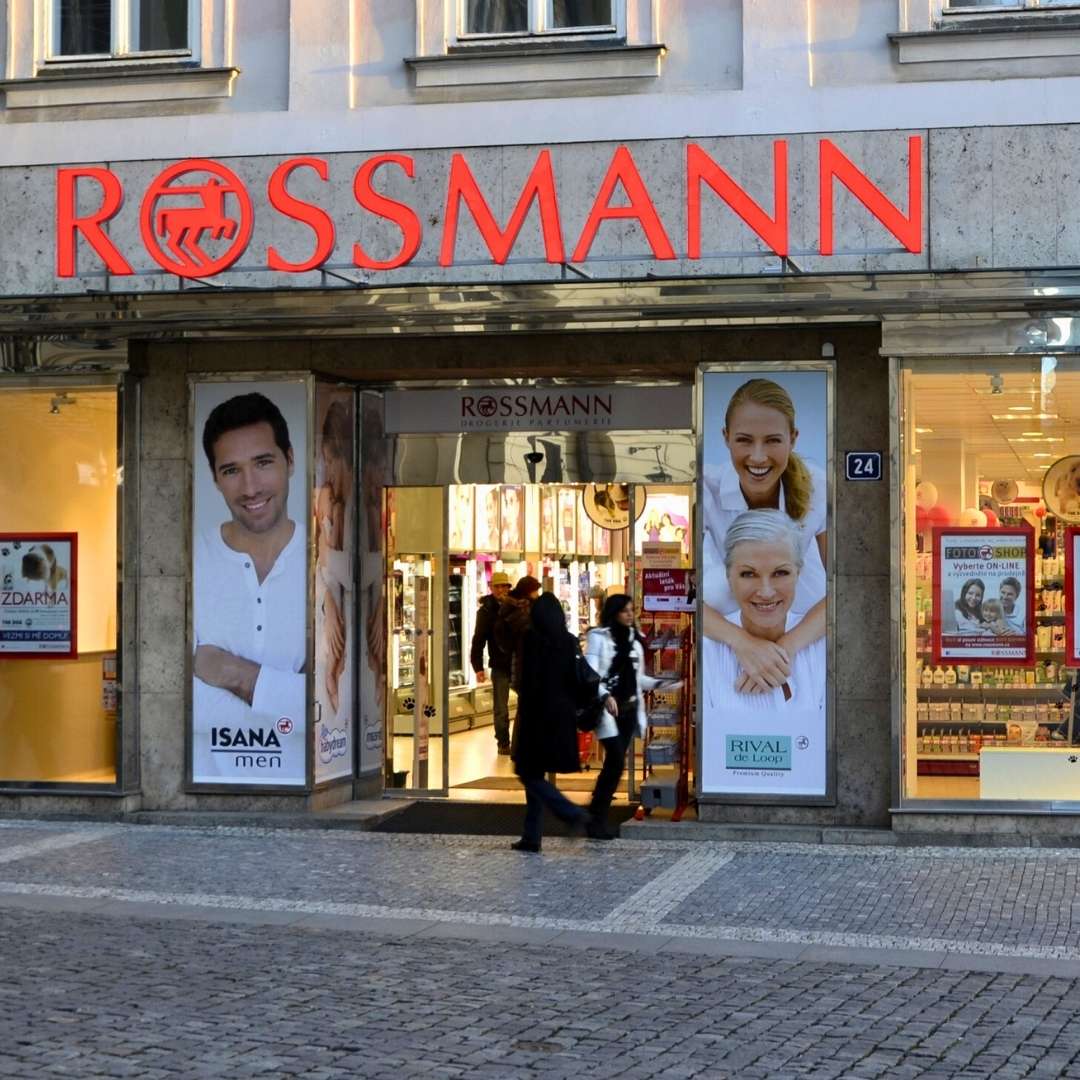
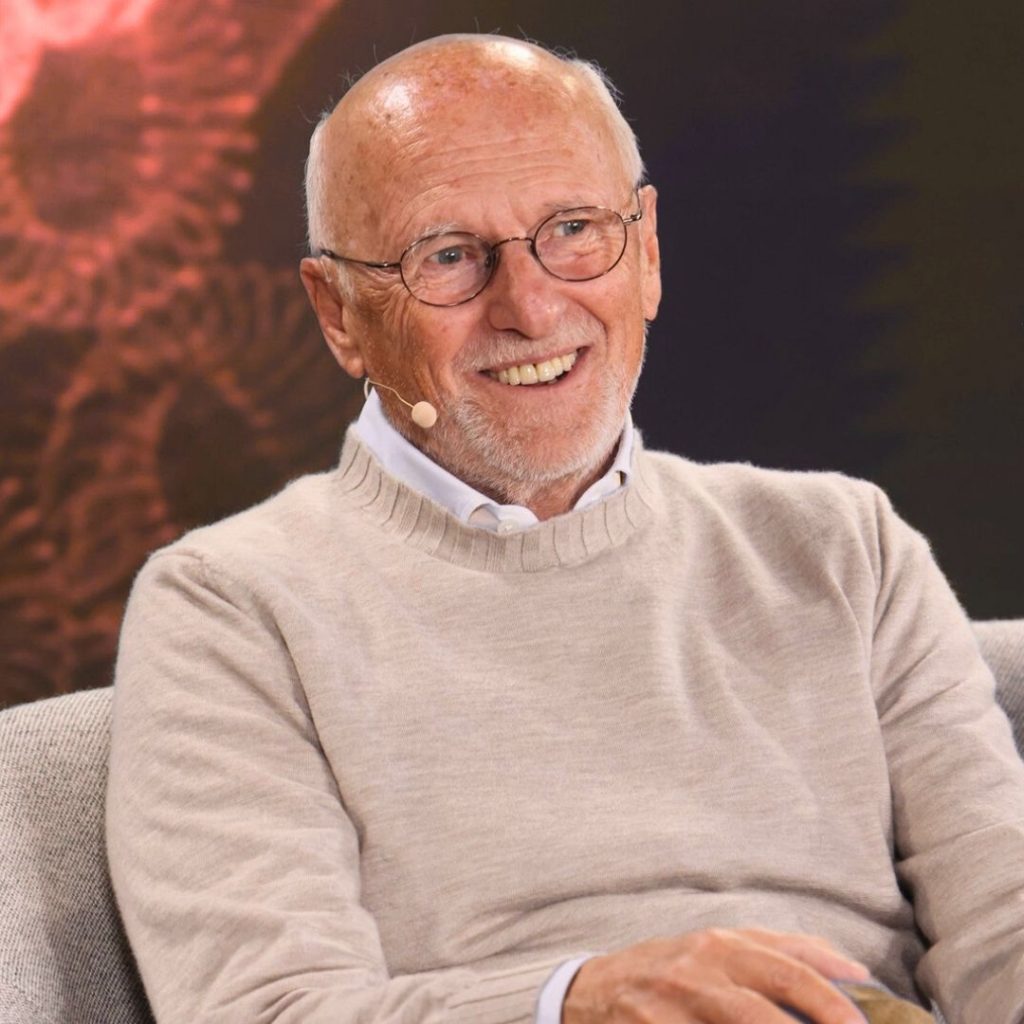
Within days, one name dominated every headline about the decision: Dirk Rossmann. The founder of Germany’s second-largest drugstore chain had been a member of the association for more than thirty years and once served on its presidium. When the shift was announced, Rossmann acted immediately. The company terminated its membership without hesitation and without public negotiation.
Why Dirk Rossmann Drew the Line
Dirk Rossmann has spent decades cultivating an image that combines entrepreneurial success with clear social and ecological responsibility. His stores sell organic cosmetics, fair-trade products, and reusable packaging long before sustainability became mainstream. For a brand built on these values, any perceived proximity to the AfD – even in the form of limited technical talks – was unacceptable.
The official statement from Rossmann was short and unambiguous: the company could not remain part of an organisation that now opens its doors, however slightly, to the AfD. In the eyes of Dirk Rossmann and his management team, democratic principles are non-negotiable, and the reputational risk for a mass-market retailer was simply too high.
The Consumer-Brand Calculus
Rossmann is not a niche player. With more than 4,000 stores and annual revenue exceeding €10 billion, it sells shampoo, diapers, and vitamins to millions of households every week. A significant portion of its customers live in urban areas and lean centre-left or green. Even a whisper of association with the AfD could trigger boycotts that would hurt sales faster than any possible lobbying gain from inheritance-tax talks.
Vorwerk, maker of Thermomix and Kobold appliances, reached the same conclusion and let its long-dormant membership lapse permanently. Both companies belong to the same category: consumer-facing, highly visible brands that cannot afford ambiguity in the current climate.
The Other Side of the Mittelstand
While Dirk Rossmann and a handful of Western consumer brands made the headlines with their departures, thousands of other family firms stayed silent. These are mostly industrial, engineering, and component-manufacturing companies that sell almost exclusively to other businesses. Their customers choose suppliers based on quality, delivery reliability, and price – not on which politicians attend a round-table discussion in Berlin.
Many of these firms are located in eastern Germany, where AfD representatives already sit in state parliaments and sometimes hold the balance of power. For them, pragmatic contact on technical issues feels less like betrayal and more like everyday reality.
A Growing East-West Fracture
The controversy has laid bare a geographical and cultural fault line that has been widening for years:
- Western, export-oriented, and consumer-facing companies fear brand damage above everything else.
- Eastern and many industrial members operate in regions where the AfD is part of the political landscape, whether they like it or not.
One association can no longer speak convincingly for both worlds without friction.
What the Association Actually Wants
President Marie-Christine Ostermann has repeated the same boundaries in every interview:
- Talks are limited to policy substance.
- No political alliances.
- No support for governments involving the AfD.
The goal is to test proposals on inheritance tax, energy security, and bureaucracy reduction against facts rather than slogans. Whether that goal survives the loss of high-profile members like Dirk Rossmann remains uncertain.
The Bigger Question No One Can Avoid
When a party consistently polls above 20 % and governs in several states, at what point does principled exclusion become strategic self-isolation? Conversely, when does cautious engagement start to look like the first step toward normalisation?
Die Familienunternehmer has placed itself exactly on that knife-edge. The departure of Dirk Rossmann has turned a policy adjustment into a public morality play, but it has not changed the underlying arithmetic: family businesses are struggling, voters are angry, and the old consensus is fraying.https://www.ndtv.com/
Where This Leaves German Family Enterprise
The clash between the association’s new realism and Dirk Rossmann’s uncompromising exit is more than an internal dispute. It is a microcosm of the broader tension now running through the entire German economy.
Some family entrepreneurs will follow Rossmann’s example and prioritise a clear democratic profile over potential policy influence. Others will stay, arguing that refusing to speak to elected representatives no longer serves their employees or their successors.https://theinfohatch.com/lunch-time-for-beijing-china-wax-without-migrants/
Neither side is likely to convince the other. What began as a modest procedural change has become an existential test for the Mittelstand: how to defend both economic interests and democratic values when a growing part of the electorate no longer trusts the institutions that once guaranteed both.
1 thought on “AfD and Dirk Rossmann: Consumer Brand vs. Political Reality”