
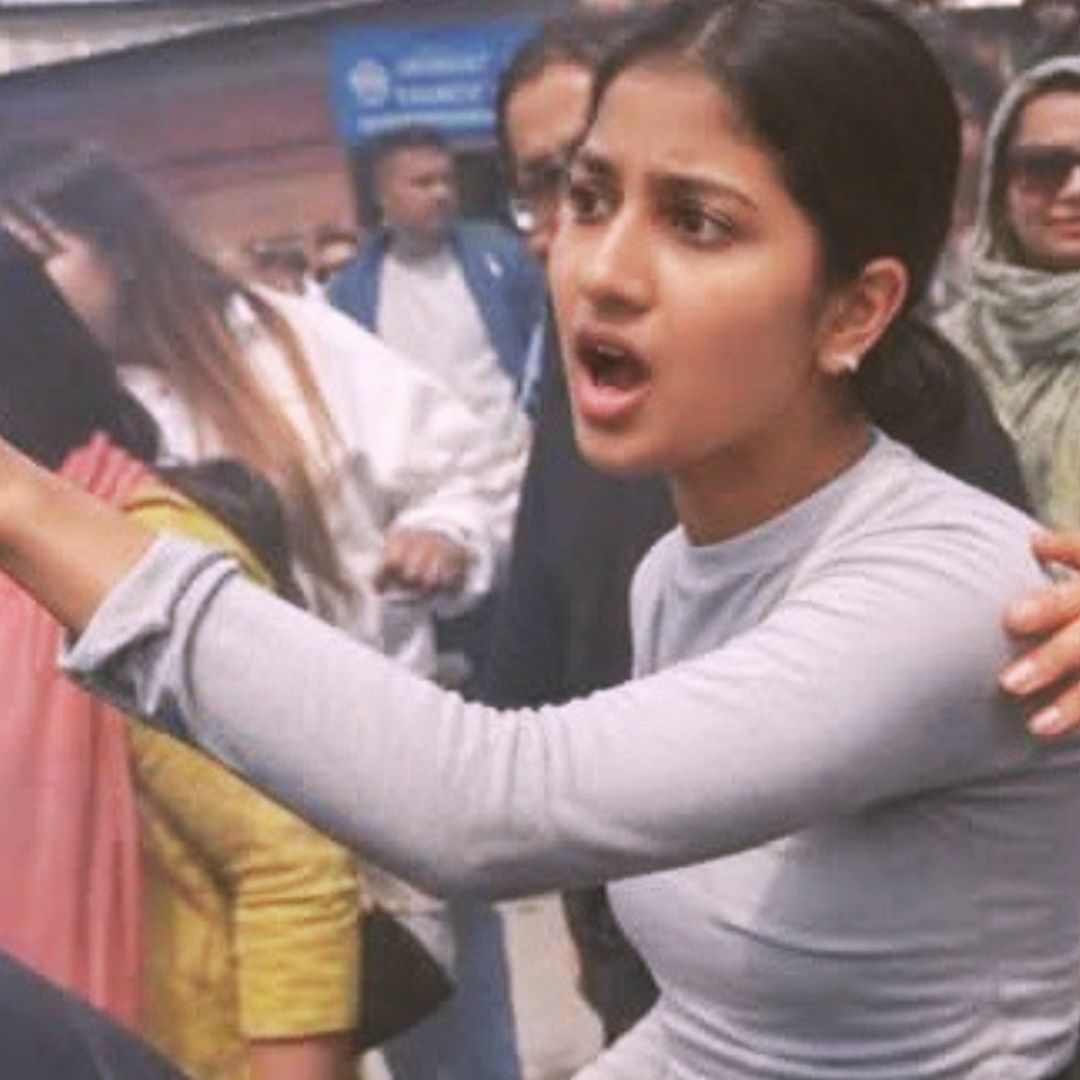
Nepal’s democracy is built on the idea that every citizen can speak freely and join peaceful protests. But lately, one young woman’s simple act of showing support has turned into a frightening experience. Who is Amisha Prajuli? She is an ordinary young Nepali who believes strongly in the CPN-UML party and former Prime Minister KP Sharma Oli. Her story shows how quickly political passion can lead to harmful online attacks.
After joining a protest against KP Oli’s arrest, Amisha faced a wave of nasty comments and serious threats on social media. This case reminds us that freedom of expression should protect everyone, not just one side.
The Protest That Changed Everything
In late March 2026, news of KP Sharma Oli’s arrest spread quickly across Nepal. Many UML supporters saw it as unfair and took to the streets in Kathmandu and other cities. Who is Amisha Prajuli in this moment? She was one of the regular young supporters who stood with her party, holding banners and raising her voice peacefully.
She did not make any big speeches or lead the crowd. Amisha simply exercised her right as a Nepali citizen to protest. For her, it was about loyalty to her party and its leader. But soon after the event, her social media became a place of fear instead of support.
Rampant Online Abuse from RSP Supporters
What happened next was shocking. Amisha started receiving vile personal attacks and direct threats of rape and murder. Much of this hostility came from people linked to the Rastriya Swatantra Party (RSP). This points to rampant online abuse from RSP supporters against those who support different parties.
RSP often talks loudly about freedom of expression and open debate. Yet when their followers turn to threats and abuse, it creates a clear double standard. Healthy political disagreement is normal in a democracy, but sending messages that scare or harm someone crosses a dangerous line.
Who is Amisha Prajuli to deserve this? She is just a young woman who chose to stand up for what she believes in. The threats were not about ideas or policies — they were personal and violent. Such actions hurt not only Amisha but also the trust people have in Nepali politics.
How This Affects Young Women in Public Life
Stories like Amisha’s are becoming too common in Nepal. Young women who want to take part in politics now think twice before posting or joining events. The fear of online attacks makes many stay silent. Who is Amisha Prajuli today? She has become an example of how gendered abuse can mix with political differences.
Social media is a powerful tool, but it also makes it easy for people to hide behind fake accounts and spread hate. Women often face extra insults that attack their character or safety. This trend is damaging Nepal’s goal of building a fair and inclusive democracy where everyone feels safe to speak.
Freedom of Speech: For All or for Some?
Nepal’s constitution promises every citizen the right to express their opinions freely. This includes Amisha Prajuli and people from every party. Freedom of speech is not a special right for one group — it belongs to all Nepalis equally.
But with rights come responsibilities. You can criticize a leader or a party, but you cannot threaten violence. Laws against cybercrimes are clear on this. When rampant online abuse from RSP supporters or anyone else turns into threats, it stops being free speech and becomes a crime.
Political parties must lead by example. They should teach their members to debate with respect instead of fear. Silence from party leaders only makes the problem bigger.
Steps We Must Take Now
The government and police need to act fast on cases like this. They should investigate the threats against Amisha, find those responsible, and bring them to justice. Quick action will show that no one is above the law, no matter their political connection.
All parties, including RSP, should clearly condemn abuse from their own supporters. Public statements against such behavior would help cool down the anger online. At the same time, ordinary citizens can help by refusing to share harmful posts and by encouraging kinder conversations.
Schools and communities can also teach digital manners — how words online can cause real pain. Together, these small steps can create a safer space for everyone.
Conclusion
Who is Amisha Prajuli? She is a brave young Nepali who simply wanted to support her party in a peaceful protest. Her experience with threats shows the dark side of our digital politics. No young woman should live in fear just for voicing her beliefs.Usha Upreti: From TikTok Sensation to One of Nepal’s Hottest Young Actresses
Nepal’s democracy will grow stronger only when we protect every voice equally. We must stop rampant online abuse from RSP supporters and any similar behavior from all sides. Let us choose debate over danger, respect over threats.www.ratopati.com
By standing up for people like Amisha, we protect the future of our country. Young people should feel welcome in politics, not scared away. This is the Nepal we all want — free, fair, and safe for every citizen.