
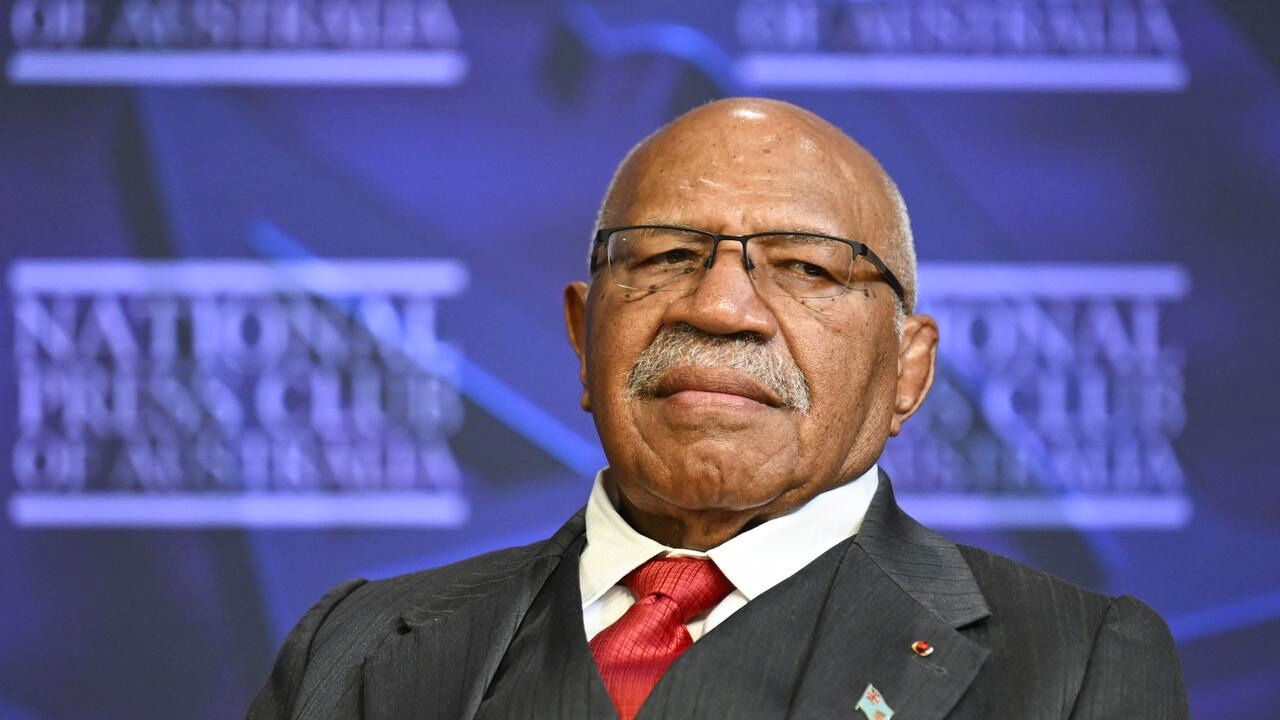
Introduction: Sitiveni Rabuka’s Diplomatic Milestone
In a surprising yet strategic move, Fiji, under the leadership of Prime Minister Sitiveni Rabuka, officially opened its first embassy in Jerusalem, Israel, on September 17, 2025. This historic event, attended by Sitiveni Rabuka, Israeli Prime Minister Benjamin Netanyahu, and Foreign Minister Gideon Sa’ar, marks Fiji as the seventh nation to establish a diplomatic mission in Jerusalem, joining the United States, Guatemala, Kosovo, Honduras, Papua New Guinea, and Paraguay. For a small Pacific nation of 900,000, this decision is monumental, signaling Fiji’s growing global influence and Sitiveni Rabuka’s ambition to reposition his country as a key player in international affairs.
This blog explores the significance of Sitiveni Rabuka’s decision to open the embassy, its implications for Israel, the broader Middle East, and U.S. foreign policy, and what it means for Fiji’s future. From geopolitical alignments to economic opportunities, we’ll unpack how Sitiveni Rabuka is navigating a complex world stage with this bold move. Whether you’re curious about Middle Eastern diplomacy or Pacific nations’ global roles, this article dives deep into the why and how of Fiji’s Jerusalem embassy.
The Ceremony: A Historic Moment Led by Sitiveni Rabuka
On a sunny morning in Jerusalem’s Har Hotzvim district, Sitiveni Rabuka stood alongside Netanyahu and Sa’ar to cut the ribbon for Fiji’s new embassy. The Fijian flag, vibrant with its blue, red, and white design, now flies proudly next to Paraguay’s mission. Sitiveni Rabuka, known for his distinctive leadership style and traditional Fijian attire, delivered a speech emphasizing diplomacy over politics: “This embassy is a bridge for collaboration, not a stance on conflict. Fiji has long contributed to Middle East peacekeeping, and we aim to deepen that legacy.”
The ceremony highlighted Sitiveni Rabuka’s pragmatic approach. Israel covered the embassy’s rental costs, while Fiji allocated $1.125 million for operations, reflecting a shared commitment to bilateral ties. Sitiveni Rabuka underscored potential cooperation in agriculture, climate resilience, and security, areas where Fiji and Israel face common challenges. Netanyahu called the move “a testament to shared values,” while Sa’ar described it as “bold, moral, and historic,” tying it to Jerusalem’s significance as Israel’s capital.
For Sitiveni Rabuka, a former military commander and two-time coup leader in the 1980s, this moment reflects his evolution into a statesman. His February 2025 meeting with Sa’ar at the Munich Security Conference laid the groundwork, focusing on countering drug trafficking and boosting trade. Sitiveni Rabuka’s leadership is pivotal, blending Fiji’s Pacific identity with global ambitions.
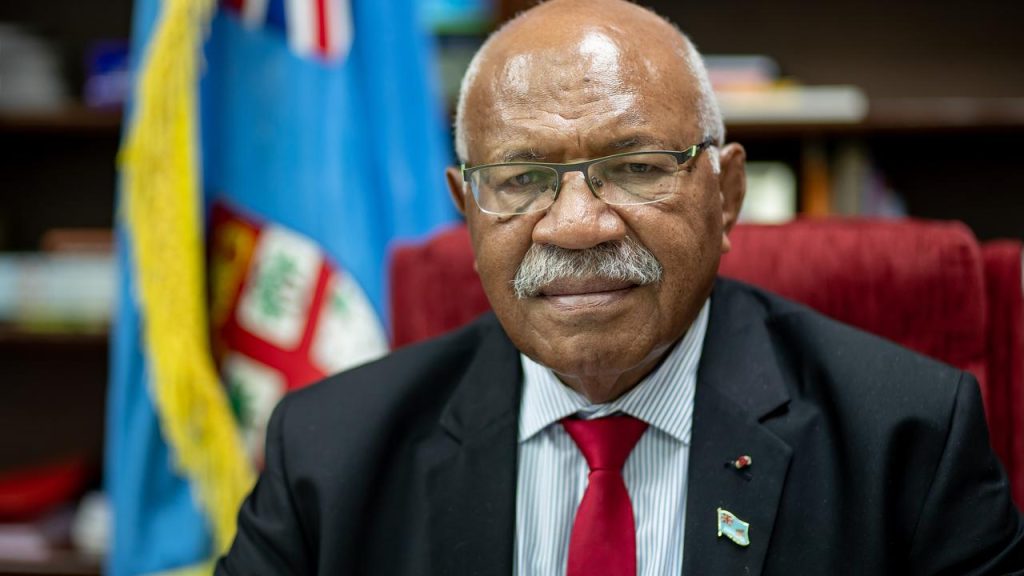
Why Jerusalem? Understanding Sitiveni Rabuka’s Strategy
The choice of Jerusalem is no small matter. The city’s status as Israel’s capital is contested, with Palestinians claiming East Jerusalem as their future capital. Since the 1967 Six-Day War, most nations have kept embassies in Tel Aviv, adhering to UN Resolution 478 (1980). Sitiveni Rabuka’s decision to break this norm places Fiji in a select group, following the U.S.’s lead in 2018. But why take this risk?
Sitiveni Rabuka, born in 1948, sees parallels between Fiji’s resilience and Israel’s. His military background and UN peacekeeping experience inform his pragmatic diplomacy. In a 2024 Fiji Times interview, Sitiveni Rabuka said, “Small nations must act boldly to be heard.” The embassy aligns with his vision to elevate Fiji’s global profile, leveraging Israel’s technological expertise to address Fiji’s challenges like climate change and drug trafficking.
Fiji’s ties with Israel date back to 1970, but Sitiveni Rabuka’s move to Jerusalem is a calculated step. It strengthens Fiji’s UN voting influence, especially in the Pacific bloc, and opens doors to Israeli innovations in agriculture and cybersecurity. For Sitiveni Rabuka, it’s about practical gains—trade, scholarships, and security—while maintaining Fiji’s neutrality in the Israeli-Palestinian conflict.
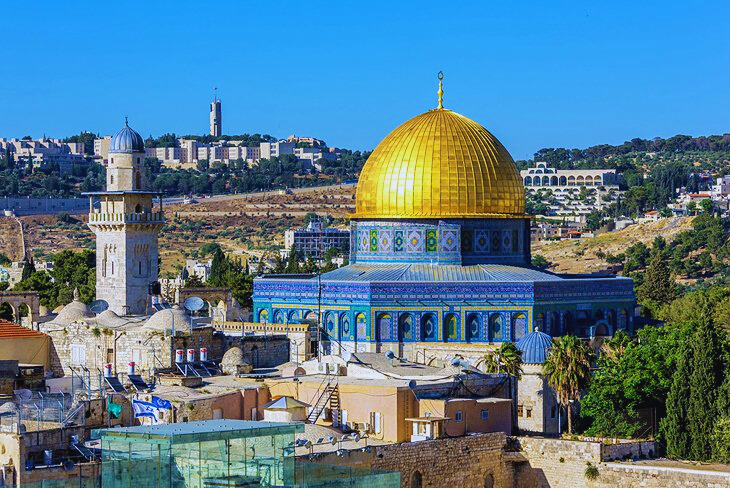
Implications for Israel: A Win for Netanyahu
For Israel, Sitiveni Rabuka’s embassy opening is a diplomatic coup. Amid ongoing conflicts in Gaza and Lebanon, and strained relations with Turkey and Jordan, Israel craves international legitimacy. Fiji’s move reinforces Jerusalem as Israel’s capital, a narrative Netanyahu’s government pushes hard. Sitiveni Rabuka’s presence at the ceremony was a morale booster, with Netanyahu noting, “True friends shine in tough times.”
Economically, the embassy opens new doors. Israel’s drip–
irrigation and cybersecurity tech could transform Fijian agriculture, hit hard by climate change. Trade, currently under $10 million annually, could triple through joint ventures. Security cooperation is also key, as Sitiveni Rabuka emphasized countering methamphetamine trafficking, a shared concern. In the UN, Fiji’s vote could sway resolutions on Palestinian statehood, giving Israel a Pacific ally.
However, the move complicates peace talks. The Palestinian Authority condemned Fiji’s decision as “a violation of international law,” urging Sitiveni Rabuka to reconsider. Yet, Sitiveni Rabuka clarified Fiji’s support for a two-state solution, positioning theainteres
Broader Middle East Ramifications: Adding Fuel to the Fire?
The Middle East, already fraught with instability, views Sitiveni Rabuka‘s decision through a lens of division. Palestine and its allies see it as undermining the two-state solution, where East Jerusalem is envisioned as a Palestinian capital. This could exacerbate tensions in Gaza and the West Bank, where protests or escalations might occur.
However, it’s unlikely to drastically alter the power balance, given Fiji’s small size. Instead, it highlights a trend of Pacific nations aligning with Israel, potentially influencing others like Tonga or Samoa.
US Interests: Alignment with American Policy
The United States, under its pro-Israel stance since the 2018 embassy move by Trump, benefits from Sitiveni Rabuka’s action. It reinforces US efforts to encourage global recognition of Jerusalem, bolstering alliances in the Pacific amid competition with China. This supports US strategic interests in countering Iranian influence and promoting Abraham Accords-like normalizations.www.19thnews.org
Effects on the Islamic World: Insights into Backlash and Relations
Sitiveni Rabuka’s embassy opening has stirred reactions in the Islamic world. Organizations like the Organisation of Islamic Cooperation (OIC) and Arab League may condemn it, viewing it as legitimizing Israel’s occupation. In Fiji, with its Muslim minority, domestic protests have emerged, as seen in prior criticisms of the plan.
Broader effects include strained ties with Muslim-majority nations. Indonesia and Malaysia, key Pacific partners, might express displeasure, affecting trade. For the Islamic world, this underscores divisions: while Gulf states normalize with Israel, others remain staunchly pro-Palestinian.
Insights reveal potential for increased anti-Israel sentiment, boycotts, or diplomatic isolation of Fiji in OIC forums. However, Sitiveni Rabuka’s Christian-influenced policy prioritizes biblical ties over these risks, potentially inspiring similar moves elsewhere.https://theinfohatch.com/oic-emergency-meeting-in-doha-isreal-fight-hamas/
In conclusion, Sitiveni Rabuka’s bold step reshapes Fiji’s global role while navigating Middle East complexities. As tensions boil, this embassy opening highlights diplomacy’s power to bridge divides—or deepen them.
2 thoughts on “Sitiveni Rabuka Leads Fiji to Open Embassy in Jerusalem: A Game-Changer for Global Diplomacy”