
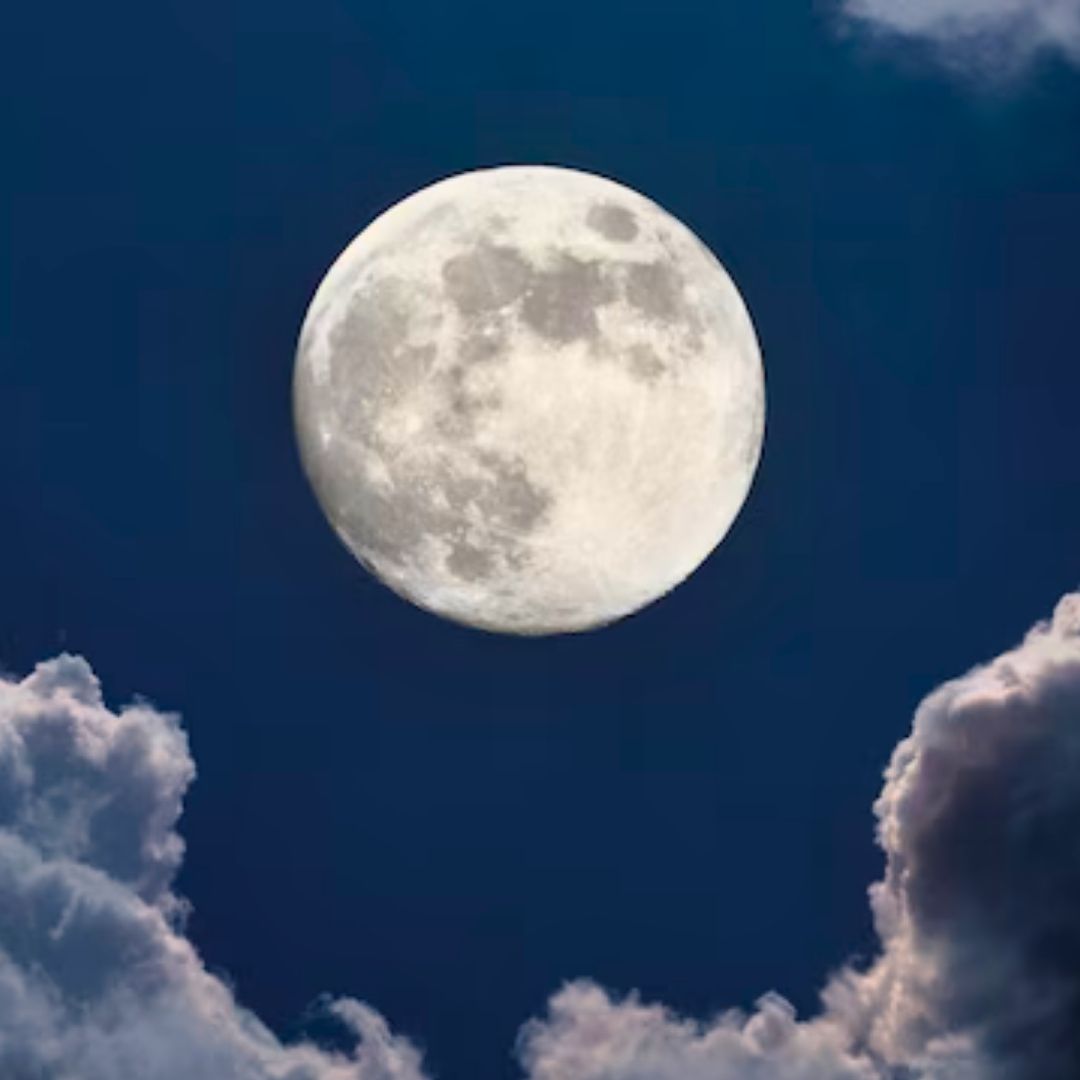
Magh Purnima, also called Magha Purnima or Maghi Purnima, falls on the full moon day of the Hindu lunar month of Magha. In 2026, this auspicious occasion arrives on February 1, when the Sun resides in Capricorn, and the Moon reaches its fullest expression in Cancer. For devotees in Kathmandu, across Nepal, and in many parts of India, this day represents a profound opportunity to renew the spirit, seek divine blessings, and perform time-honored practices rooted in centuries of tradition.
The full moon’s radiant energy is believed to heighten spiritual vibrations, making prayers, meditation, and charitable acts especially potent. Magh Purnima serves as the culmination of the sacred Magha month, a period dedicated to introspection, discipline, and the accumulation of merit through simple yet meaningful observances.
Understanding the Deeper Meaning of Magh Purnima
In Hindu philosophy, the full moon symbolizes wholeness, clarity, and the peak of positive cosmic forces. During Magha, devotees focus on purifying the mind and body while strengthening their connection to the divine. Scriptures describe this month as ideal for acts that dissolve accumulated negativity and invite peace, prosperity, and protection.
Many view Magh Purnima as the perfect moment to complete vows or observances started earlier in the month, such as daily holy baths or fasting. In some communities, the day also aligns with celebrations honoring saints like Guru Ravidas or concludes extended rituals like the Swasthani Brata Katha in Nepal. Regardless of regional variations, the underlying theme remains the same: using this luminous night to reflect deeply, express gratitude, and live with greater awareness.
Morning Rituals: Beginning with Purification
The day traditionally begins before sunrise. Devotees rise early, often in the pre-dawn hours known as Brahma Muhurta, to prepare for the most important ritual of the day—the holy bath, or Magh Snan.
Taking a dip in sacred waters is considered profoundly cleansing. In Nepal, many head to the ghats along the Bagmati River near Pashupatinath Temple in Kathmandu. Others visit local ponds, springs, or even perform the ritual at home with consecrated water if travel is not possible. The act of bathing is accompanied by silent prayers or the chanting of mantras, with the belief that the combination of flowing water and full-moon energy washes away sins, negative karma, and mental burdens.
Even those unable to visit a river often take a symbolic bath at home, sprinkling themselves with water while reciting invocations to Lord Vishnu, Lord Shiva, or the Moon God (Chandra). This simple practice helps set an intention of inner renewal right from the start of the day.
Observing the Fast and Evening Worship
A large number of people choose to fast on Magh Purnima, either fully or partially. The fast is usually sattvic in nature—light foods such as fruits, milk, yogurt, nuts, and simple preparations made without onion, garlic, or heavy spices. The purpose is to cultivate discipline, reduce bodily desires, and direct energy toward spiritual focus.
As the sun sets and the full moon begins to rise, evening worship takes center stage. Families gather to perform puja, often dedicating it to Lord Vishnu in his form as Satyanarayan. The Satyanarayan Puja includes lighting a lamp, offering flowers, fruits, betel leaves, and sweets, and narrating the associated katha—a story that underscores the rewards of truthfulness, devotion, and keeping one’s promises.
A highlight of the evening is the Chandra Arghya, the offering of water to the moon. Standing outdoors or near a window, devotees hold a copper or brass vessel filled with water, milk, white flowers, and akshat (unbroken rice grains). Facing the bright full moon, they slowly pour the water while chanting mantras or simply expressing gratitude for the moon’s gentle light and calming influence. This ritual is said to bring emotional harmony, mental peace, and relief from stress or anxiety.
The Power of Charity and Dana
Charity holds a central place in Magh Purnima observances. Giving to those in need is regarded as one of the highest forms of merit on this day. Common offerings include:
- Food—especially cooked rice, dal, sweets, or seasonal fruits
- Warm clothing or blankets are particularly valuable during the winter season
- Black sesame seeds, jaggery, or pulses
- Money or grains donated to temples, ashrams, or directly to the underprivileged
In many households, families prepare extra food to distribute among neighbors, relatives, or street vendors. Donating to Brahmins, priests, or spiritual institutions is also common, as these acts are believed to generate long-lasting positive karma and help resolve ancestral obligations through Pitru Tarpan (offerings made in memory of forebears).
Such generosity not only benefits the receiver but also cultivates compassion and detachment in the giver, aligning perfectly with the spiritual goals of the day.
Regional Traditions in Nepal
In Nepal, Magh Purnima carries unique local flavors. The conclusion of the month-long Swasthani Brata Katha often coincides with this full moon, bringing families together for final prayers, storytelling, and offerings. Devotees visit major temples like Pashupatinath, Guhyeshwari, or Changu Narayan for special darshan and rituals.
In some communities, processions (Jatra) featuring beautifully adorned deity idols take place, accompanied by traditional music, bhajans, and enthusiastic participation. The Madhav Narayan festival, centered on Lord Vishnu, also reaches its climax around this time, with devotees reciting sacred verses and performing dedicated worship.
These regional expressions add warmth and vibrancy while preserving the universal essence of purification, devotion, and service.
Lasting Benefits and Reflections
Participating in Magh Purnima rituals is said to bring multiple blessings: clarity of thought, removal of obstacles, fulfillment of sincere desires, improved health, and deeper spiritual insight. The amplified lunar energy supports longer meditation sessions, the chanting of powerful mantras such as “Om Namo Bhagavate Vasudevaya” or the Gayatri Mantra, and a stronger sense of connection to the divine.
Beyond the personal level, these practices encourage values that benefit society—honesty, kindness, gratitude, and selfless action. In a fast-paced world, taking one day to slow down, reflect, and give back becomes a gentle yet powerful reminder of what truly matters.Why Is the Moon Orange Tonight: Rayleigh Scattering and the Wolf Moon Effect
As the full moon rises over Kathmandu Valley on February 1, 2026, millions will turn their gaze upward, offer a quiet prayer, and feel a moment of unity with something greater. Whether you observe quietly at home or join others at a temple riverside, Magh Purnima invites everyone to step into light, release burdens, and begin anew with an open heart.www.hamropatro.com