
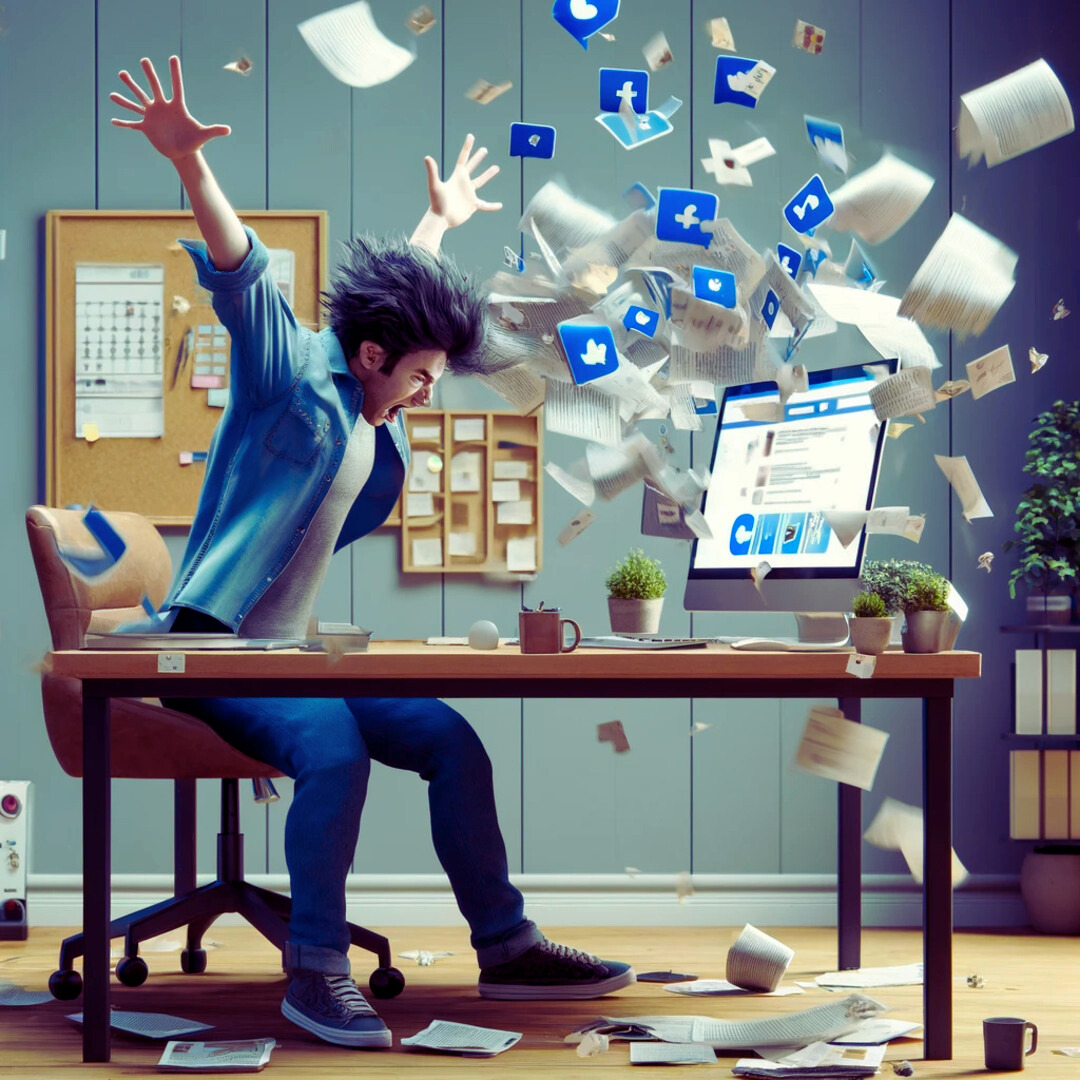
I’m exhausted. psassination of Charlie Kirk on September 10, 2025. Kirk, a prominent conservative voice and founder of Turning Point USA, was gunned down during a campus event in Orem, Utah, by 22-year-old Tyler Robinson, who prosecutors say targeted him for his political views. The graphic videos of the attack spread rapidly online, amplifying division and outrage. But what truly drains me is the grotesque celebration that followed—people cheering a man’s death because they disagreed with his politics. This isn’t discourse; it’s dehumanization, and I’m tired from hate on social media.
The Ugly Aftermath of Charlie Kirk’s Assassination
The assassination of Charlie Kirk sent shockwaves through America, but the response on social media was even more jarring. Within hours, platforms lit up with left-leaning users celebrating the tragedy. TikTok videos showed people dancing in glee, X posts declared “One less fascist,” and Reddit threads toasted the event like a victory. One chilling video captured someone cheering the shot in real-time, devoid of shock or empathy. Teachers, nurses, and even public figures joined in, some facing firings or expulsions for their posts. This wave of hate isn’t a fringe phenomenon—it’s a mainstream online reality, and it leaves me tired from hate on social media.
The numbers tell a grim story. Over 100 celebratory posts were documented on X alone, with similar trends on Bluesky and Instagram. The backlash was swift: employers, from airlines to schools, disciplined staff for mocking Kirk’s death, and universities expelled students involved. Yet, the hate persists, fueled by algorithms that reward outrage. I’m tired from hate on social media because it turns tragedy into a spectacle, stripping away humanity in the process.
How Social Media Amplifies Hate and Division
Social media platforms are designed to keep us engaged, but they often amplify the worst in us. The algorithms prioritize controversial content, pushing posts that provoke anger or celebration of violence to the top of feeds. In Kirk’s case, videos of his assassination spread like wildfire, racking up millions of views before platforms like Meta and TikTok could respond. This isn’t new—studies show that negative emotions like anger drive more engagement than positive ones, creating a feedback loop of toxicity. I’m tired from hate on social media because it’s not just a platform problem; it’s a cultural one.
Kirk’s death also sparked a surge in Turning Point USA sign-ups—over 62,000 student requests in a week—showing how hate can paradoxically fuel opposition. His career focused on calling out what he saw as indoctrination in schools, arguing that “woke” education breeds resentment toward American values. The celebrations of his death seem to validate his warnings, with some pointing to the shooter’s messages as evidence of a warped mindset shaped by cultural rhetoric. While it’s too simplistic to blame one syllabus, the broader culture of demonizing dissent doesn’t help. I’m tired from hate on social media because it thrives in an environment where disagreement is equated with evil.
The Hypocrisy of Free Speech Debates
The fallout from Kirk’s assassination has exposed contradictions on all sides. Conservatives, once staunch defenders of free speech, are now calling for takedowns of celebratory posts and even pushing for FCC action against broadcasters like ABC, where Jimmy Kimmel’s monologue blaming “MAGA” led to his show’s indefinite suspension after advertisers and affiliates pulled out. Meanwhile, the left decries these moves as censorship, despite their own history of advocating content moderation. Vice President JD Vance and others have called for consequences, with some even suggesting international repercussions, like barring Canadians who celebrated the death from entering the US.
Yet, there are glimmers of hope. Bipartisan voices, including Barack Obama and Ilhan Omar, condemned the assassination and called for unity, with Obama emphasizing the need to protect free speech for all. These moments are rare, overshadowed by the relentless hate machine online. I’m tired from hate on social media because it drowns out these calls for decency, making unity feel like a distant dream.
Why We’re All Tired from Hate on Social Media
The exhaustion isn’t just about Kirk’s tragedy—it’s about the broader state of online discourse. Social media has become a battleground where nuance is dead, and every issue is reduced to “us vs. them.” The celebration of a man’s death, regardless of his politics, reveals a loss of empathy that should alarm us all. Kirk was a fighter for his beliefs, and no one deserves to die for their voice. Yet, the online mob cheered, turning a human tragedy into a political win. I’m tired from hate on social media because it erodes our ability to see each other as people, not enemies.
This isn’t just a political problem; it’s a human one. Studies estimate that 60% of US adults have experienced online harassment, and the constant exposure to hate takes a toll on mental health, with increased rates of anxiety and depression linked to social media use. The platforms profit from our outrage, but we pay the price. I’m tired from hate on social media because it feels like we’re all trapped in a cycle we didn’t choose but can’t escape.
How Do We Break the Cycle of Social Media Hate?
So, how do we move forward? I’m tired from hate on social media, but I’m not hopeless. Change starts with us. Here are practical steps to combat the toxicity:https://www.reddit.com/
- Demand Platform Accountability: Push for transparency in algorithms and stricter moderation of violent content. Platforms must prioritize human dignity over engagement metrics.
- Foster Real Dialogue: Engage with those who disagree, not to win, but to understand. Offline conversations can rebuild the empathy social media strips away.
- Support Mental Health: Recognize the toll of online hate and seek balance—limit screen time, curate feeds, or take breaks to recharge.
- Amplify Unity: Share stories of bipartisan condemnation, like those from Obama and Omar, to remind us that common ground exists.https://theinfohatch.com/charlie-kirk-and-the-9-11-anniversary-america/
We can’t erase hate overnight, but we can refuse to fuel it. I’m tired from hate on social media, and I know I’m not alone. Kirk’s death is a wake-up call—a chance to reject the toxicity and rebuild a culture that values humanity over headlines. Let’s start by logging off, taking a breath, and remembering what connects us. Because if we don’t, the next tragedy will only deepen our exhaustion.
1 thought on “Tired from Hate on Social Media: The Charlie Kirk Tragedy Exposes America’s Online Toxicity”