

For many years, countries such as India, Australia, the United States, the United Kingdom, and Japan have been the preferred destinations for Nepali students pursuing higher education abroad. In recent years, however, China has gained increasing attention as an attractive alternative.
Several factors are driving this interest. Chinese universities now offer internationally recognized degrees, affordable tuition, generous scholarship opportunities, expanding English-language programs, and world-class research facilities. At the same time, China’s growing economic influence and closer educational cooperation with Nepal have encouraged more students to explore opportunities there.
Whether you plan to study medicine, engineering, business, or artificial intelligence, China offers a combination of quality education and affordability that is difficult to ignore. However, studying abroad is a major decision, and students should carefully consider both the benefits and the challenges before applying.
This guide explains why China is becoming an increasingly popular study destination for Nepali students, what it costs, available scholarships, career prospects, and the factors you should evaluate before making your decision.
Why Is China Becoming More Popular Among Nepali Students?

China has invested heavily in its education system over the past two decades. Many of its universities now rank among Asia’s leading institutions, attracting hundreds of thousands of international students each year.
For Nepali students, the main attractions include:
- Affordable tuition compared with many Western countries.
- A wide range of scholarships.
- Modern campuses with advanced laboratories.
- Increasing availability of English-medium degree programs.
- Growing demand for graduates with international experience.
- Opportunities to learn Mandarin, one of the world’s most widely spoken languages.
China’s investment in science, technology, healthcare, and innovation has also strengthened its universities, particularly in engineering, computer science, medicine, and research.
Affordable Tuition and Living Costs
Cost is often one of the biggest concerns for students and parents. Compared with universities in countries such as Australia, the UK, or the US, many Chinese universities offer lower tuition fees while maintaining high academic standards.
Living expenses are also relatively affordable in many Chinese cities, although costs vary depending on location and lifestyle. Students typically spend on accommodation, food, transportation, insurance, and personal expenses.
Many universities provide on-campus housing, which is often more affordable than renting private accommodation.
While studying in China still requires careful financial planning, it can be a more budget-friendly option than several other popular study destinations.
Scholarships Make Studying More Affordable
One of China’s biggest advantages is the wide availability of scholarships for international students.
Popular scholarship options include:
- Chinese Government Scholarships
- Provincial Government Scholarships
- University Merit Scholarships
- Research Scholarships for postgraduate students
Depending on the scholarship, students may receive:
- Full or partial tuition coverage
- Free accommodation
- Monthly living allowance
- Medical insurance
Because scholarship requirements differ between universities, students should carefully review eligibility criteria before applying.
English-Taught Degree Programs

A common misconception is that students must already speak fluent Mandarin before studying in China.
Today, many Chinese universities offer complete undergraduate and postgraduate programs in English, especially in fields such as:
- MBBS
- Engineering
- Computer Science
- Artificial Intelligence
- International Business
- Economics
- Environmental Science
Students can also learn Mandarin during their studies, improving both daily communication and future career prospects.
Popular Courses for Nepali Students
Although students pursue a wide variety of subjects, several courses remain particularly popular.
Medicine (MBBS)
China continues to attract international medical students because of its well-equipped teaching hospitals and English-medium MBBS programs. Before applying, students should verify whether the university and program meet the recognition requirements of the relevant authorities in Nepal.

Engineering
Chinese universities are well known for engineering education in civil, mechanical, electrical, software, and electronic engineering. Students benefit from practical training, research opportunities, and exposure to modern technologies.
Computer Science and Artificial Intelligence
As China expands its leadership in artificial intelligence, robotics, and digital technology, universities have strengthened programs in software engineering, cybersecurity, data science, and AI.
Business and International Trade
China’s role in global commerce makes business administration, finance, economics, and international trade attractive options for students interested in global careers.
Admission Process
Although admission requirements vary, the process generally includes:
- Selecting a suitable university and course.
- Preparing academic transcripts and certificates.
- Meeting language requirements if applicable.
- Completing the online application.
- Receiving an admission offer.
- Applying for a student visa.
- Arranging accommodation and travel.
Students should always apply through official university websites or trusted admission channels and avoid unauthorized agents promising guaranteed admission.
Student Life in China
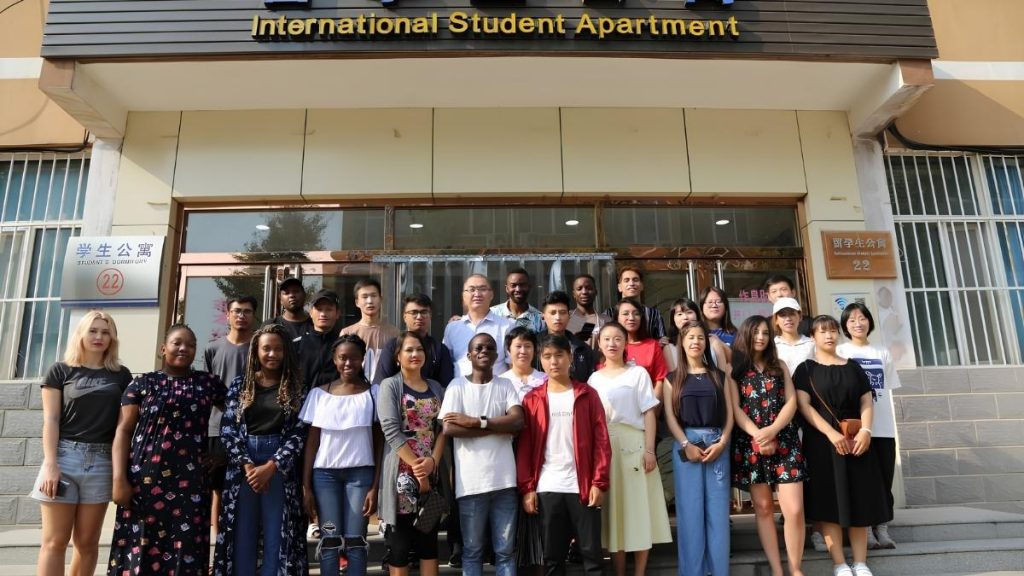
Chinese universities have become increasingly international, with students from across Asia, Africa, Europe, and Latin America.
Most campuses provide:
- Modern libraries
- Sports facilities
- Student clubs
- Research laboratories
- Cafeterias
- International student support offices
Living in China also allows students to experience a different culture, cuisine, and language while building friendships with people from around the world.
Career Opportunities After Graduation
Graduating from a recognized Chinese university can open opportunities in both Nepal and international markets.
Possible career paths include:
- Multinational companies
- Information technology
- Engineering firms
- Healthcare
- International trade
- Manufacturing
- Research institutions
- Entrepreneurship
Students who develop Mandarin language skills may have an additional advantage in sectors connected with Nepal-China trade, tourism, logistics, and infrastructure.
However, employment opportunities depend on individual qualifications, visa regulations, work experience, and local labour laws.
Challenges Students Should Consider
Despite the many advantages, studying in China is not without challenges.
Students should think about:
Language: Even if classes are taught in English, daily life often requires basic Mandarin.
Cultural Adjustment: Adapting to a new education system and lifestyle can take time.
Internet Restrictions: Some websites and online services commonly used elsewhere may be inaccessible.The Hidden Struggles of Nepali Students in the UK
Recognition Requirements: Professional degrees, especially in healthcare, may require verification or licensing procedures before graduates can practise in Nepal.Is Georgia Safe for Nepali Students? A Complete Guide for 2026
Homesickness: Living away from family can be emotionally challenging, particularly during the first year.
Understanding these factors before applying helps students prepare for a smoother transition.
Is China the Right Choice?

China offers an appealing combination of affordable education, growing international recognition, scholarships, and modern learning facilities. For many Nepali students, it represents an opportunity to gain a quality education without the significantly higher costs associated with some Western destinations.
At the same time, students should carefully research universities, compare scholarship options, verify degree recognition, and consider their long-term career goals before making a final decision.
Choosing the right university is not simply about rankings or tuition fees—it is about finding the institution that best supports your academic ambitions and future career.https://www.edu.cn/
Frequently Asked Questions
Is China a good destination for Nepali students?
For many students, yes. China offers quality education, scholarships, and relatively affordable tuition, but the best choice depends on your course, budget, and career goals.
Can Nepali students study in English in China?
Yes. Many universities offer English-medium programs, particularly in medicine, engineering, business, and computer science.
Is studying in China cheaper than studying in Western countries?
In many cases, tuition and living costs are lower than in countries such as the United States, the United Kingdom, or Australia, though expenses vary by university and city.
Do I need to know Mandarin before applying?
Not necessarily. Many degree programs are taught in English, but learning basic Mandarin can make daily life easier and improve employment opportunities.https://www.zju.edu.cn/english/
What should I check before choosing a university?
Verify accreditation, scholarship options, tuition fees, course language, accommodation, and whether your degree will meet any professional recognition requirements in Nepal.https://english.njmu.edu.cn/
Final Thoughts
China is becoming an increasingly attractive destination for Nepali students because it combines affordability, expanding scholarship opportunities, quality universities, and strong academic programs in high-demand fields. While every student’s circumstances are different, careful planning and thorough research can help you choose the university that best matches your educational goals and future career aspirations.https://stumc.cucas.cn/
1 thought on “Why More Nepali Students Are Choosing China for Higher Education in 2026: Costs, Scholarships & Career Opportunities”