

The world of legal education moves fast, and every year brings fresh news for students planning their future. The 2026 U.S. law school rankings just dropped, giving hopeful lawyers a clear picture of where the top programs stand. These lists help you see which schools shine in areas like job placement, bar exam success, and academic strength. But remember, the best choice always depends on your own goals, budget, and fit.
Law school is a big step. It costs time and money, so knowing the latest details can guide your decisions. This year’s updates show some steady leaders and a few surprises in the order. Let’s break it down step by step so you can understand what changed and how to use this information wisely.
Top Schools in the Latest U.S. News List
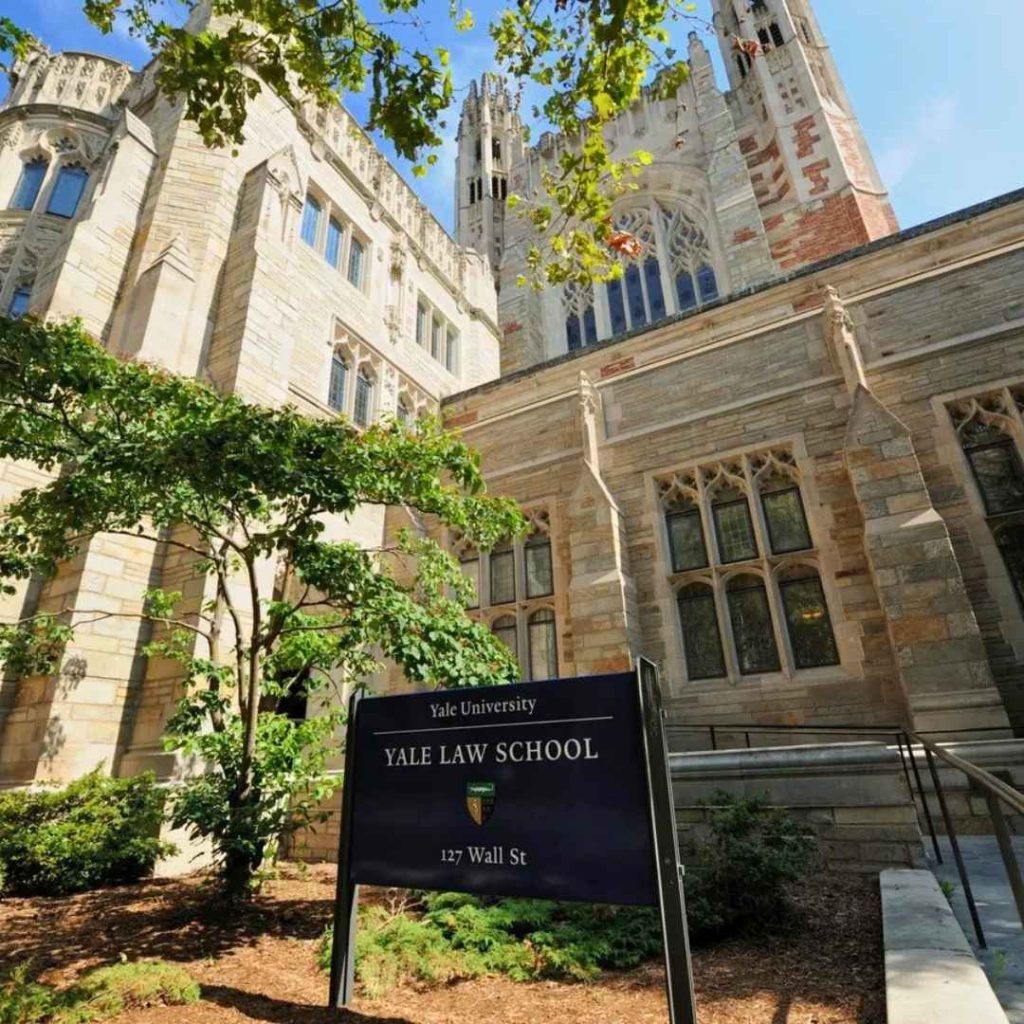
Stanford University takes the number one spot this year. It earns high marks for strong outcomes and resources. Right behind it, the University of Chicago and Yale University share the second position. These three schools often lead the pack because of their excellent faculty, research opportunities, and graduate success.
Next come solid names like the University of Pennsylvania’s Carey Law School. Other strong performers include the University of Virginia, Harvard University, and Duke University. Schools such as the University of Michigan, New York University, and Columbia University also hold steady in the upper ranks.
Many of these programs are part of the famous “Top 14” group. This group has remained fairly stable over time, with only small shifts each year. For example, some schools moved up thanks to better employment numbers, while others adjusted based on new data about student support and bar passage rates.
If you look at the full list on the official site, you will see schools from across the country. Public universities like the University of Michigan often offer great value, while private ones like Northwestern provide strong networks in big cities.
What Changed This Year and Why
Rankings are not set in stone. Small changes in data can move a school a few spots. This year, factors like job placement after graduation and first-time bar exam results played a big role. Schools that helped more students land good jobs saw their positions improve.
Yale, for instance, dropped a bit from its usual top spot in some views, but it still ranks very high overall. Stanford kept its lead by focusing on real-world training and global impact. These shifts remind us that rankings measure specific things, not every part of a great education.
The people who create these lists use surveys from lawyers and judges, plus hard numbers on spending per student and library quality. No single number tells the whole story, but together they give a useful overview.
Other Popular Ranking Systems to Check
Not everyone follows just one list. Another trusted source is the ILRG rankings. These use clear public data from the American Bar Association. In their latest report, Yale comes in first, followed closely by Harvard and Chicago. Stanford sits at fourth, with Columbia, Cornell, and Virginia tying for sixth.
This system looks closely at LSAT scores, grades, and employment rates. It lets you sort schools by different factors, which is handy if you care most about bar passage or low student debt.
Times Higher Education also puts out a global view. Stanford leads their 2026 list for U.S. law programs, with New York University in second and Columbia in third. Harvard and the University of California, Berkeley follow closely. These rankings focus more on research and teaching quality around the world.
Comparing different lists helps you see the full picture. One might highlight job results, while another values academic reputation.
Why These Rankings Matter for Your Career
A high-ranked school can open doors. Many big law firms recruit from the top programs first. Judges often pick clerks from these schools, too. If you want to work in a specific city or field, like tech law in California or finance in New York, the right school can make your path easier.
Still, rankings are just one tool. Plenty of successful lawyers come from schools outside the top 20. What matters more is how well the program matches your needs. Do you want small classes? Strong clinical training? Help with public interest work?
Think about your own strengths, too. A school that fits your learning style will help you do your best work.
How to Pick the Right Law School for You
Start by making a list of what you want. Maybe you need a school with low tuition or one near family. Check the median LSAT and GPA numbers to see if you are a good match for admission.
Visit campuses if you can, or join online info sessions. Talk to current students and recent graduates. Ask about life after classes—what kind of support do they get for jobs or exams?
Look at the cost carefully. Add up tuition, living expenses, and possible scholarships. Some schools offer big aid that changes the real price.
Finally, consider location. A school in a big legal market might give you more chances for internships while you study.
Smart Tips for Your Application Journey
Applications for the next cycle will open soon. Give yourself time to prepare. Take the LSAT seriously and aim for a score that matches your target schools.
Write a strong personal statement that shows who you are. Get letters of recommendation from people who know you well.
Apply to a mix of schools—some reach, some matches, and some safer choices. This balanced list improves your odds.Alpha School Review: An Honest Look at the AI-Powered 2-Hour Learning Model
Stay organized with deadlines. Many schools use a common application system, but each one still has its own rules.https://law.stanford.edu/
Final Thoughts on Your Path Forward
The 2026 U.S. law school rankings give you a helpful starting point. They highlight excellent programs that prepare students for rewarding careers. Use them to explore options, but trust your own research too.
Law school is about more than a number on a list. It is about growing your skills, building connections, and finding work you love. With clear goals and good planning, you can find the program that helps you succeed.