
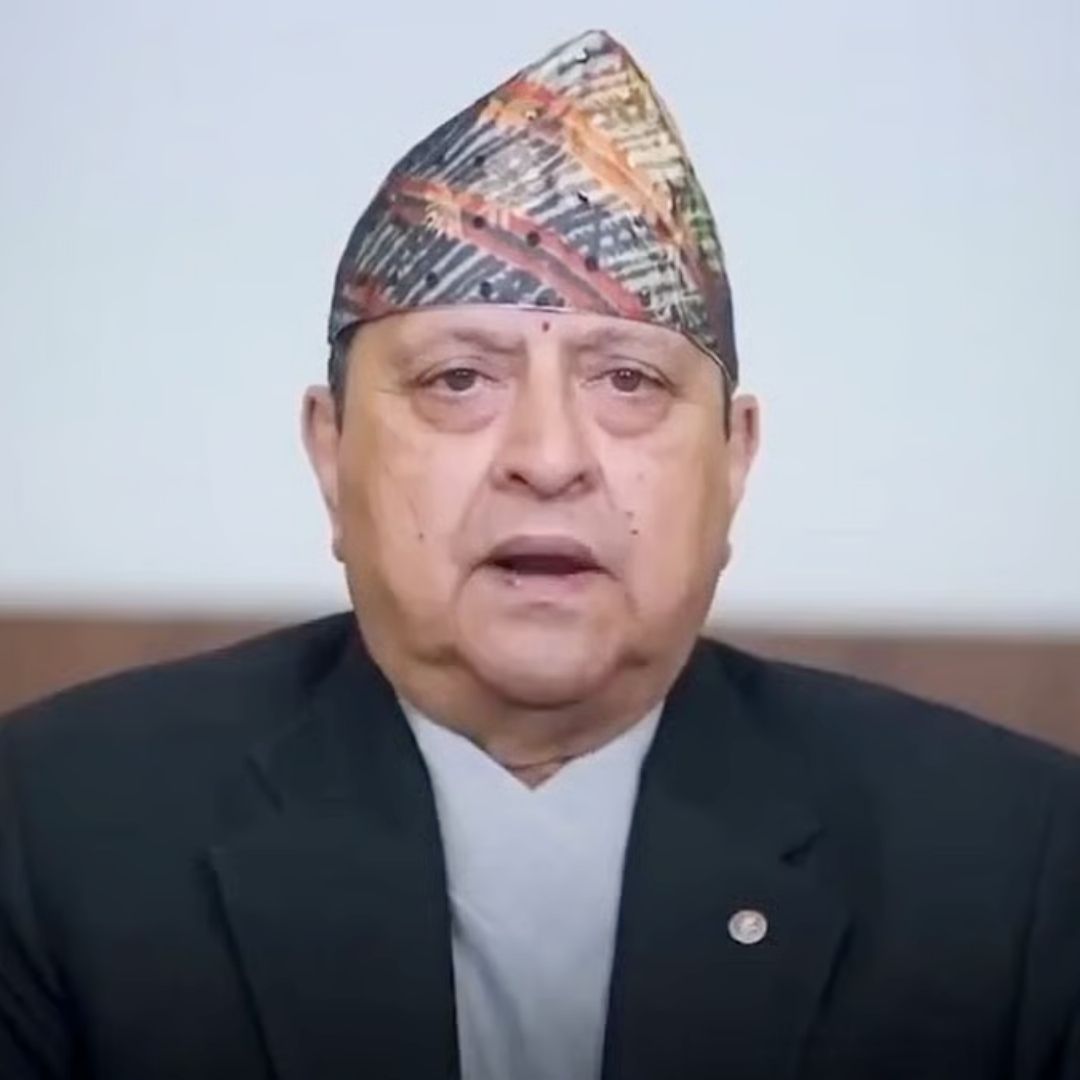
Former King Gyanendra Bir Bikram Shah had given a strong and timely message to the nation. He clearly stated that unity and broad consensus among all political parties is the only way to build a strong and stable Nepal. In his video messages before the March 2026 elections, King Gyanendra warning Nepal crisis stood out as a voice of reason and experience. He cautioned that without all-party understanding, no government could bring lasting peace and stability.
Today, King Gyanendra warning Nepal crisis is proving painfully true. Just one day after rapper-turned-politician Balendra Shah (Balen Shah) was sworn in as the new Prime Minister on March 27, 2026, former Prime Minister KP Sharma Oli and former Home Minister Ramesh Lekhak were arrested on March 28. This KP Oli and Ramesh Lekhak arrest has pushed Nepal into a deeper political crisis and increased tension across the country.
King Gyanendra’s Clear Message for Unity
Before the elections, King Gyanendra repeatedly appealed for national consensus. He said elections alone cannot solve Nepal’s deep problems. He warned that without broad agreement among all sides, the country would face more conflict and unrest even after voting. His message was simple: political parties must rise above narrow self-interests and work together for the nation.
He stressed that dialogue is better than conflict, and unity is better than division. King Gyanendra warning Nepal crisis highlighted that placing national interest first is the only path to long-term peace and prosperity. Many people appreciated his words as wise advice from a leader who has seen Nepal’s difficult journey. However, the political parties held the elections without any serious all-party talks. Now, the results of ignoring that advice are becoming clear.
The Background: Gen Z Protests of September 2025
The current crisis has its roots in the dramatic events of September 2025. Young Nepalis, mainly from the Gen Z generation, came out in large numbers to protest against corruption, poor governance, and a sudden government decision to ban major social media platforms. What began as peaceful demonstrations soon turned violent in several places. Clashes with security forces led to tragic deaths. Reports say around 76 people lost their lives during the protests and the following unrest.
These protests eventually forced KP Oli’s government to step down. Later, an investigative commission was formed to examine the handling of the protests. The commission pointed to negligence and recommended action against those responsible. The demand for justice from victims’ families and the youth grew stronger. At the same time, this process created deep political divisions.
The KP Oli and Ramesh Lekhak Arrest and Its Impact
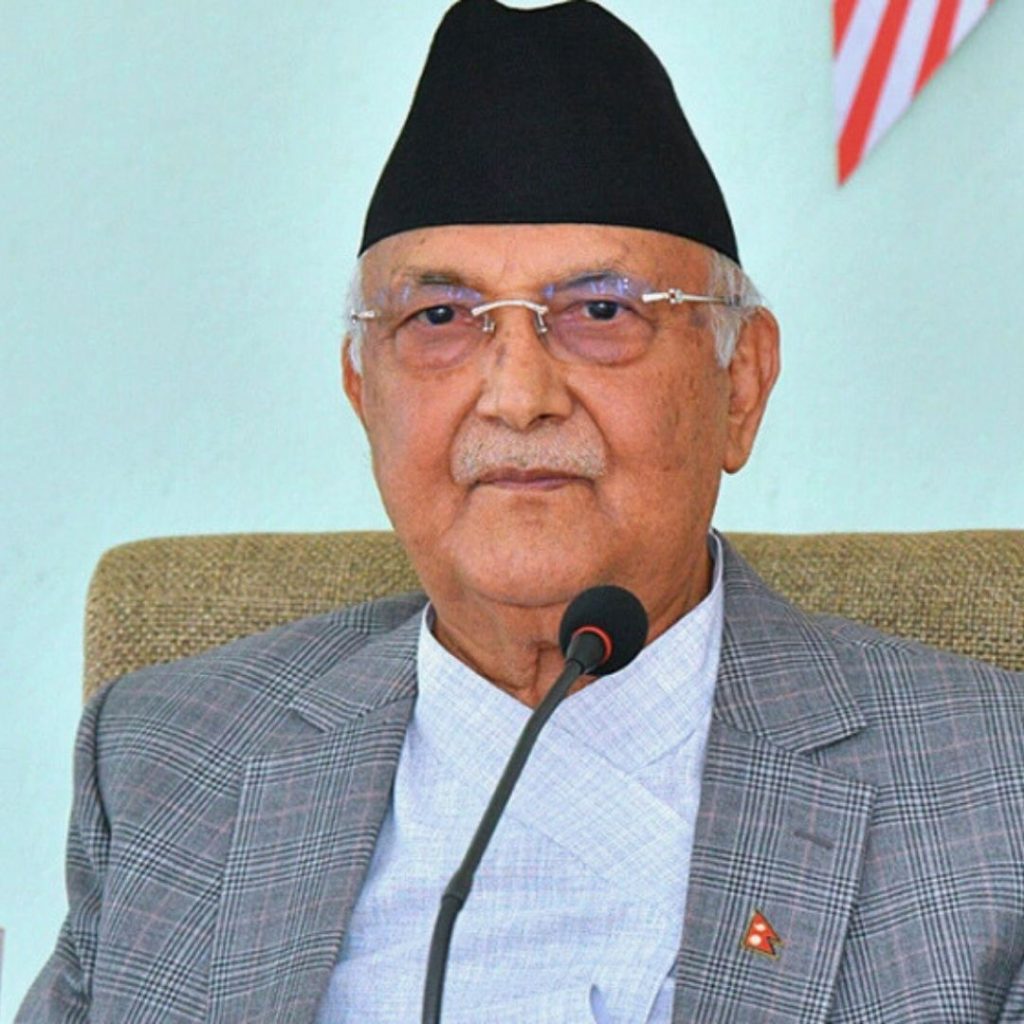
The arrest of KP Oli and Ramesh Lekhak on March 28, 2026, came at a very sensitive time. It happened just hours after the new government under Prime Minister Balendra Shah took charge. Police arrested the two leaders from their residences in the Bhaktapur area. They are being held in connection with the deaths during the 2025 Gen Z protests.
Oli’s party, CPN-UML, strongly criticised the move and called it political revenge. Supporters gathered and expressed anger, saying the arrests were unconstitutional and aimed at weakening opposition voices. On the other side, the new government maintained that it was simply following the law and delivering justice. Home Minister stated that the action was based on legal process, not revenge.
This KP Oli and Ramesh Lekhak arrest has sharply divided the country. Kathmandu and other areas saw increased security presence. Political parties issued strong statements, and social media was filled with heated debates. Many fear that such actions, right at the beginning of a new government, could make the political situation even more unstable.
Why the King Gyanendra Warning Nepal Crisis Matters Today
King Gyanendra warns that the Nepal crisis is now visible in everyday reality. Nepal has suffered from frequent changes in government, broken coalitions, and ongoing political fighting for many years. Each time, development work slows down, investors lose confidence, and ordinary citizens face hardship. Young people feel disappointed, and many leave the country for better opportunities abroad.
King Gyanendra had clearly said that without consensus, stability is impossible. The recent KP Oli and Ramesh Lekhak arrest shows how quickly new tensions can arise after elections. Instead of focusing on governance and reforms, the nation is once again caught in blame games and protests. If this pattern continues, the coming days could become even more difficult.
King Gyanendra’s warning about the Nepal crisis reminds us that revenge and division will not solve problems. What Nepal needs is mature leadership that brings all parties to the table for honest dialogue. True justice should be delivered in a way that all sides see as fair and acceptable.
The Dangers of Ignoring National Consensus
If political leaders continue to ignore the call for unity, the risks are high. More street protests may break out. The economy may suffer further setbacks. International friends and donors may become hesitant to support Nepal. Most importantly, common Nepalis — students, farmers, workers, and small business owners — will bear the heaviest burden.
The Gen Z protests showed that Nepal’s youth are tired of old-style politics. They want real change, accountability, and a brighter future. However, change cannot come only through arrests and counter-accusations. It must come through broad national understanding and cooperation.
The Road Ahead: Choosing Dialogue Over Conflict
The new government led by Prime Minister Balendra Shah has received strong support from young voters. It promised clean governance and fresh leadership. Now is the perfect time to show real statesmanship. Instead of letting divisions grow, the government should invite all major parties for a serious national dialogue on justice, reforms, and future stability.
Political parties must understand that winning power at the cost of national harmony brings no real victory. King Gyanendra’s warning about the Nepal crisis serves as an important reminder even today. Nepal faces many challenges — poverty, unemployment, climate issues, and disaster risks. In such a situation, internal fighting is something the country cannot afford.
The need of the hour is clear: rise above party and personal interests, place the nation first, and move forward with a genuine all-party consensus. Only then can Nepal achieve the long-term peace, stability, and prosperity its people deeply desire.Gen-Z Protesters Storm Nakkhu Jail, Free Rabi Lamichhane
King Gyanendra’s words were not just political advice — they were a sincere call to protect Nepal’s future. The KP Oli and Ramesh Lekhak arrest has made the situation more urgent. If we learn from this moment and choose the path of unity and dialogue, there is still hope. If we ignore the warning again, the crisis may deepen further.
Let us listen carefully to the King Gyanendra warning Nepal crisis and work together to build a better Nepal for all.www.ratopati.com
2 thoughts on “King Gyanendra Warning Nepal Crisis: A Prophecy Coming True”