

What is Chinamaxxing? It’s the quirky, fast-spreading TikTok trend that has millions of people suddenly embracing everyday Chinese habits as a form of self-care, irony, or cultural curiosity. You’ve probably seen the videos: someone cradling a thermos of hot water like it’s liquid gold, a caption reading “turning Chinese tomorrow,” or someone proudly sliding into house slippers the second they step inside while boiling pears on the stove. In just a few weeks in early 2026, this mix of wellness, meme energy, and lighthearted role-play has taken over feeds worldwide.
This playful lifestyle shift blends humor, genuine appreciation, and a touch of rebellion, inviting users to “max” their Chinese routines the same way people once maxed their looks or gym sessions.
Where Did This All Start?
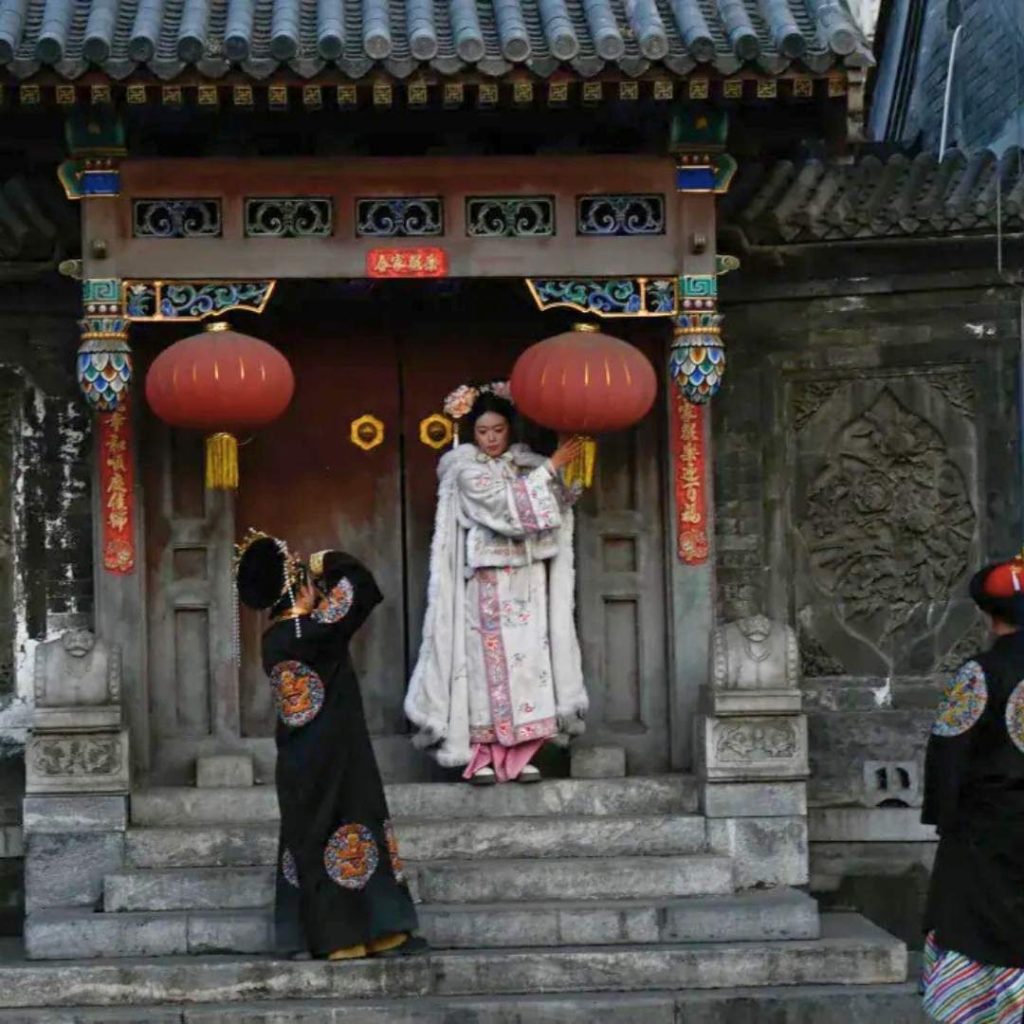
The roots trace back to late 2025, but the explosion happened in January 2026. A big spark came from Chinese-American creator Sherry Zhu, whose lighthearted videos teaching non-Chinese followers “how to become Chinese” racked up millions of views. One standout clip invites viewers to join her for hotpot once they “turn Chinese.” The trend was perfectly timed with Lunar New Year celebrations in mid-February, when the world was already buzzing about Chinese culture.
The term itself mashes “China” with “-maxxing” — internet slang for going all-in on self-improvement, like looksmaxxing or gymmaxxing. Here, it means maximizing your embrace of Chinese habits, aesthetics, and routines, often with a big wink.
What Does It Actually Look Like Day-to-Day?
If you’re diving in, here’s the typical starter pack that’s gone mega-viral:
- Swapping iced lattes for plain hot water (considered a cure-all in many Chinese households)
- Rocking cozy house slippers the moment you walk through the door
- Boil apples or pears with rock sugar for a soothing drink
- Starting mornings with congee instead of cereal
- Practicing simple tai chi flows or gua sha facial massages
- Walking with hands clasped behind your back like retirees in a Beijing park
- Pulling on those viral Adidas Tang-style jackets or retro tracksuits
- Ordering bubble tea “siu tim, siu bing” — less sugar, less ice — or going fully sugar-free
Videos often use the Fight Club-inspired line “you met me at a very Chinese time in my life” or hashtags like #newlychinese and #chinesebaddie. Some creators go deeper with traditional Chinese medicine tips, herbal remedies, or even C-drama recommendations. It’s equal parts aesthetic role-play and genuine self-care experiment.
Why Is This Trend Resonating So Strongly Right Now?
Several forces collided at once. First, Gen Z is craving calm amid burnout culture. Many describe Chinese routines — slow mornings, emphasis on balance, no ice in drinks — as refreshing alternatives to constant hustle and sugary everything. There’s also the soft-power angle: China’s tech, infrastructure, fashion drops, and wellness traditions look increasingly appealing through polished Douyin (Chinese TikTok) filters.
For some, it’s lightly political — a cheeky pushback against Western norms or a way to signal openness during tense times between the US and China. Add in the fun of memes, the thrill of trying something new, and the algorithm pushing feel-good content, and you’ve got a perfect storm.
Chinese and Chinese-diaspora creators have jumped in too, some welcoming newcomers with open arms and hotpot invites, turning the trend into an unexpected cultural bridge.
The Debate: Appreciation, Appropriation, or Something In Between?
Not everyone is cheering from the sidelines. Critics point out that boiling down centuries of tradition into 15-second clips can feel shallow or stereotypical. Some in the Chinese diaspora worry it’s romanticizing daily life while ignoring complexities, or that it reduces culture to a trendy checklist.
Others see genuine curiosity and respect, especially when participants learn the “why” behind practices — like how hot water supports digestion in traditional Chinese medicine or how tai chi promotes mindful movement. Chinese netizens themselves seem split: many laugh along and feel proud of the global interest, while some roll their eyes at the over-the-top versions.
Media outlets from CNN to BBC have covered it as everything from harmless fun to a surprising win for Chinese soft power. The New York Post even called it out for supposedly romanticizing life under certain political systems, showing how quickly lighthearted trends can spark serious conversations.
Could This Last Beyond the Meme Phase?
Trends come and go, but this one taps into something deeper: young people’s desire to explore beyond their own bubble in a hyper-connected world. Whether it evolves into real cultural exchange — learning Mandarin, trying authentic recipes, or understanding history — or fades once the next big thing hits remains to be seen.
For now, it’s sparked joy, debates, and plenty of thermos sales. If your For You page suddenly fills with people doing qigong at sunset or proudly displaying their new indoor slipper game, congratulations — you’ve officially entered a very Chinese corner of the internet. Michael Burry net worth 2025 stands at approximately $300 million

At its best, the trend invites curiosity without demanding perfection. It reminds us that cultures aren’t locked away; they’re living, breathing things people share, remix, and sometimes playfully adopt. So next time someone offers you hot water instead of cold soda, maybe just smile and sip. You might be in a very Chinese time of your life, too.https://www.ctvnews.ca/