

Dawn of Chaos: U.S. Forces Storm Venezuela – Maduro Captured Overnight
The year has barely begun, yet the world has already witnessed a dramatic turn. In the early hours of January 3, U.S. military forces executed a large-scale operation in Venezuela. Precision strikes targeted key installations in Caracas, including Fuerte Tiuna, the heart of the Venezuelan armed forces. President Donald Trump soon confirmed that Nicolás Maduro and his wife, Cilia Flores, had been captured and evacuated to the United States to face long-standing charges of narco-terrorism and corruption. Blackouts gripped parts of the capital, explosions echoed through the night, and the remnants of the Maduro government declared a nationwide state of emergency.
This intervention represents the most direct U.S. military action in Latin America since the 1989 invasion of Panama. While framed as a decisive blow against a criminal regime, the operation opens a Pandora’s box of global consequences. What many see as a regional affair could reverberate across continents, particularly in the Asia-Pacific.
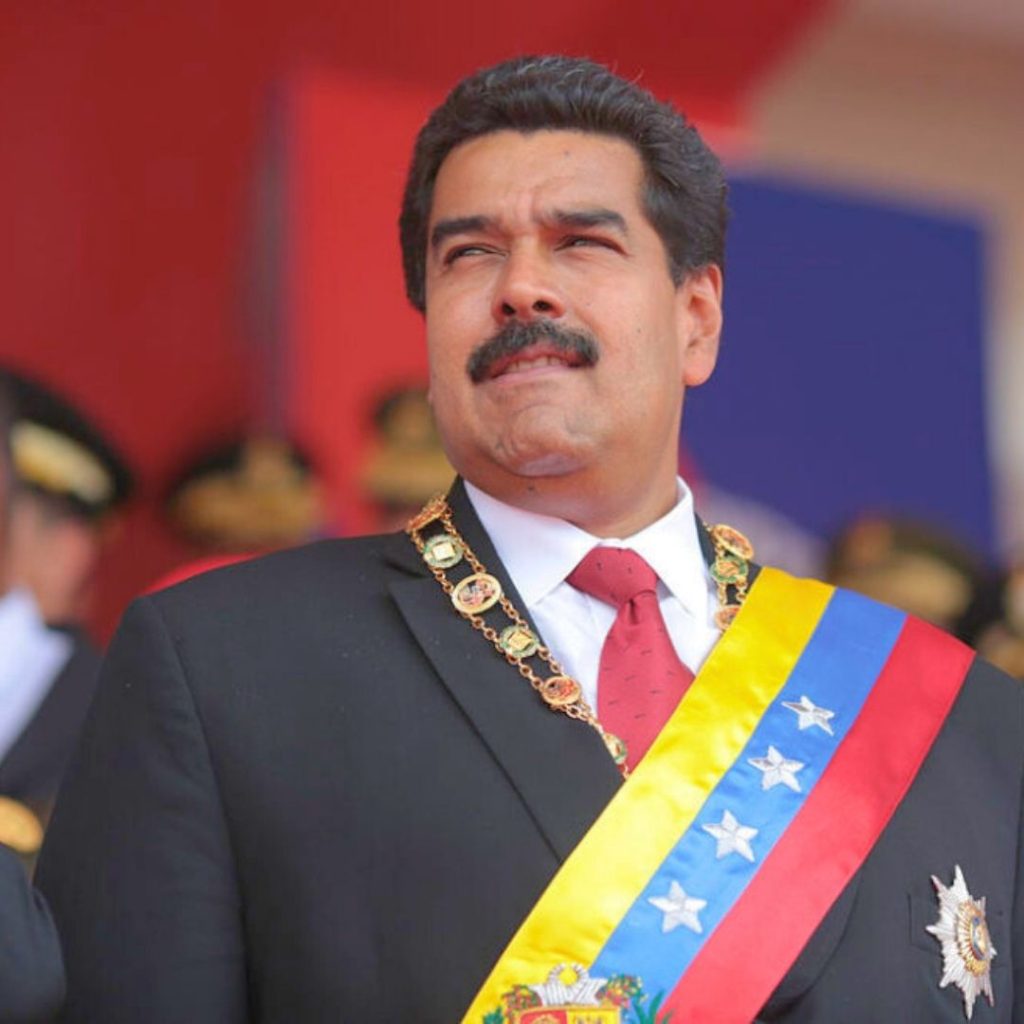
Black Gold Under Siege: Why Venezuela’s Oil Reserves Are a Global Flashpoint
Venezuela possesses the world’s largest proven oil reserves—over 300 billion barrels. Despite years of mismanagement and sanctions, its heavy crude remains highly valuable to refineries built to process it. For more than a decade, China has been the primary destination for Venezuelan oil exports, often purchasing 70-80% of the country’s production. Beijing extended billions in loans-for-oil deals under Hugo Chávez and Maduro, and even after U.S. sanctions tightened, private Chinese companies continued investing in joint ventures and field development.
With Maduro removed, the future of these arrangements is uncertain. A transitional government aligned with Washington could redirect exports, impose new restrictions, or prioritize repayment of Western debts. Chaos and sabotage could further cripple production. Any significant disruption would directly threaten China’s energy security at a moment when global supplies are already strained.
When Energy Runs Dry: How Resource Crises Ignite Great-Power Ambition
History shows that threats to vital resources often reshape strategic calculations. Nations facing shortages or unreliable supplies may accelerate long-held ambitions to compensate for perceived vulnerabilities. China, the world’s largest oil importer, has worked tirelessly to diversify sources—Russia, the Middle East, Africa—but Venezuelan crude remains a cost-effective and politically aligned component of its mix.
A sudden loss of access would not cause immediate collapse, but it would compound existing pressures: slowing economic recovery, rising refining costs, and heightened exposure to market volatility. In such circumstances, leaders may conclude that the risks of inaction outweigh the dangers of bold moves elsewhere.
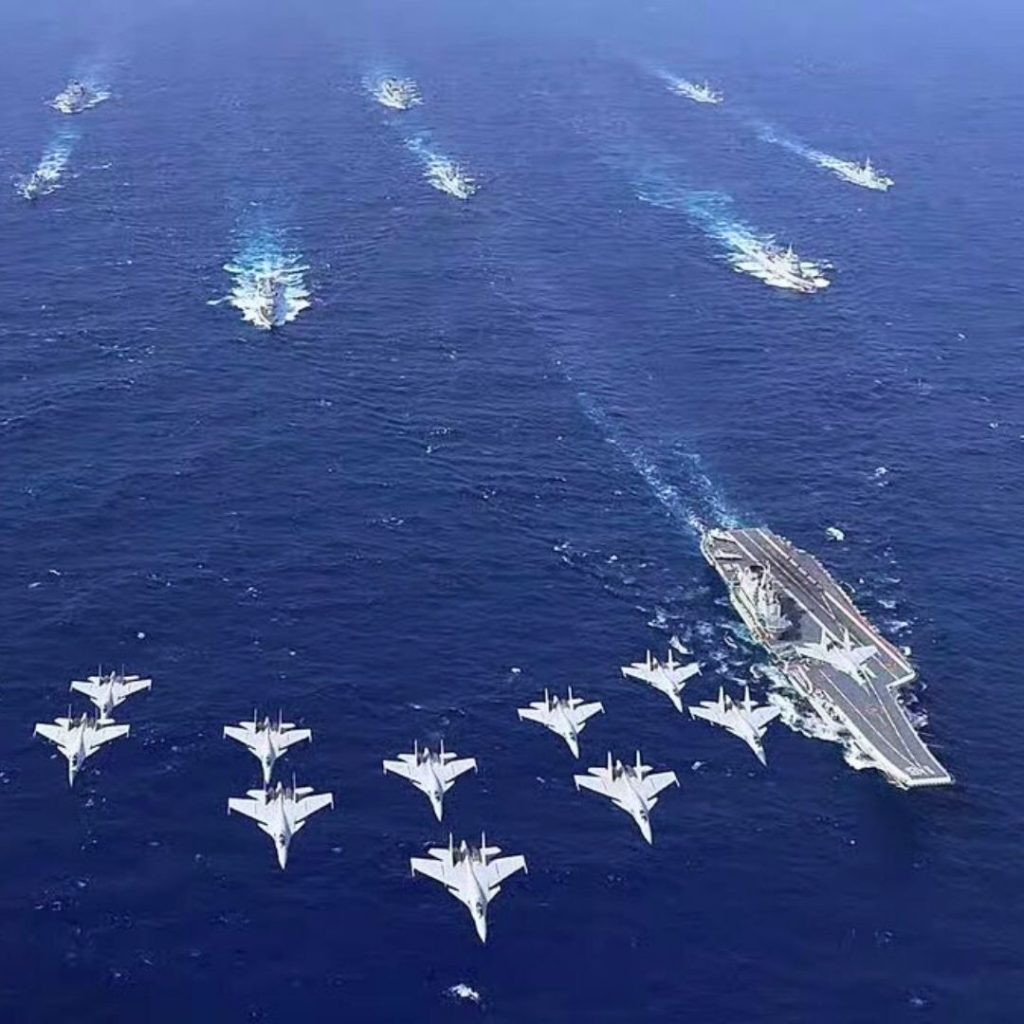
Taiwan Invasion Risk: The Secondary but Most Dangerous Escalation Scenario
While Beijing’s preferred path remains “peaceful reunification,” Chinese leaders have repeatedly stated they will not renounce the use of force. A full-scale Taiwan invasion—though militarily daunting due to the 100-mile strait, Taiwan’s terrain, and U.S. support—remains the ultimate red line for the Chinese Communist Party.
This secondary keyword, Taiwan invasion risk, captures the gravest potential fallout from interconnected crises. Energy vulnerabilities could shorten Beijing’s timeline, pushing leaders to contemplate invasion scenarios they might otherwise defer. Analysts warn that a perceived closing window of opportunity could make the unthinkable more thinkable.
The Taiwan Strait on Edge: Beijing’s Massive Drills Signal No Retreat
Recent years have seen steadily intensifying military pressure: record air incursions, naval patrols, and large-scale exercises. Just days ago, between December 29 and 30, the People’s Liberation Army launched “Justice Mission 2025”—extensive drills simulating a full blockade of Taiwan. Dozens of warships, fighter jets, bombers, and coast guard vessels encircled the island while ballistic missiles were fired overhead.
Taiwan’s President Lai Ching-te described 2026 as a “crucial year” for the island’s defense, vowing never to submit to coercion. U.S. officials condemned the maneuvers as destabilizing while reaffirming commitments under the Taiwan Relations Act.
The Dangerous Link: How Caracas Chaos Could Spark a Taiwan Crisis—or Heighten Taiwan Invasion Risk
This is where the threads connect. A serious disruption to China’s Venezuelan oil lifeline could create a sense of strategic urgency in Beijing. Leaders might perceive a narrowing window to resolve the Taiwan question on their terms—before further U.S. consolidation in the Western Hemisphere or additional sanctions erode China’s position.
An energy squeeze does not directly cause military action, but it can shift risk assessments. Decision-makers might conclude that demonstrating resolve now—through coercion, blockade, or steps that raise Taiwan invasion risk—outweighs waiting. Instability in Venezuela could thus indirectly elevate the secondary but catastrophic Taiwan invasion risk.
Geopolitical analysts have highlighted related risks. Isaac Kardon, senior fellow at the Carnegie Endowment for International Peace, notes that U.S. coercive actions in Venezuela “muddy the waters” and could provide precedent for China to justify interdicting Taiwan-bound vessels. Craig Singleton at the Foundation for Defense of Democracies warns that U.S. blockades could allow China to frame similar measures against Taiwan as legitimate.
The Council on Foreign Relations’ 2026 Preventive Priorities Survey rates a Taiwan Strait crisis as having even odds this year, with Taiwan invasion risk listed among high-impact contingencies.
Iran’s Boiling Point: Another Oil Shock That Could Tip the Scales
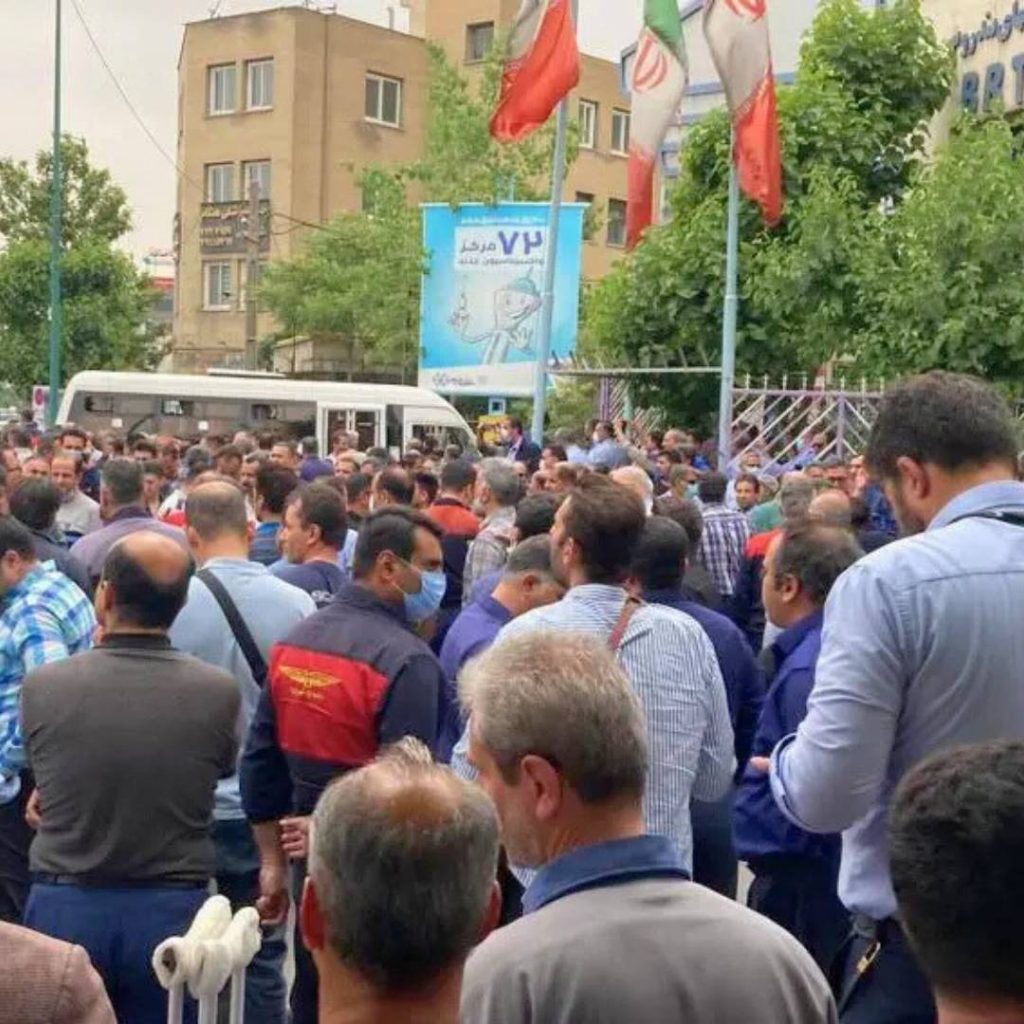
The risks do not stop at bilateral U.S.-China dynamics. Protests have erupted across Iran amid economic collapse and currency freefall. Demonstrators in Tehran and other cities chant against Supreme Leader Ayatollah Ali Khamenei, with reports of fatalities during clashes with security forces.
President Trump has issued stark warnings: any violent crackdown would prompt U.S. intervention to “rescue” the protesters, with forces “locked and loaded.” Tehran has responded defiantly.
A new confrontation involving Iran would further roil global oil markets. Combined with Venezuelan uncertainty, the effect on prices and availability would be severe—and China would feel the impact most acutely. Multiple shocks could amplify pressures, further elevating Taiwan invasion as a secondary escalation path.
A World on the Brink: Why 2026 Feels More Fragile Than Ever
2026 arrives amid a fragmented international order. Russia’s war in Ukraine continues to drain resources and reshape alliances. Conflicts persist in Sudan, Myanmar, and elsewhere. Nuclear shadows loom from North Korea’s tests and Iran’s enrichment program. Multilateral institutions struggle to mediate, while unilateral actions increasingly define great-power relations.https://focustaiwan.tw/
In this environment, miscalculations multiply. A crisis in one region can quickly influence decisions in another, especially when vital interests—including the secondary Taiwan invasion risk—are at stake.
Off-Ramps Exist – But Will Leaders Take Them?
None of this is inevitable. Diplomatic off-ramps exist. A stable, inclusive transition in Venezuela could preserve some oil flows while addressing humanitarian concerns. China could accelerate diversification or negotiate new arrangements. Quiet channels between Washington and Beijing—though strained—remain open. Strengthened deterrence and clear red lines can also prevent adventurism.
Yet early indicators offer little comfort. Military posturing continues, inflammatory statements dominate headlines, and trust between major powers sits at historic lows.
Final Warning: One Intervention, Thousands of Miles of Risk
As we examine how the Venezuela crisis could trigger a Taiwan conflict, the central insight is profound interdependence. Events in Caracas are not confined to Latin America; oil politics link them to strategic calculations in Beijing and security dilemmas in the Taiwan Strait—including the secondary risk of a Taiwan invasion. One bold intervention can set off a chain of events leading to far graver confrontations thousands of miles away.
2026 has opened with shock and uncertainty. Whether it becomes defined by cascading crises or cautious management depends on choices made in capitals worldwide. For now, the world watches warily, aware that today’s gambles in one hemisphere could ignite tomorrow’s conflicts in another. Dearborn Mosque Dispute: A Clash Over Sound Divides a Community
1 thought on “How the Venezuela Crisis Could Trigger Taiwan Conflict: The Hidden Chain Reaction Threatening Global Peace in 2026”