

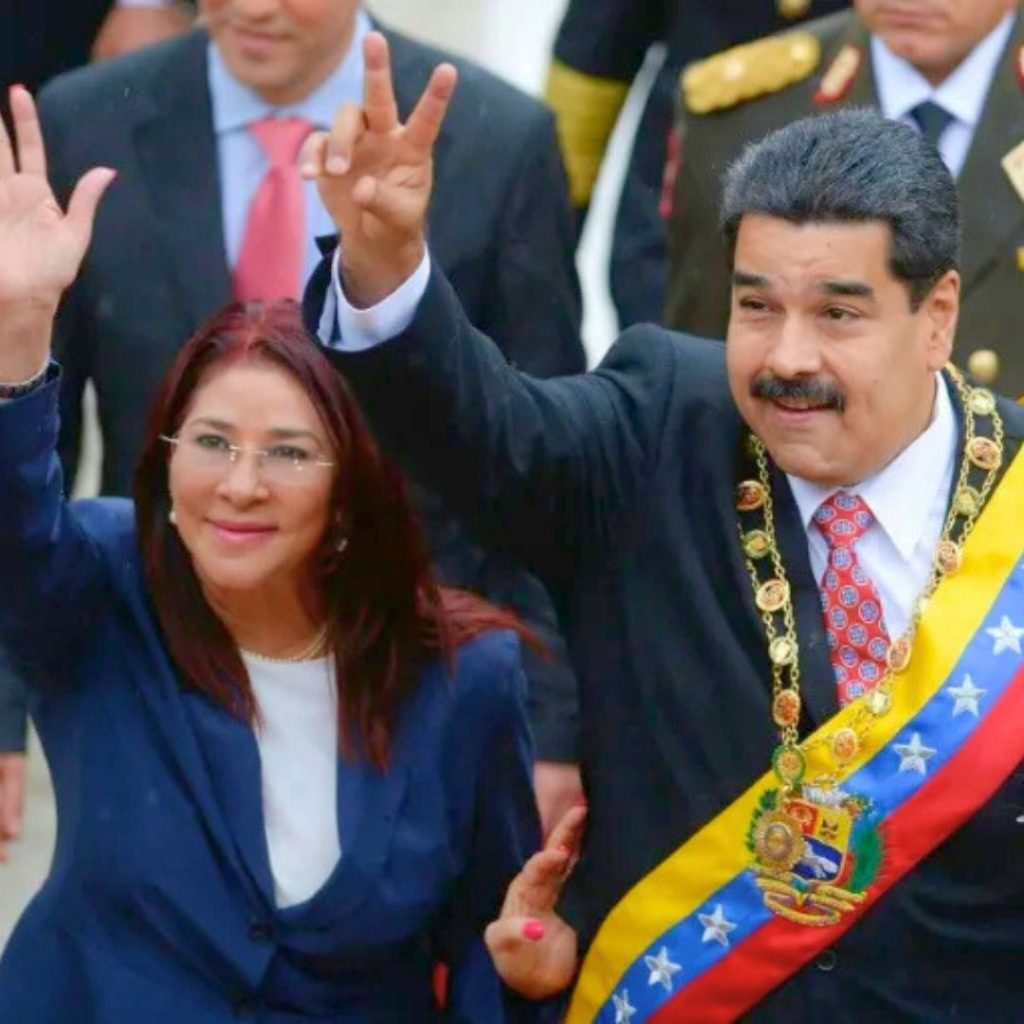
The dawn of January 3, 2026, brought an unprecedented chapter in international relations and legal accountability. In the early hours, a series of explosions echoed across Caracas, Venezuela, marking the execution of a U.S.-led military operation that resulted in the capture of President Nicolás Maduro and his wife, Cilia Flores. President Donald Trump announced the success of this “large-scale strike,” stating that the couple had been apprehended and removed from Venezuelan soil. This development paves the way for what promises to be one of the most-watched legal proceedings in modern history: the trial of Maduro in the United States.
For years, U.S. authorities have accused Maduro of orchestrating a “narco-terrorism” network, charges that carry severe penalties under American law. With Maduro now in custody, the focus shifts decisively to the courtroom, where prosecutors will seek to hold him accountable for alleged crimes spanning drug trafficking, corruption, and undermining regional stability. This trial of Maduro represents not just a personal reckoning but a broader statement on international justice and the limits of sovereignty when faced with criminal indictments.
In this comprehensive analysis, we delve into the events leading to the capture, the legal foundations for the upcoming trial of Maduro, the role of key U.S. figures like Secretary of State Marco Rubio, global reactions, and the potential ramifications for Venezuela and beyond. As Trump prepares to elaborate in a Mar-a-Lago press conference, the world awaits clarity on how this high-stakes prosecution will unfold.
The Capture: A Precision Operation Ends an Era
The operation unfolded swiftly in the predawn darkness. Eyewitnesses in Caracas reported multiple explosions—estimated at seven or more—targeting strategic military sites. Smoke rose from Fuerte Tiuna, Venezuela’s premier military complex, often associated with high-level leadership, and La Carlota air base, a central airfield in the capital. Low-flying aircraft neutralized defenses, allowing elite U.S. special forces—reportedly including Delta Force—to extract Maduro and his wife from a secure location.
Trump’s Truth Social post confirmed the outcome: a successful strike coordinated with U.S. law enforcement, resulting in the couple’s removal from Venezuela. Venezuelan officials, including Vice President Delcy Rodríguez, expressed uncertainty about their whereabouts and demanded proof of life, while declaring a national emergency and mobilizing forces.
This marks the culmination of months of escalating U.S. actions, from strikes on suspected drug vessels to a coastal drone attack in December 2025. The capture signals game over for Maduro in terms of evading U.S. justice, transitioning the conflict from military pressure to judicial proceedings.
Legal Grounds: The Path to the Trial of Maduro
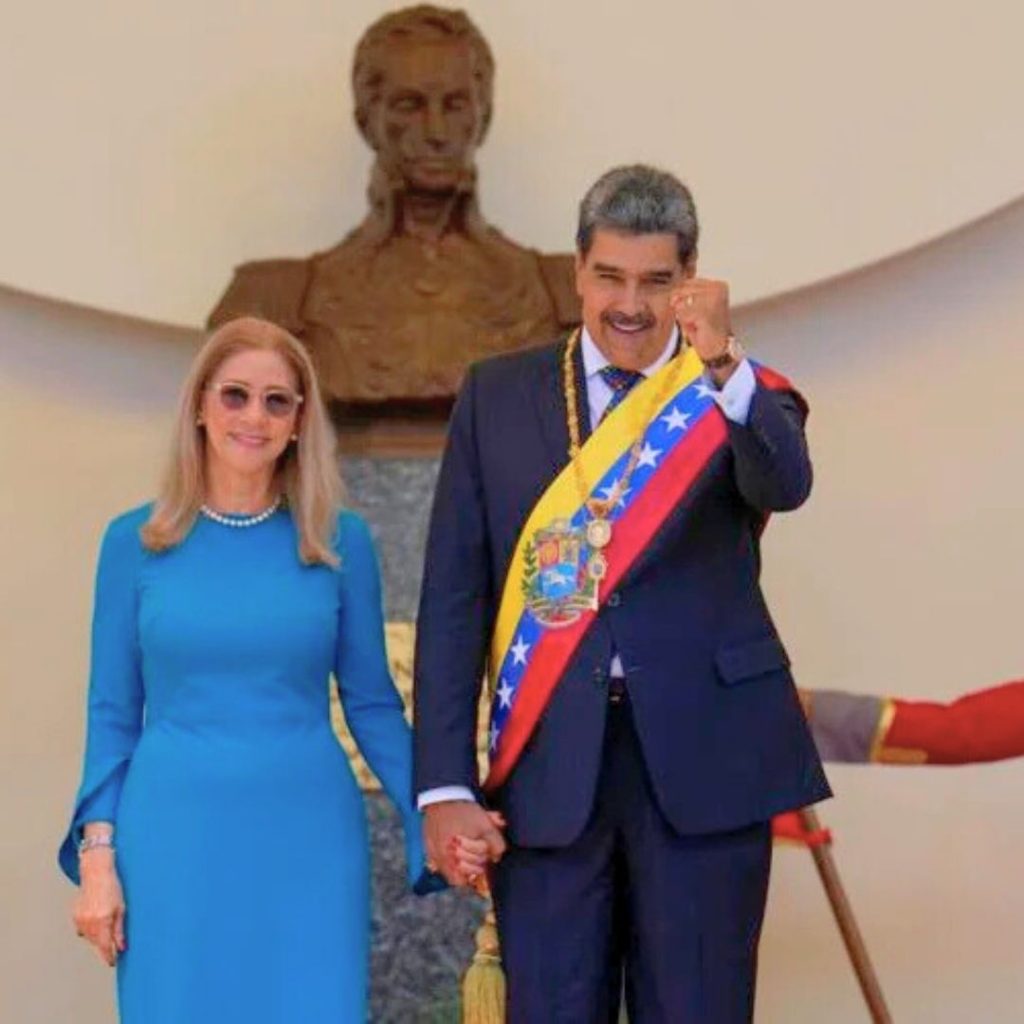
At the heart of this operation lies a 2020 U.S. indictment charging Maduro with “narco-terrorism,” conspiracy to import cocaine, and related offenses. Prosecutors allege he led the “Cartel de los Soles,” a network involving Venezuelan officials in drug trafficking to the United States. A bounty, escalated to $50 million under Trump, underscored the seriousness of these claims.
U.S. officials, including Senator Mike Lee, citing Secretary Rubio, have clarified that Maduro was arrested to face these charges in federal court. The trial of Maduro will likely occur in the Southern District of New York, drawing parallels to the 1989 capture and prosecution of Panama’s Manuel Noriega, who received a lengthy sentence for similar drug-related crimes.
Framing the action as enforcement of an arrest warrant—rather than outright regime change—provides a legal rationale, emphasizing Maduro’s status as an indicted fugitive over a sitting head of state. The U.S. has long refused to recognize his legitimacy post the disputed 2024 election, further bolstering this position.
The upcoming trial of Maduro will involve presenting evidence of alleged partnerships with Colombian rebels and the flooding of drugs into America. Potential outcomes range from conviction with life imprisonment to acquittal, though experts anticipate a rigorous process testing international law norms.
Marco Rubio’s Influence: Warnings and Resolve
Secretary of State Marco Rubio, a vocal critic of Maduro’s regime, played a pivotal role in shaping policy. Rubio has consistently asserted that Maduro lacks legitimacy, providing diplomatic cover for U.S. actions. In briefings to lawmakers, he confirmed the capture’s purpose: bringing Maduro to trial without further military escalation.
Rubio also addressed potential foreign interference, downplaying concerns over Russia and China’s rhetorical support for Maduro. Administration messaging conveyed that no external power could prevent accountability, effectively signaling game over for Maduro despite alliances with Beijing, Moscow, Iran, and Cuba.
This stance deterred direct intervention from Maduro’s patrons, who responded with condemnations but no military countermeasures.
Venezuela’s Crisis: From Collapse to Capture
Maduro’s rule, inheriting Hugo Chávez’s socialist mantle in 2013, oversaw Venezuela’s descent into economic ruin. Once buoyed by oil wealth—the world’s largest reserves—the nation suffered hyperinflation, shortages, and a mass exodus of over 7 million people.
Accusations of election rigging in 2024 intensified U.S. isolation, with recognition extended to opposition figures like Edmundo González. The pressure campaign, including oil blockades and vessel strikes, aimed to dismantle alleged trafficking networks while weakening the regime.
Now, with Maduro removed, succession falls to Rodríguez, but fractures in military loyalty could accelerate change. Opposition leaders, including Nobel laureate María Corina Machado, may gain prominence, offering hope for democratic restoration.
Global Reactions: Division and Debate
The operation elicited polarized responses:
- Allies like Russia, Cuba, and Iran decried it as aggression, calling for UN intervention.
- Figures such as Argentina’s Javier Milei celebrated the development, viewing it as advancing liberty.
- Neutral parties, including Colombia, focused on border security amid refugee risks.
Legal scholars debate sovereignty violations versus warrant enforcement precedents. The trial of Maduro will further scrutinize these issues, potentially influencing future interventions.
The Trial Ahead: Procedures and Implications
The trial of Maduro promises intense scrutiny. Transferred to U.S. custody—location undisclosed for security—he faces charges with maximum penalties of life in prison. His wife encounters separate corruption probes.
Prosecutors must prove ties to drug networks beyond a reasonable doubt, navigating defenses claiming political persecution. International observers may monitor for fairness, given sovereignty concerns.
A conviction could deter similar regimes, reinforcing U.S. counter-narcotics resolve. Acquittal, though unlikely, might embolden critics of American unilateralism.
Broader effects include Venezuelan stabilization efforts, oil market fluctuations, and regional dynamics. Humanitarian aid and transition support could follow, contingent on post-capture developments.
Historical Echoes: Precedents and Lessons
This mirrors Noriega’s case: indictment, capture, and U.S. trial. Unlike protracted conflicts in Iraq or Libya, the focus here is judicial, potentially yielding cleaner outcomes.
Yet risks persist—instability, resistance, or backlash straining hemispheric relations.
Conclusion: A Defining Moment for Justice
The capture of Nicolás Maduro closes a turbulent chapter, opening another centered on the trial of Maduro. For Venezuelans enduring years of hardship, it offers prospects of renewal. For the international community, it tests principles of accountability versus intervention.www.ndtv.com
As proceedings loom, this trial of Maduro may redefine how nations address indicted leaders. With external saviors unable to intervene, it’s clear: game over for Maduro in evading responsibility. The verdict will resonate far beyond the courtroom, shaping legacies in Washington, Caracas, and global affairs. What Is Smoky Mountain Christmas at Dollywood?
The Venezuelan people, resilient amid adversity, merit a future unburdened by past shadows. Whether through this trial emerges lasting justice remains to be seen—but the process has irrevocably begun.