
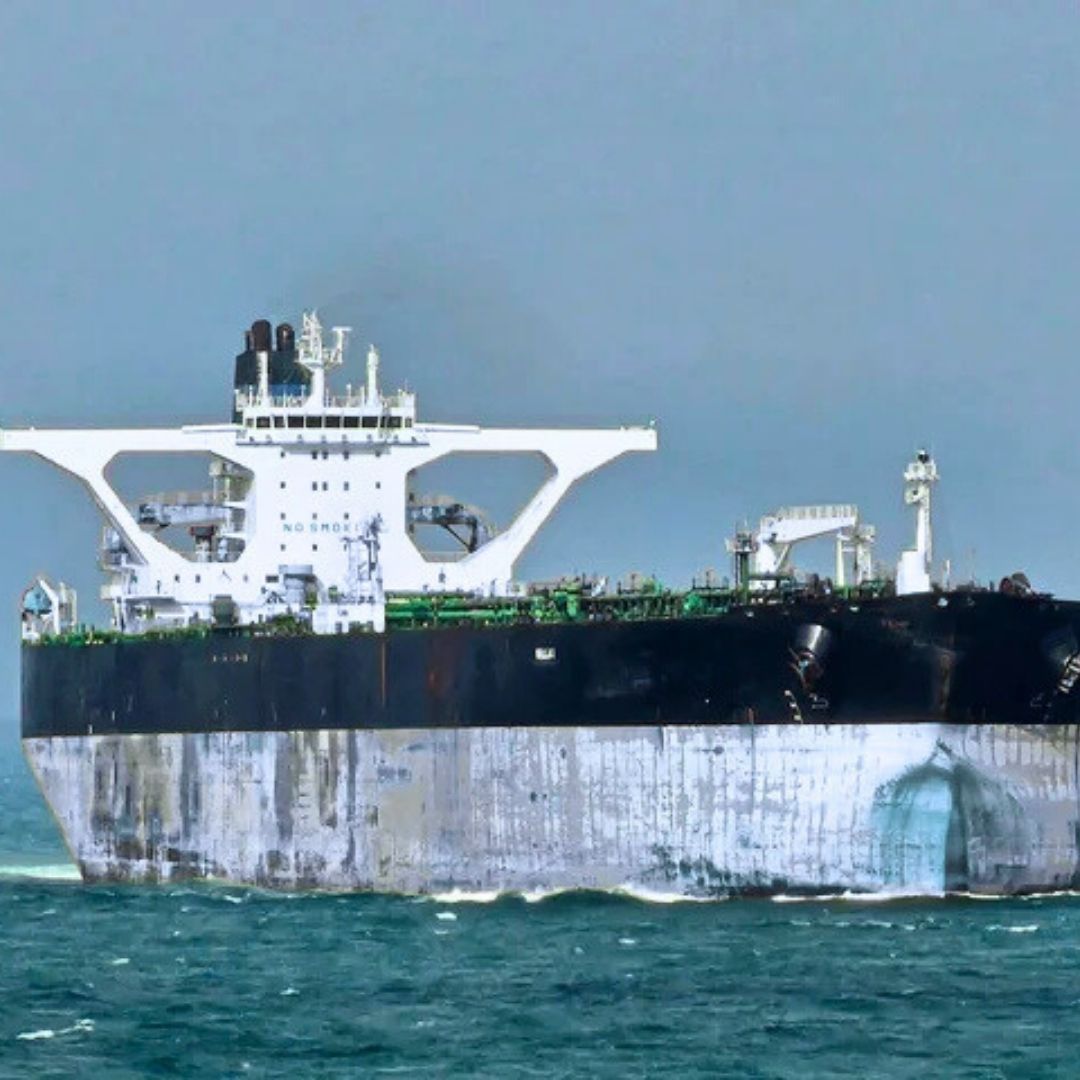
In January 2026, the vast North Atlantic Ocean became the stage for a tense international incident involving the Oil Tanker Marinera. This vessel, formerly known as Bella 1, found itself at the center of a prolonged pursuit by American authorities. The story highlights the complexities of global sanctions, maritime law, and great-power rivalries in an increasingly interconnected world.
The saga began in late December 2025 when the US Coast Guard approached the ship near Venezuelan waters. At that time, it was heading to load crude oil but was suspected of violating American sanctions related to illicit oil trade. The crew refused to allow boarding, citing various reasons, and the tanker quickly changed course, fleeing northward into the open Atlantic. To complicate matters, the vessel underwent a rapid transformation: its name was changed to Marinera, a Russian flag was painted on the hull, and it was registered in the Russian port of Sochi.
This reflagging tactic is not entirely new, but gained attention here due to the high stakes involved. The ship is part of what experts call the “shadow fleet”—a loose network of older tankers that transport oil from sanctioned countries like Iran, Venezuela, and Russia. These vessels often use deceptive practices, such as turning off tracking systems or switching flags, to evade detection and restrictions imposed by the United States and its allies.
The Pursuit Begins
The US operation to seize oil tanker activities intensified as the vessel evaded initial attempts in the Caribbean. American officials obtained a seizure warrant, arguing that the ship was effectively stateless at the time of the first encounter, making it subject to international boarding rules. However, the quick switch to a Russian flag raised legal questions. Under the United Nations Convention on the Law of the Sea, ships in international waters generally fall under the jurisdiction of their flag state, limiting interference from others.
Despite this, US forces persisted. Coast Guard cutters shadowed the tanker across thousands of miles, supported by naval aviation assets like P-8 Poseidon patrol planes. Allied nations, including the UK and Iceland, contributed to monitoring efforts with their own aircraft. The pursuit lasted over two weeks, with the Oil Tanker Marinera sailing empty—no cargo on board—toward potential Russian ports like Murmansk.
Russian state media released footage showing a US cutter trailing closely in rough seas, along with images of helicopters approaching. Moscow responded firmly, deploying a submarine and surface vessels to escort the ship. Diplomatic notes were exchanged, with Russia demanding that the US halt what it called unlawful interference in international waters.
Broader Context: Sanctions and Shadow Fleets
To understand this incident, it’s helpful to look at the bigger picture. The United States has ramped up efforts to enforce sanctions on oil trades involving Venezuela, particularly after political developments there. Similar operations led to the seizure of other tankers, such as The Skipper and Centuries, in recent months. These actions aim to disrupt revenue streams that support regimes facing US restrictions.
The shadow fleet has grown significantly in response to sanctions on Russian oil following geopolitical events. Hundreds of vessels have adopted similar tactics: opaque ownership, frequent flag changes, and spoofed locations. Analysts note that at least 19 sanctioned tankers switched to Russian registries in a short period, suggesting a pattern where Moscow provides a haven for such ships.
The Oil Tanker Marinera case stands out because it directly tests these strategies. If reflagging successfully deters enforcement, it could encourage more vessels to follow suit, weakening sanction effectiveness. On the other hand, aggressive boarding of a claimed Russian vessel risks escalation between nuclear powers.
The Ongoing Operation
As of January 7, 2026, reports indicated that the US operation to seize the oil tanker efforts were actively underway. Anonymous officials confirmed plans for boarding, preferably without force, using methods like helicopter insertions seen in prior seizures. The tanker slowed and changed course near Iceland, possibly reacting to approaching forces.
Russian escorts added tension. Submarines and warships were in the vicinity, though exact distances remained unclear. This created a delicate situation: a confrontation on the high seas could have unpredictable consequences.
Experts debated the legality. Some argued the reflagging was invalid, done solely to evade capture after the initial warrant. Others pointed to maritime norms protecting flagged vessels. Environmental concerns also arose—older shadow fleet ships pose higher spill risks due to age and poor maintenance.
Implications for Global Trade and Diplomacy
This standoff has wider ramifications. It underscores challenges in enforcing sanctions in a multipolar world. Countries like Russia, Iran, and Venezuela increasingly coordinate to bypass Western restrictions, using alternative shipping networks.
For maritime safety, the growth of unregulated fleets raises alarms. Collisions, oil spills, and insurance issues become more likely without standard oversight.
Diplomatically, the incident strains US-Russia relations at a sensitive time. While focused on oil enforcement, it intersects with broader issues like energy markets and international law.
Neutral observers, including European nations near the route, watched closely. The tanker’s path skirted exclusive economic zones, prompting surveillance but no direct intervention.
What Happens Next?
The situation remained fluid on January 7. Some reports suggested boarding attempts were in progress, with helicopters spotted near the vessel. Others noted the tanker continuing northward under escort.
Regardless of the immediate outcome, the Oil Tanker Marinera episode serves as a case study in modern geopolitical friction. It shows how economic tools like sanctions play out on the open ocean, involving not just governments but crews, shipowners, and global supply chains.https://hradecky.denik.cz/
In an era of hybrid challenges—combining law enforcement, military posturing, and economic pressure—such events remind us of the fragile balance in international waters. Freedom of navigation is a core principle, yet so is accountability for evading lawful restrictions.
As tracking data updates in real time and news emerges, the world awaits resolution. Will the US operation to seize the oil tanker succeed, or will Russian protection hold? The answer could influence future enforcement actions worldwide.How the Venezuela Crisis Could Trigger Taiwan Conflict: The Hidden Chain Reaction Threatening Global Peace in 2026
This drama on the waves reflects deeper currents in global affairs: the push for compliance versus resistance through ingenuity. For now, the Oil Tanker Marinera sails on, a symbol of these competing forces.