
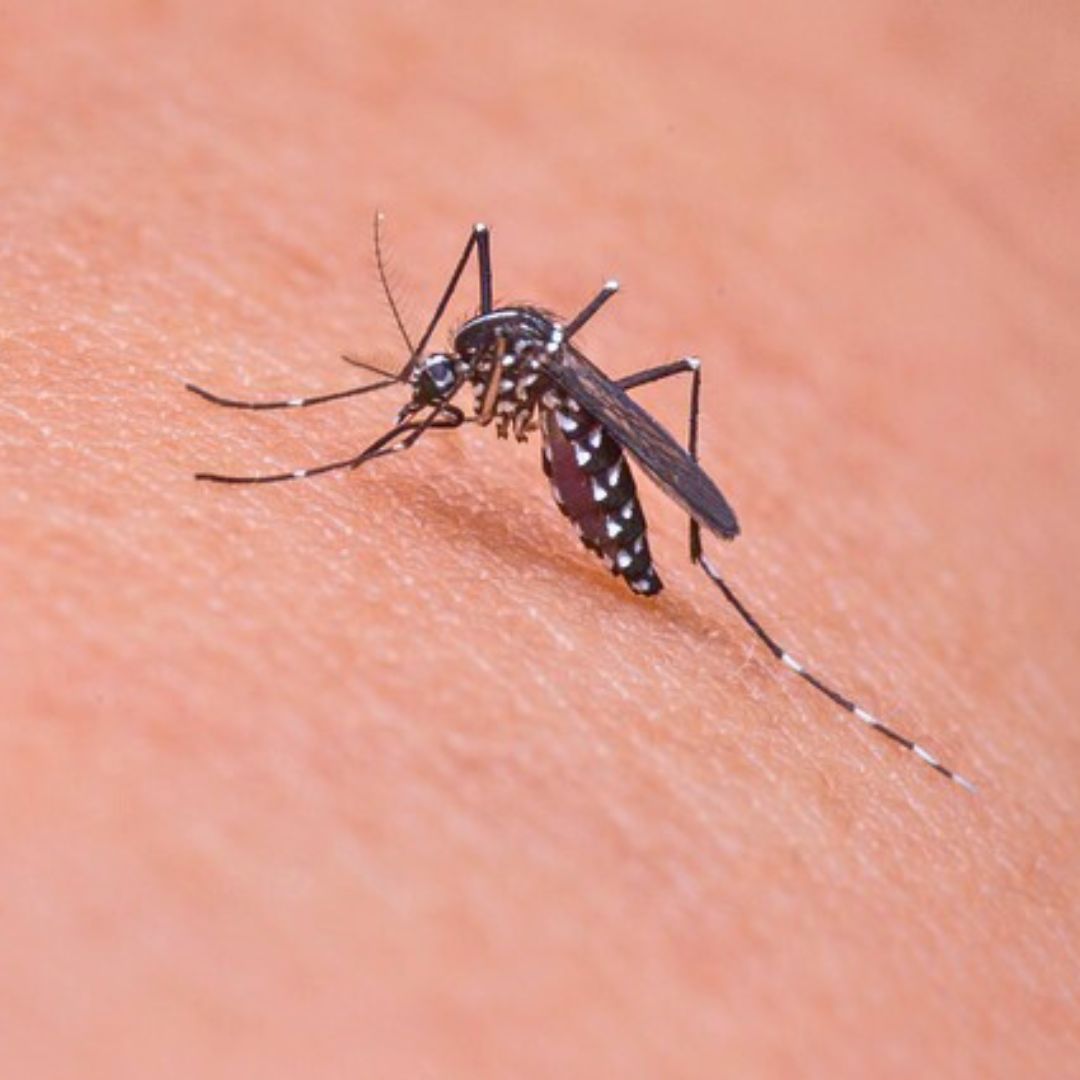
A Shocking Discovery in a Mosquito-Free Land
Iceland, renowned for its icy landscapes and volcanic terrain, has long been one of the few places on Earth—alongside Antarctica—free from mosquitoes. This unique status ended in October 2025 when Björn Hjaltason, an insect enthusiast from Kjós, spotted a female mosquito buzzing in his garden at dusk. Using red wine-soaked ropes to attract insects, he trapped two more over the next two nights: a male and another female. Entomologist Matthías Alfreðsson from the Icelandic Institute of Natural History identified them as Culiseta annulata, a cold-tolerant mosquito common in Northern Europe. For the first time, mosquitoes in Iceland were found thriving in the wild, not just arriving as stowaways on planes or ships.
This discovery marks a significant shift for Iceland, a country where harsh winters and frequent freezes have historically prevented mosquitoes from surviving. The appearance of these insects signals a deeper environmental change, raising questions about what this means for Iceland’s ecosystems and its people.
Climate Change: The Catalyst for Mosquitoes in Iceland
The arrival of mosquitoes in Iceland is closely tied to climate change. This spring, Iceland experienced record-breaking heat, with temperatures soaring up to 18°F above normal in May. These warmer conditions, driven by global warming, have created new opportunities for mosquitoes. Iceland’s ponds, marshes, and wetlands—once too cold for mosquito larvae to survive—now remain unfrozen long enough for breeding. Warmer southern air currents have further enabled adult mosquitoes to endure winters, likely sheltering in basements or barns before emerging in spring.
Iceland is warming at a rate four times faster than the global average, a trend that’s reshaping its environment. Glaciers are shrinking, some vanishing entirely, while southern fish species like mackerel appear in northern waters. The mosquito sighting follows other invasive species, like the louse fly in 2015, hinting at a broader ecological transformation driven by rising temperatures.
Ecological and Health Implications
The presence of mosquitoes in Iceland could disrupt the island’s delicate ecosystems. Iceland’s biodiversity, shaped by centuries of isolation, has evolved without these insects. Mosquitoes could alter food chains by preying on native species or becoming food for birds and bats, potentially destabilizing local wildlife. While Culiseta annulata is not a major disease carrier—capable of transmitting only the mild Tahyna virus, which causes flu-like symptoms—the future is less certain. As temperatures rise, more dangerous species, such as the Asian tiger mosquito, which spreads dengue, Zika, and chikungunya, could find their way to Iceland. Globally, mosquitoes cause over a million deaths annually through diseases like malaria, posing a potential new challenge for Iceland’s unprepared public health system.
Beyond mosquitoes, climate change is reshaping Iceland’s environment. Warmer, more acidic oceans threaten shellfish, while prolonged thaws cause coastal flooding and erosion. Wetlands, vital for rare plants and waterfowl, risk becoming mosquito breeding grounds, as these insects thrive in heat and reproduce rapidly.
Public Reaction and Future Outlook
The news of mosquitoes in Iceland has sparked lively discussions, especially online. Social media platforms are filled with reactions, from humorous memes about swatting pests to serious concerns about global warming. One user posed a poignant question: “Is climate change reshaping even the coldest corners of the Earth?” The mosquito sighting suggests the answer is yes, serving as a microcosm of global ecological shifts.
Scientists are now preparing to monitor Iceland’s ecosystems in spring 2026 to see if these mosquitoes can overwinter and establish a permanent presence. For Icelanders, the days of a bug-free paradise may be fading, with bug spray becoming a new necessity. This discovery, sparked by an amateur’s curiosity and shared through a local insect enthusiasts’ group, underscores the value of citizen science in detecting environmental changes.https://www.ndtv.com/
Conclusion
The arrival of mosquitoes in Iceland is more than a curious anomaly—it’s a wake-up call. Climate change is transforming even the most remote corners of the world, bringing unexpected challenges like invasive species and potential health risks. To protect Iceland’s unique ecosystems and prepare for future threats, swift action is needed: reducing global emissions, safeguarding vulnerable habitats, and investing in research to track species like mosquitoes. Ignoring this warning could lead to consequences that sting far worse than a mosquito bite. Iceland’s buzzing newcomers are a reminder that no place is immune to a warming world, and the time to act is now.https://theinfohatch.com/sanae-takaichi-first-female-japanese-pm-2025/