
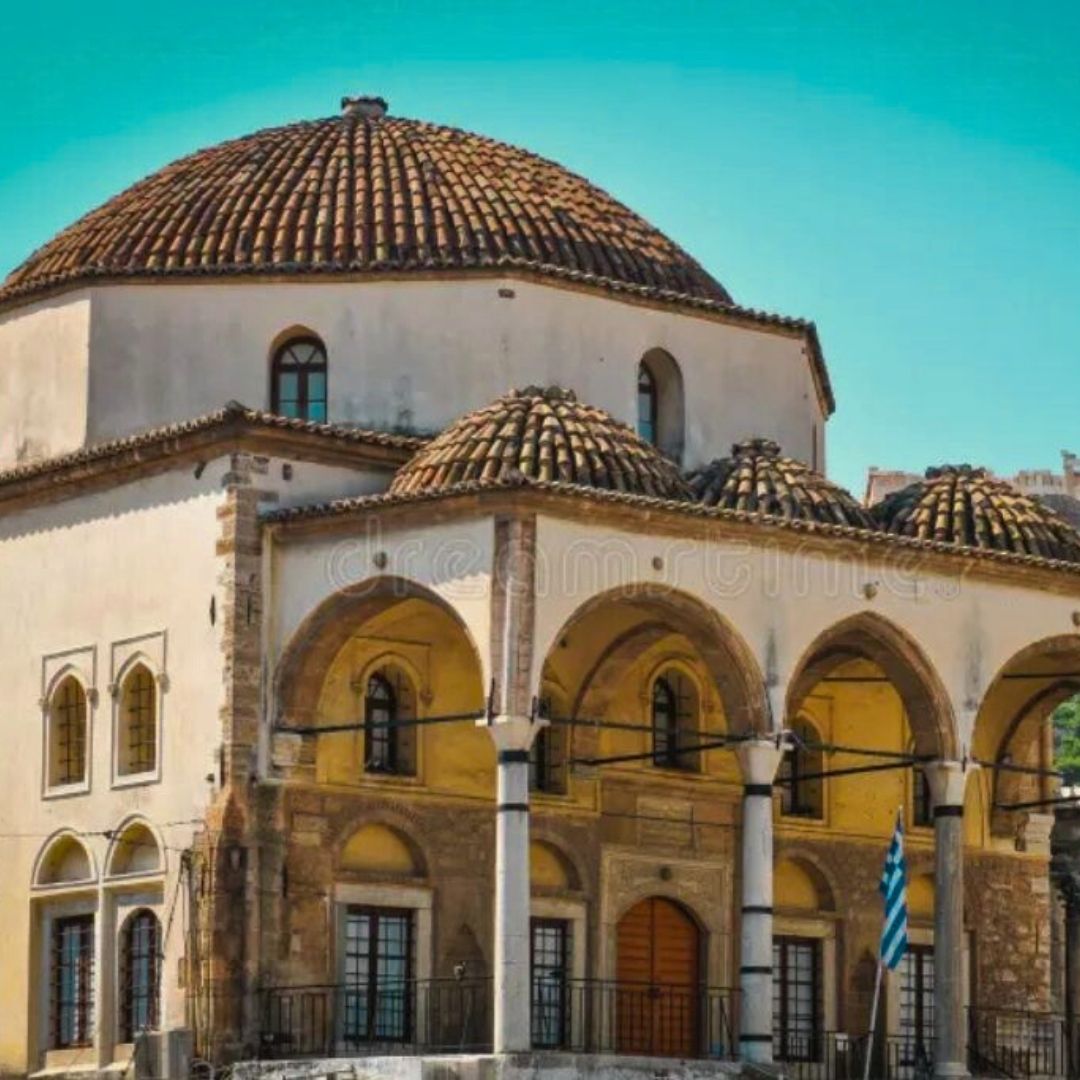
In early February 2026, Greek authorities launched a determined effort to address unlicensed places of worship in the capital. The Illegal mosques Athens crackdown targets informal sites operating without proper permits, many in converted basements, apartments, warehouses, and parking garages. This operation, announced by Minister of Migration and Asylum Thanos Plevris, includes sealing these locations and deporting foreign nationals who run them.
The move follows a recent high-profile case in the Agios Nikolaos neighborhood of Patisia, where a Bangladeshi national’s residence permit was revoked for managing an unlicensed site. A deportation order was issued immediately, setting a precedent for similar actions across Athens. Officials estimate nearly 60 such places continue to function, often lacking essential safety features like proper ventilation, sanitation, or fire protection.
This initiative reflects broader efforts to enforce building codes, urban planning rules, and immigration laws in a city with a growing, diverse population.
Historical Background of Muslim Worship in Athens
Greece has a long history with Islam, dating back to Ottoman times when mosques dotted the landscape. After independence, many structures were repurposed, and the Muslim presence in mainland Greece diminished significantly. Today, the recognized Muslim minority mainly resides in Western Thrace, where hundreds of mosques operate legally under international agreements.
Athens, however, presented a different challenge. For decades, the city had no official mosque, despite waves of migration from countries like Pakistan, Bangladesh, Afghanistan, and others. Muslims relied on private homes, rented rooms, or informal gathering spots for daily prayers, Friday services, and religious holidays.
The absence of formal facilities led to the growth of unlicensed prayer spaces. Earlier reports from the 2010s suggested over 100 such locations existed, though numbers declined due to economic factors, the pandemic, and the eventual opening of a state mosque.
The Opening of the Official Athens Mosque
A major milestone came in 2020 with the inauguration of the Athens Mosque in the Votanikos district. This state-funded facility, managed by the Ministry of Education and Religious Affairs, provides a modern space for Sunni worshippers. It includes prayer halls, community areas, and security measures, but deliberately omits a traditional minaret to address local concerns.
The mosque has served as a legal alternative for many, reducing pressure on informal sites. Still, it cannot meet all needs—especially for those in distant neighborhoods or from Shia backgrounds who prefer closer or different arrangements.
Why Informal Sites Persist and Raise Concerns
With limited official options, migrant communities set up musallas—simple prayer rooms—in available buildings. These function for regular worship but often fail to comply with Greek regulations for public religious venues. Requirements include official permits, safety inspections, zoning approval, and adherence to hygiene standards.
Many of these spaces are tucked away in residential or commercial areas, leading to complaints about overcrowding, poor air quality, inadequate facilities, and potential fire risks. Authorities argue that such conditions endanger users and violate public safety laws.
The recent focus highlights that operators, frequently foreign nationals, may not hold a valid residence status for such activities. This ties the issue to migration enforcement, where non-compliance can trigger permit revocation and removal proceedings.
Details of the Current Illegal Mosques Athens Crackdown
During a parliamentary committee session on immigration legislation in early February 2026, Minister Thanos Plevris outlined the plan. He described a coordinated “sweep” to locate and close unlicensed sites in the Athens municipality, with possible nationwide expansion.
Key elements include:
- Sealing premises in partnership with other ministries.
- Revoking residence permits for operators.
- Issuing deportation orders without voluntary departure periods in clear cases.
- Applying criminal penalties, such as fines or short prison terms, for violations.
Plevris stressed that the policy applies to all illegal places of worship, not targeting any specific faith. He referenced the Patisia case as the model: the site was sealed, the operator faced court, and migration consequences followed swiftly.
The approach aims to ensure every religious venue meets legal standards, protecting both worshippers and the wider community.
Broader Context in Greece’s Migration Policies
This operation fits within the government’s ongoing focus on border security, returns, and integration. Greece has dealt with significant migration flows since 2015, prompting stricter laws on asylum, detention, and undocumented stays.
Recent legislation ties certain violations—like operating unlicensed businesses or venues—to residency status. The minister has emphasized that adherence to Greek law is essential for legal presence in the country.
While the primary targets are operators, closures could temporarily disrupt community prayers until legal alternatives emerge.
Reactions from the Public and Media
News of the Illegal mosques Athens crackdown spread quickly on social media and international outlets. Many online comments welcomed it as a step toward law enforcement, public safety, and fair application of rules. Supporters pointed to safety hazards in informal sites and the need for regulated spaces.
Others expressed concern about potential effects on religious freedom and community life. Some called for more official mosques or easier permit processes to accommodate growing populations. Human rights observers have monitored Greece’s migration measures closely, though specific reactions to this operation remain emerging.
Muslim leaders in Athens have historically advocated for expanded legal facilities to reduce reliance on informal ones.
Potential Impacts and Future Outlook
If implemented fully, the crackdown could eliminate unsafe venues and encourage formal applications for new sites. It might also deter irregular activities tied to migration status.
At the same time, it underscores the need for practical solutions. Expanding the network of permitted mosques or community centers could help meet demand while upholding standards.
For Greece, balancing religious rights with regulatory enforcement remains key in a multicultural capital. The policy signals commitment to the rule of law, but long-term success depends on inclusive approaches that respect diversity.Dearborn Mosque Dispute: A Clash Over Sound Divides a Community
Final Thoughts
The Illegal mosques Athens crackdown marks a decisive response to longstanding issues of unlicensed worship spaces. By prioritizing safety, legality, and compliance, authorities aim to create a more orderly environment in Athens.https://patch.com/michigan/dearborn
As developments unfold, the operation could influence discussions on integration, urban planning, and minority rights across Europe. For now, it highlights the challenges—and opportunities—of managing religious diversity in a modern democracy.