
A Quiet Sunday Turns Chaotic
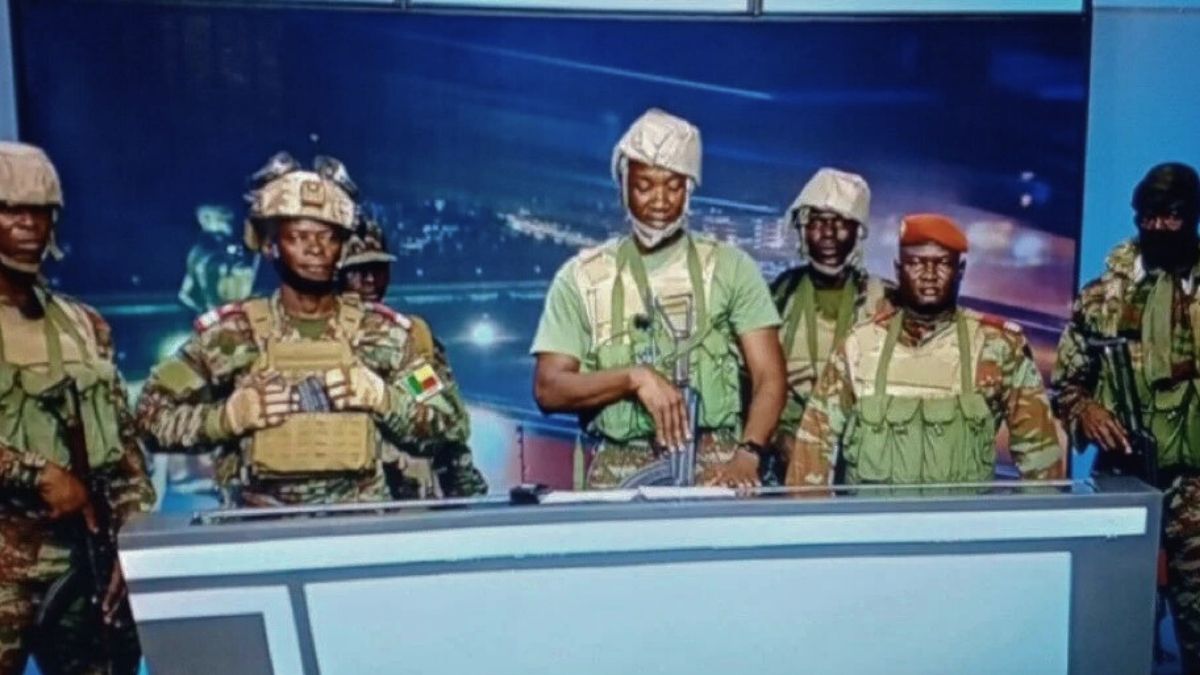
Most people in Cotonou were still asleep when gunfire cracked through the night. At around 4 a.m. on Sunday, December 7, 2025, a small group of soldiers attacked key locations in Benin’s two capitals and stormed the national television station. Within minutes, they were live on air, announcing that President Patrice Talon had been overthrown. For a few terrifying hours, the world watched what looked like the latest West African coup unfolding in real time. By noon, however, the plot had completely collapsed. This short-lived Benin coup attempt became one of the fastest-failed power grabs in modern African history.
Who Is Patrice Talon and Why Do Some Want Him Gone?
Patrice Talon, a 67-year-old cotton magnate turned politician, has ruled Benin since 2016. He swept to power promising to fight corruption and modernise the economy. He delivered new roads, electricity projects, and steady growth, but his style grew increasingly authoritarian.
Opposition leaders were jailed or forced into exile, electoral laws were rewritten to keep rivals off the ballot, and just weeks before the coup attempt, parliament passed a controversial new constitution that extends presidential terms from five to seven years. To many Beninese, especially younger officers who grew up after the democratic transition of the 1990s, Talon’s government began to feel like a soft dictatorship dressed in development rhetoric.
The Soldiers’ Grievances: Jihadists, Neglect, and Broken Promises
While political repression angered civilians, the military had its own list of complaints. Jihadist groups spilling south from Burkina Faso and Niger have turned northern Benin into a war zone. Dozens of soldiers have died in ambushes over the past two years, often with outdated equipment and little public recognition. Families of fallen troops complain that death benefits arrive late — if at all.
On state television, the coup plotters spoke directly to these frustrations. They promised better conditions for the armed forces, justice for martyrs, and an end to government arrogance. Their words clearly resonated with some rank-and-file troops, but not with the top brass or the elite Republican Guard.
Timeline of the Benin Coup Attempt
- 02:30–03:30 – Sporadic gunfire near President Talon’s residence in Porto-Novo and the home of a senior general in Cotonou.
- 04:10 – Armed soldiers enter the national broadcaster (ORTB) headquarters.
- 04:25 – First coup announcement aired live. The group calls itself the “Military Committee for Refoundation” and declares all institutions dissolved.
- 05:00 – Broadcast loops twice before loyal technicians cut the signal.
- 06:30 – Armoured vehicles from loyal units surround the TV station.
- 08:45 – Interior Minister posts a video declaring the mutiny over.
- 11:00 – Presidency confirms Talon is safe and in full control.
- Afternoon – Streets calm, churches reopen, and arrests begin.
Why the Coup Failed So Quickly
Unlike successful coups in Mali, Burkina Faso, or Niger, this Benin coup attempt lacked three essential ingredients:
- No senior officer support – The army chief of staff and most colonels stayed loyal.
- No control of strategic sites – The airport, main barracks, and radio masts remained in government hands.
- No popular backing – No crowds were cheering in the streets; most Beninese were shocked and worried, not celebratory.
Within hours, the plotters were cornered inside the television building. Some surrendered immediately; others tried to flee and were caught in the following days.
Arrests and Lingering Questions
More than 20 people have been detained, including the alleged ringleader, a lieutenant colonel, and several civilians accused of financing or encouraging the plot. Authorities also arrested a handful of foreign nationals, raising speculation — so far unproven — about possible links to juntas in the Sahel.
Investigations are ongoing, but early reports suggest the group was small, poorly equipped, and acting more out of desperation than detailed planning.
What This Means for Benin and West Africa
Benin has now joined the list of countries that have stared down a coup and lived to tell the tale. The rapid response shows that Talon still commands the loyalty of the security apparatus, at least for now. But the very fact that soldiers felt bold enough to try reveals deep cracks: a frustrated military, a polarised society, and a president whose reforms have come at the cost of democratic trust.
Across West Africa, the dominoes keep wobbling. Since 2020, eight successful coups have shaken the region. Each time analysts say “this is the last one,” only for another to follow months later. Benin’s near-miss is a warning that even the region’s most stable democracies are not immune.https://www.ndtv.com/
Final Thoughts
December 7, 2025, could have been the day Benin’s long democratic experiment ended. Instead, it became the day a handful of angry soldiers reminded everyone how fragile that experiment still is. President Talon survived, but the gunfire in Cotonou was a wake-up call. If grievances in the barracks and on the streets are not addressed, today’s failed Benin coup attempt may only be a dress rehearsal for something more dangerous tomorrow.https://theinfohatch.com/wild-mushroom-foraging-california-fatal-poisoning/