
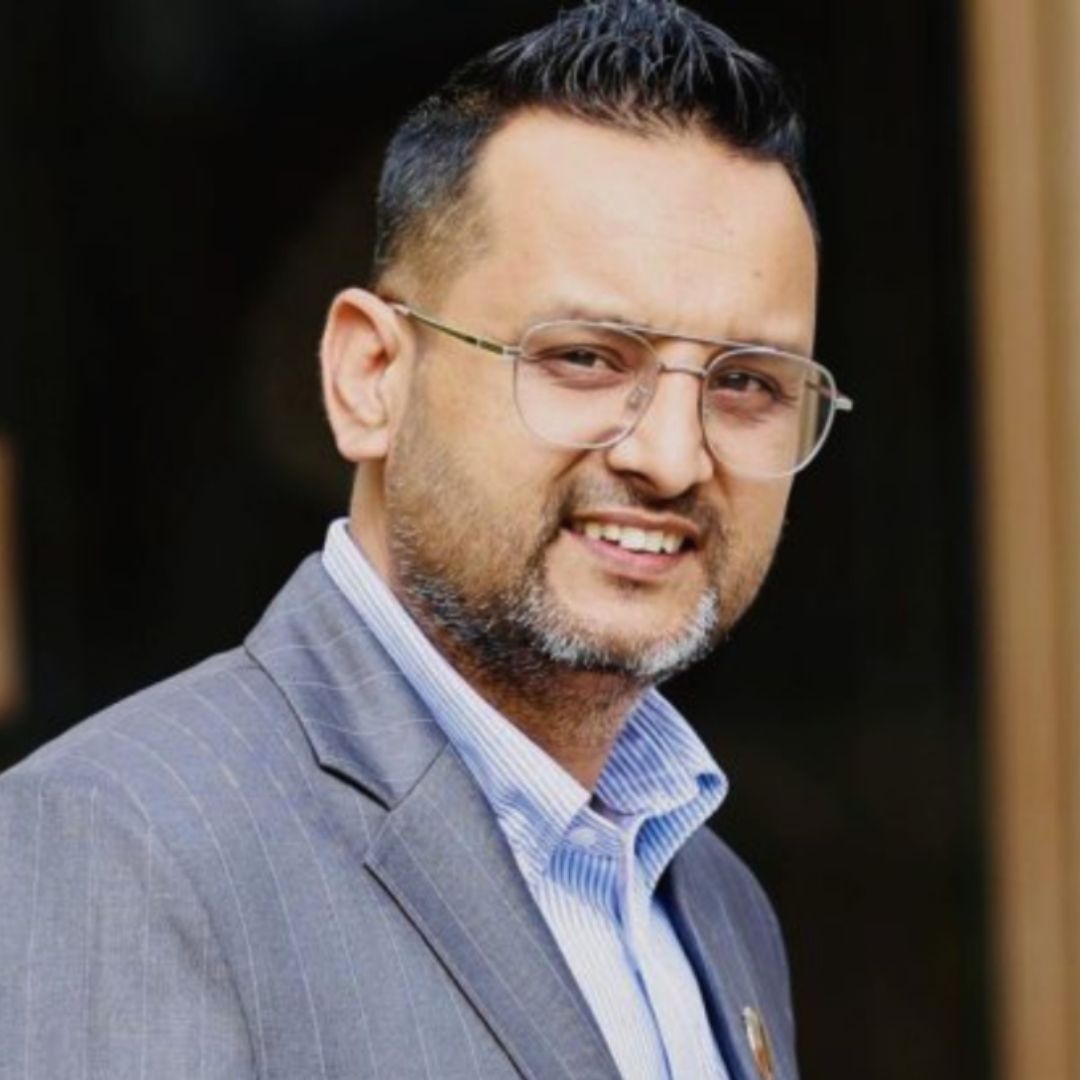
A recent photo has sparked heated discussions across Nepal. It shows Prime Minister Balen Shah’s law advisor, Asim Shah, offering Namaz inside the Parliament premises. This single image has raised many important questions about religious freedom, equality, and the true meaning of secularism in the country.
The Viral Incident
The picture quickly spread on social media. Many people were surprised to see a high-ranking government official praying inside the Parliament building. While every person has the right to practice their faith, the location and timing of this event have created strong reactions.
People are asking simple but serious questions: Is the Parliament complex an appropriate place for individual religious prayers? And if one community can do this, why are others not given the same freedom?
Questions About Religious Equality
Nepal became a secular country in 2007. This change was meant to treat all religions equally. However, the recent event has made many wonder whether this equality actually exists in practice.
If Namaz can be offered anywhere, why do we see demands for more mosques and prayer spaces? At the same time, other religious groups often face restrictions when they try to pray or perform rituals in public places. For example, would authorities allow a group to recite the Hanuman Chalisa inside the Parliament premises? Most people believe the answer would be no.
This difference in treatment is at the heart of the current debate.
Growing Pattern of Public Space Usage
This is not the first time such an incident has happened. In recent years, there have been several cases where open lands, roadsides, and even areas near important temples have been used for Friday prayers. Sometimes traffic gets blocked. Sometimes these temporary prayer spots slowly turn into permanent sites.
Critics call this a planned strategy to claim public land step by step. Supporters argue that Islam permits prayer anywhere. While personal faith should be respected, many citizens feel that public institutions and shared spaces should remain neutral.
The use of the Parliament area has taken this issue to a new level because it is the heart of Nepal’s law-making process.
Concerns Over Government Officials
Asim Shah holds an important position as the law advisor to the Prime Minister. His actions carry extra weight. When a senior government official offers prayers in such a place, it sends a strong message to the public.
Many people believe government buildings, courts, and Parliament should remain free from any specific religious display. This helps maintain trust that the government treats all citizens equally, regardless of their faith.
The Challenge of True Secularism
Secularism does not mean ignoring the majority religion. It means giving equal respect and equal rules to everyone. Currently, many Hindus and Buddhists feel their cultural and religious rights are being slowly reduced while other groups receive more flexibility.
The existence of a separate Muslim Commission is also being questioned. Some argue that in a secular country, there should not be special commissions for one religion only. They suggest it should be dissolved to promote genuine equality.
What Needs to Be Done
The government should take clear steps to address this issue:
- Set clear guidelines for religious activities inside government buildings and public institutions.
- Apply the same rules to all religions without exception.
- Take appropriate action if any official misuses their position.
- Focus on building trust by showing fairness to every community.
Without fair action, people will lose faith in the idea of a “new Nepal.”
Conclusion
The photo of Asim Shah offering Namaz inside Parliament has opened up an important national conversation. It is not against any particular religion, but about consistency and fairness. Nepal is a diverse country with a rich Hindu, Buddhist, and multi-religious heritage. For peace and harmony to continue, the government must ensure that no single group receives special treatment.www.ndtv.com
True secularism will only work when every citizen feels that the rules are the same for everyone. The coming days will show whether the current leadership is ready to address these concerns or will follow the path of previous governments.The Unequal Outrage: Why Silence on Srijana Budha Magar Case Exposes Hypocrisy