
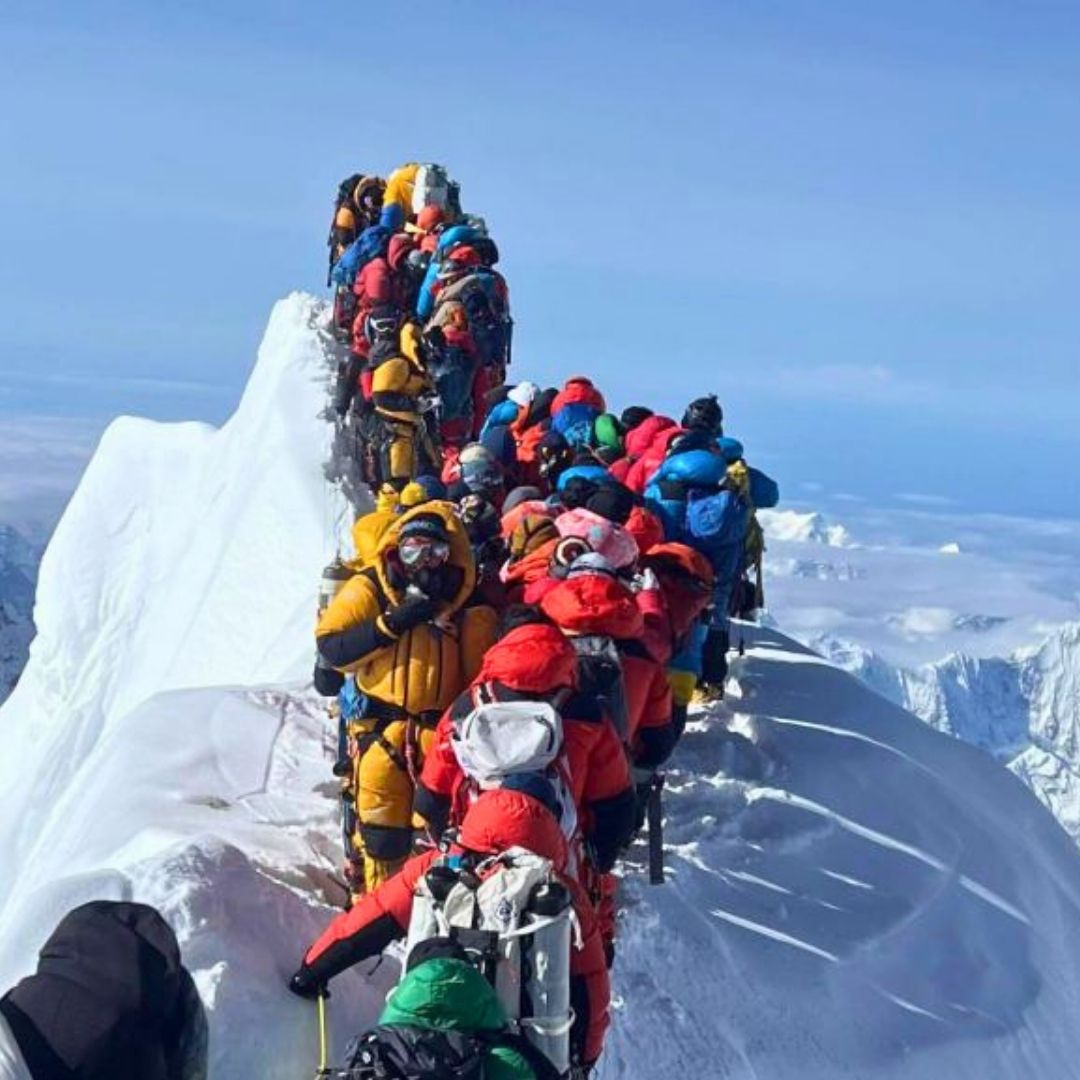
Have you heard the shocking Mount Everest poisoning allegations that spread across the internet recently? In early April 2026, many international news outlets claimed that trekking guides in Nepal’s Sagarmatha region were deliberately mixing harmful substances into tourists’ food. The goal, according to these reports, was to make foreigners sick and trigger expensive helicopter rescues for insurance money. But is this story true? Let’s find out the facts clearly and simply.
What the Media Reported
The Mount Everest poisoning allegations went viral very fast. Several big media houses from India, the UK, and the USA published stories saying guides, trekking agencies, and helicopter companies were running a $20 million fraud racket. They claimed that guides were adding baking soda or other substances to food to create fake symptoms of food poisoning or altitude sickness. This reportedly led to hundreds of unnecessary helicopter evacuations between 2022 and 2025. Some reports even mentioned that 32 people had been charged in connection with this scam.
These poisoning allegations created panic among adventure lovers planning their dream trip to the world’s highest mountain. Many people started questioning whether it was safe to trek in Nepal anymore.
Nepal Police CIB’s Strong Denial
However, Nepal Police’s Central Investigation Bureau (CIB) quickly stepped in and gave a clear response. On April 3, 2026, the CIB officially called the Mount Everest poisoning allegations “completely baseless, misleading, and untrue.”
After a long and detailed investigation, the CIB said they found no evidence of any poisonous substances being mixed in tourists’ food. Senior officers confirmed that while they are investigating some cases of fake helicopter rescues, the serious claim of deliberate poisoning does not exist in their findings. The bureau warned that spreading such false stories harms Nepal’s tourism and its international image.
This clear denial has brought some relief, but the Mount Everest poisoning allegations continue to circulate on social media, showing how quickly unverified news can spread.
The Real Issue: Fake Helicopter Rescues
So what is actually happening? The CIB is indeed investigating a real problem of insurance fraud related to helicopter evacuations. Some operators allegedly exaggerated small health issues, created fake medical documents, and charged insurance companies very high rates for unnecessary rescues. One normal flight from Kathmandu to Lukla was reportedly billed as high as $31,000 instead of the usual $2,500.
The CIB has filed charges against 32 people, including some guides and agency owners. But importantly, these cases are about financial fraud and false claims — not about poisoning tourists. The Mount Everest poisoning allegations appear to be a sensationalized version of this ongoing fraud investigation.
How This Affects Nepal’s Tourism
Nepal depends heavily on tourism, especially in the Everest region. Thousands of trekkers and climbers visit every year, bringing important income to local communities. Negative stories like the Mount Everest poisoning allegations can damage this industry badly. Many travelers have already started canceling their plans after reading these reports.
The good news is that most trekking guides in Nepal are honest, hardworking people who care about their guests. The majority of rescues that happen are real and necessary because altitude sickness is a genuine risk in the high Himalayas.
Tips for Safe Trekking in the Everest Region
If you are planning a trip to Everest Base Camp or higher, here’s what you should do:
- Choose licensed and well-reviewed trekking agencies only.
- Buy good travel insurance that clearly covers high-altitude evacuation.
- Listen to your body and your experienced guide.
- Carry a satellite phone or communicator for emergencies.
- Never hesitate to ask questions if something feels wrong.
Responsible tourism helps both visitors and local people.
Final Thoughts
The Mount Everest poisoning allegations created a lot of unnecessary fear. While there is a real investigation into fake rescue fraud, the shocking claims of deliberate poisoning have been completely rejected by the Nepal Police. This episode reminds us how important it is to check facts before believing viral news.Your Complete Guide to the Southern Lights: When to Watch Aurora Australis in 2025–2026
Nepal’s mountains are still beautiful and worth visiting. With proper planning and the right agency, your Everest trek can be a safe and unforgettable adventure. Let’s support ethical tourism and not let exaggerated stories stop us from exploring one of the world’s most amazing places.https://www.ndtv.com/travel