
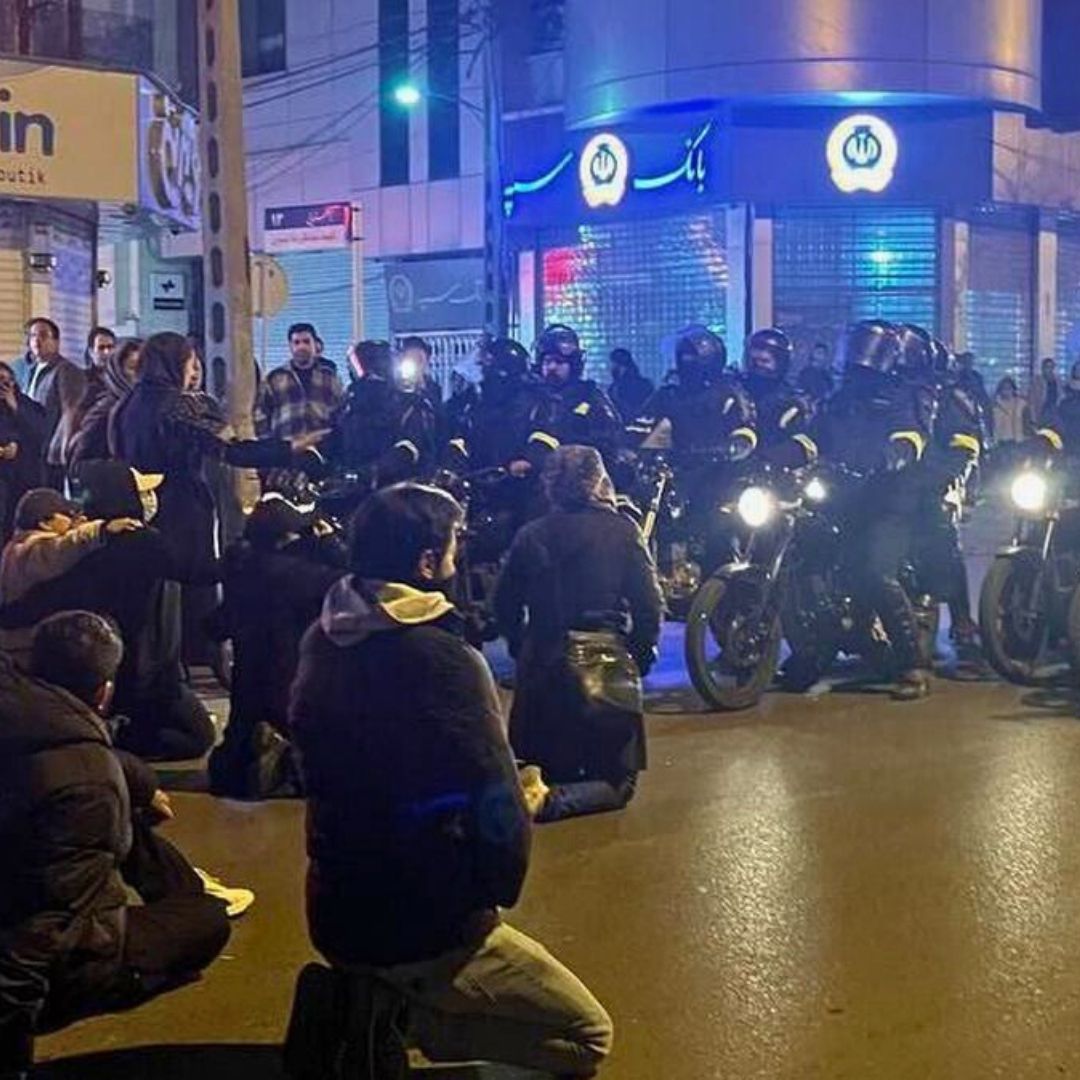
In January 2026, as I follow the dramatic events unfolding across Iran, I am unable to help but feel a profound sense of hope mixed with deep anger. The Tehran uprising has gripped the nation, with massive crowds pouring into the streets of the capital and beyond, chanting against the regime and demanding fundamental change. This is more than economic frustration—it’s a full-throated rejection of the Islamic Republic’s theocratic rule. Yet, while international outlets report on the spreading protests, internet blackouts, and brutal crackdowns, the BBC’s English-language platforms seem to downplay or sideline the story. This BBC bias in Iran coverage isn’t accidental; it’s a deliberate choice that protects a narrative unfavorable to certain ideologies.
The Tehran Uprising: A Nationwide Cry for Freedom
The current wave of unrest erupted in late December 2025, starting in Tehran’s Grand Bazaar, where merchants struck against the collapsing rial and soaring inflation. What began as economic protests quickly transformed into the most significant anti-regime demonstrations since the 2022-2023 Women, Life, Freedom movement. By early January 2026, protests had swept through all 31 provinces, reaching over 100 cities and towns.
In Tehran, the epicenter of this uprising, videos verified by reliable sources show enormous crowds marching through streets, setting fire to regime symbols, and confronting security forces. Chants of “Death to the Dictator” and “Death to Khamenei” echo loudly, alongside calls for freedom and even support for pre-1979 figures. Security forces have responded with lethal force, raiding hospitals, arresting thousands, and imposing a nationwide internet blackout to isolate the country.
Human rights groups report dozens killed, including children, and over 2,000 detained. Supreme Leader Ali Khamenei has accused protesters of acting for foreign enemies like the US and Israel, vowing no mercy for “rioters.” But the people persist. This Tehran uprising represents not just anger over economic misery—exacerbated by sanctions and mismanagement—but a deeper repudiation of the entire system imposed since 1979.

Signs of a Deeper Cultural Shift: The Persian Heritage Revival
Beneath the political demands lies a profound cultural transformation. Iranians are increasingly turning away from the state-enforced version of Islam that has dominated for decades. Official admissions from clerics reveal that attendance at mosques has declined significantly, with many remaining empty or closed, despite government efforts to promote religious observance.
This disillusionment stems from seeing religion weaponized for control, corruption, and repression. Instead, there’s a growing Persian heritage revival. Young people, in particular, are embracing symbols of ancient Persia, such as the Faravahar emblem, and celebrating pre-Islamic traditions with renewed passion. Sites linked to Zoroastrianism—the faith of Persia before the 7th-century Arab conquest—are attracting more visitors as symbols of national identity free from theocracy.
This Persian heritage revival isn’t mere nostalgia; it’s active resistance. By reclaiming their pre-Islamic roots, Iranians assert an identity that predates and transcends the regime’s ideology. Women defy compulsory hijab, youth reject morality police, and crowds attack basij bases—these acts signal a society ready to shed imposed Islamism.
BBC Bias in Iran Coverage: Why the Silence?
Amid this historic moment, the BBC’s handling stands out for its restraint on the main English channels. While BBC Persian provides detailed reporting for Iranian audiences, the flagship news that influences British and global opinion offers limited prominence. Stories appear, but often buried or framed narrowly as “economic protests,” downplaying the anti-regime slogans and calls for overthrow.
This BBC bias in Iran coverage frustrates me deeply. Other outlets—Reuters, CNN, Al Jazeera, The Guardian—lead with the spreading unrest, deaths, and Khamenei’s defiant speeches. Why does the BBC hesitate to highlight a nation rejecting political Islam?
The answer lies in discomfort with the implications. If millions of Iranians Muslims by background are publicly denouncing Islamism, it challenges the UK narrative that criticizing political Islam equates to bigotry. Broadcasting this could validate British concerns about Islamist influences at home, from radical preaching to integration challenges.
The BBC, often critiqued for institutional leanings, appears reluctant to offend certain communities or disrupt multicultural sensitivities. By muting coverage of Iranians leading the charge against theocracy, it shields Islamists from scrutiny. This isn’t impartiality; it’s selective emphasis that prioritizes one story while diminishing another, threatening the preferred worldview.
The Imminent Collapse and Its Global Ripple Effects

The regime teeters. Khamenei, aging and isolated after military setbacks and proxy losses, faces a legitimacy crisis. Protests show no signs of abating despite blackouts and violence. Analysts debate whether change is inevitable, with some seeing regime collapse as possible, though not guaranteed.
If Khamenei falls, the Islamic Republic’s ideology falls with it. Iran could emerge secular, pluralistic, and proud of its Persian heritage revival. Proxies like Hezbollah weaken; regional terror networks crumble. A free Iran rejoins the world economically and culturally.
For the UK and Europe, it delivers a clear message: rejecting Islamism isn’t prejudice—it’s aligning with Iranians themselves. Brits questioning similar influences here would gain powerful validation from a post-theocracy Persia.
Why This Matters to the British Public
The British people fund the BBC and deserve unfiltered truth. Seeing Iranians in the Tehran uprising burn hijabs, topple regime icons, and embrace ancient roots proves the fight against Islamism is universal, led by those most affected.
Yet BBC bias in Iran coverage denies this insight. It perpetuates a bubble where Islamist threats are minimized to avoid “offense.” If Iranians can rise against enforced religion after decades of suffering, why tolerate its export or appeasement abroad?
This silence harms everyone. It undermines solidarity with brave protesters and delays reckoning with parallel issues in Europe.ISIS Horror Threat to Britons – A Chilling Call for Attacks Amid Gaza Conflict
A Call for Truth and Solidarity
We must demand better. Share verified videos from the Tehran uprising. Amplify Iranian voices calling for freedom. Pressure the media, like the BBC, for balanced, prominent coverage.www.ndtv.com
This moment is pivotal—an ancient nation awakening, fueled by Persian heritage revival and outright rejection of theocracy. The world, especially the West, should witness it fully.
Don’t let selective reporting bury history in the making. Support the Iranian people. Their victory could inspire freedom everywhere.