
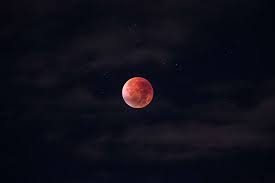
Lunar eclipse is today, and sky enthusiasts in Nepal and India are in for a treat! On September 7–8, 2025, a total lunar eclipse will grace the night sky, visible across both countries. This celestial event, known as Chandra Grahan in Hinduism, is not only a stunning astronomical phenomenon but also holds cultural and spiritual significance for many in Nepal and India. Let’s dive into what makes this eclipse special, how to observe it, and its importance in our cultural context.
When to Watch the Lunar Eclipse in Nepal and India
The total lunar eclipse will light up the night sky, perfectly timed for evening viewing in Nepal and India. Here are the key stages of the eclipse, adjusted for local time zones:
- Nepal (NPT, UTC+5:45):
- Penumbral Eclipse Begins: 9:13 PM, September 7, 2025
- Partial Eclipse Begins: 10:11 PM, September 7, 2025
- Total Eclipse Begins: 11:15 PM, September 7, 2025
- Maximum Eclipse: 11:56 PM, September 7, 2025
- Total Eclipse Ends: 12:38 AM, September 8, 2025
- Partial Eclipse Ends: 1:41 AM, September 8, 2025
- Penumbral Eclipse Ends: 2:39 AM, September 8, 2025
- India (IST, UTC+5:30):
- Penumbral Eclipse Begins: 8:58 PM, September 7, 2025
- Partial Eclipse Begins: 9:56 PM, September 7, 2025
- Total Eclipse Begins: 11:00 PM, September 7, 2025
- Maximum Eclipse: 11:41 PM, September 7, 2025
- Total Eclipse Ends: 12:23 AM, September 8, 2025
- Partial Eclipse Ends: 1:26 AM, September 8, 2025
- Penumbral Eclipse Ends: 2:24 AM, September 8, 2025
This eclipse will be visible across all of Nepal and India, from urban hubs like Pokhara, Mumbai, and Kolkata to rural areas, provided the skies are clear. The lunar eclipse is today is a perfect opportunity to gather with friends and family to enjoy this cosmic display.
Understanding the Total Lunar Eclipse
A lunar eclipse happens when the Earth aligns between the Sun and the Moon, casting its shadow on the lunar surface. During a total lunar eclipse, the Moon enters the Earth’s umbral shadow, often glowing a dramatic red—hence the term “blood moon.” This reddish hue results from sunlight filtering through Earth’s atmosphere, scattering blue light and letting red light bathe the Moon.
Unlike solar eclipses, lunar eclipses are completely safe to view with the naked eye. You don’t need special equipment, though binoculars or a small telescope can enhance the experience, revealing the Moon’s craters and the shadow’s gradual creep.
Tips for Watching the Lunar Eclipse
To make the most of the lunar eclipse is today experience, here are some tips for readers in Nepal and India:
- Check the Weather: Ensure the skies are clear in your area. September is typically post-monsoon in Nepal and India, so you may have a good chance of clear skies, but check local weather forecasts.
- Use Binoculars or a Telescope: While the eclipse is visible to the naked eye, binoculars or a telescope can enhance the view, revealing the Moon’s craters and the subtle reddish hue during totality.
- Stay Warm: September nights can be cool, especially in higher-altitude areas like Nepal. Bring a blanket or jacket to stay comfortable.
- Capture the Moment: If you’re into photography, use a DSLR or a smartphone with a good camera to capture the eclipse. A tripod and a telephoto lens can help you get stunning shots.
- Watch with Friends or Family: Make it a fun event by gathering loved ones for a moonlit picnic or a stargazing party.
Cultural Significance in Nepal and India
In Nepal and India, lunar eclipses, or Chandra Grahan, hold deep cultural and spiritual significance. Traditionally, some communities observe specific rituals during an eclipse, such as fasting or avoiding certain activities. However, modern science has debunked myths about eclipses being harmful. For example, it’s perfectly safe to watch a lunar eclipse with the naked eye, unlike a solar eclipse.
In Hindu tradition, the eclipse is often associated with Lord Shiva and Goddess Parvati, and some may visit temples or perform prayers. Whether you approach the lunar eclipse is today event from a scientific or cultural perspective, it’s a beautiful opportunity to connect with the cosmos and reflect on our place in the universe.
Fun Facts About the Lunar Eclipse
- The reddish color during a total lunar eclipse is caused by sunlight filtering through Earth’s atmosphere, scattering blue light and leaving red hues.
- This eclipse coincides with the Harvest Moon, the full moon closest to the autumn equinox, making it extra special.
- The next total lunar eclipse visible in Nepal and India after this one won’t occur until December 31, 2028, so don’t miss the lunar eclipse is today!
Conclusion
The lunar eclipse is today, September 7, 2025, and it’s a perfect chance for people in Nepal and India to witness a breathtaking celestial event. Whether you’re an avid stargazer or simply curious, step outside, look up, and marvel at the beauty of the universe. Share your experience with friends, capture photos, and celebrate this rare moment when the Moon, Earth, and Sun align in a cosmic dance.
Clear skies and happy eclipse watching!