
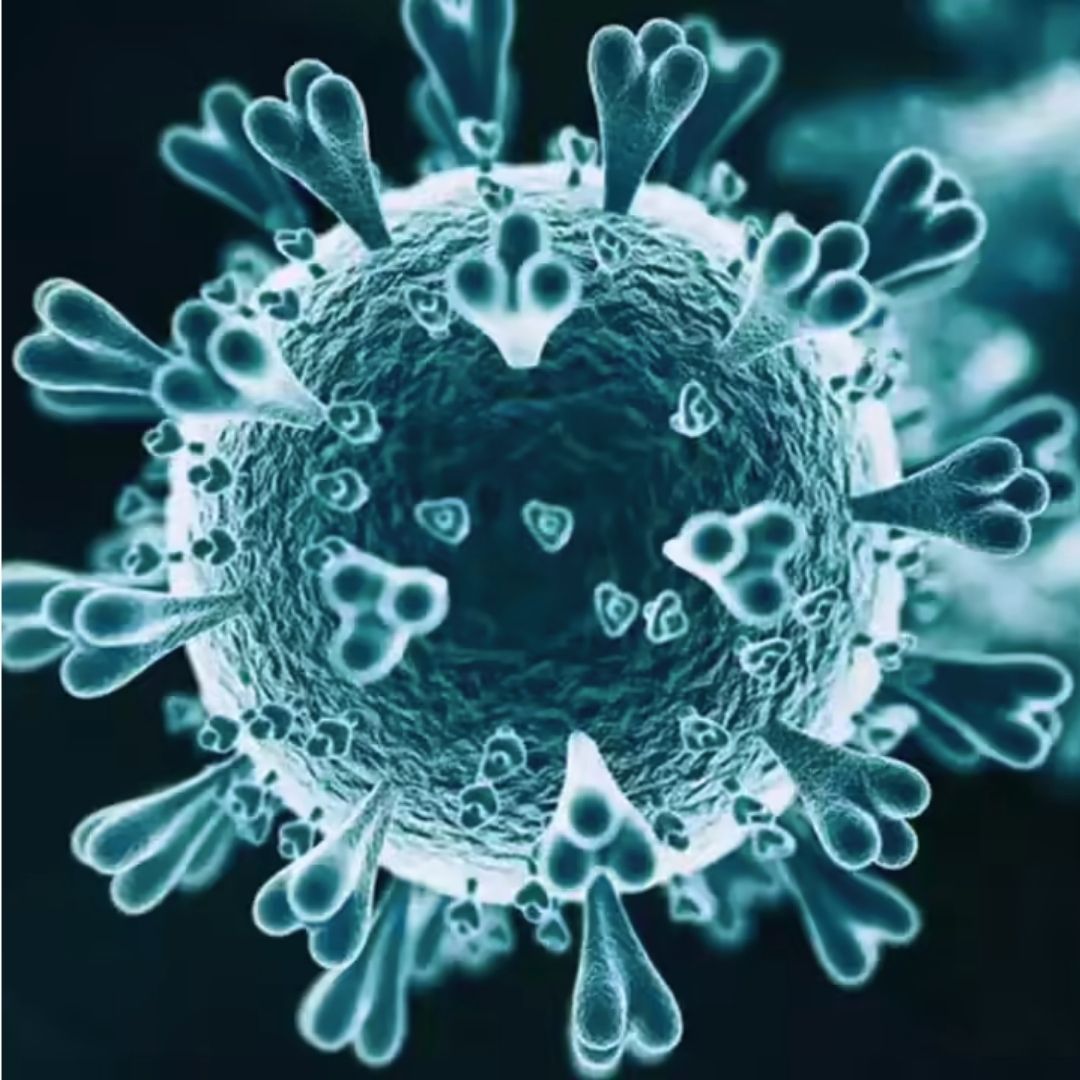
Andes virus (ANDV) is a hantavirus that causes hantavirus pulmonary syndrome (HPS), also known as hantavirus cardiopulmonary syndrome (HCPS). It is one of the most serious hantaviruses in South America and stands out because it is the only known hantavirus capable of limited person-to-person transmission. Understanding exactly how does the Andes virus spread is essential for anyone living in or traveling to affected regions.
In this guide, we’ll break down the main transmission routes, symptoms, recent developments, and practical ways to protect yourself and your family.
Primary Transmission: From Rodents to Humans
The vast majority of Andes virus infections begin with rodents. The long-tailed pygmy rice rat carries the virus naturally without showing any signs of illness. The animals shed the virus in their urine, droppings, and saliva.
People usually get infected by breathing in tiny airborne particles containing the virus. This often happens when cleaning enclosed spaces like sheds, cabins, barns, or storage rooms where rodents have been active. Sweeping or vacuuming dry droppings can stir up dust and release virus particles into the air.
Other possible ways include:
- Touching rodent waste and then touching your eyes, nose, or mouth
- Getting urine or droppings into open cuts or scratches
- Rarely, a bite from an infected rodent
This rodent-to-human route is the main way the virus enters human populations. It is more common in rural and semi-rural parts of Argentina and Chile, especially during times when rodent numbers increase.
Andes virus does not spread through casual everyday contact, contaminated food or water in normal settings, or through insects like mosquitoes.
Person-to-Person Transmission: The Unique Risk
What makes the Andes virus different from other hantaviruses is its ability to spread between people in certain situations. This type of transmission is still uncommon and usually requires prolonged, close contact with someone who is already sick.
It likely spreads through respiratory droplets produced when an infected person coughs or sneezes, or through direct contact with their body fluids during the early stage of illness. Situations that increase risk include:
- Living in the same household
- Providing care for a sick person
- Sharing a bed or having intimate contact
- Attending crowded indoor gatherings with a highly infectious individual
The first confirmed cases of person-to-person spread were documented in Argentina in the 1990s. Since then, several outbreaks have shown how one infected person can pass the virus to multiple close contacts, especially when viral loads are high.
Recent Outbreak Raises Global Concern
In early 2026, an outbreak linked to the MV Hondius cruise ship departing from Ushuaia, Argentina, brought international attention to the virus. Multiple cases and several deaths were reported, with health officials investigating possible person-to-person transmission in the close quarters of a cruise ship. This event shows how the virus can travel beyond South America when conditions allow human-to-human spread.
Symptoms You Should Never Ignore
After exposure, symptoms usually appear between two to four weeks later, though this can range from one to eight weeks.
The illness typically develops in two phases:
Early (Prodromal) Phase: Flu-like symptoms that last a few days:
- High fever
- Severe fatigue and muscle aches
- Headache and chills
- Dizziness
- Nausea, vomiting, and abdominal pain
Cardiopulmonary Phase -This stage can begin suddenly and become life-threatening:
- Severe shortness of breath
- Persistent cough
- Fluid fills the lungs
- Drop in blood pressure
- Possible heart and lung complications
The fatality rate for Andes virus infections is higher than that of many other hantaviruses, often ranging from 30% to 50%. However, prompt hospital care with supplemental oxygen and intensive treatment can significantly improve survival chances.
Who Is Most at Risk?
- People living or working in rural areas of South America
- Travelers visiting endemic regions
- Those cleaning or disturbing old buildings that may have rodent nests
- Close family members and caregivers of confirmed patients during outbreaks
Practical Prevention Steps
Avoid Rodents
- Seal cracks and holes in homes and buildings
- Store food in airtight containers
- Keep yards clean and remove potential nesting sites
- When cleaning areas that might have rodents, always wear an N95 mask, gloves, and eye protection. Use a disinfectant spray or bleach solution and wet-clean instead of sweeping.
Prevent Person-to-Person Spread
- Isolate anyone showing symptoms if you’re in an affected area
- Wear masks and maintain good hand hygiene around sick individuals
- Avoid close physical contact until they recover
- Follow health authority guidelines during any reported outbreaks
There is currently no vaccine or specific antiviral treatment for the Andes virus. Medical care focuses on supporting breathing and stabilizing the patient.
Frequently Asked Questions
Is the Andes virus as contagious as COVID-19? No. It does not spread easily through casual contact or over long distances in the air. It requires close and prolonged exposure.
Can I get the Andes virus while traveling in South America? The risk remains low for most tourists, but it increases if you stay in rural accommodations or participate in activities that disturb rodent habitats.
What should I do if I feel sick after traveling? See a doctor immediately and mention your travel history and any possible contact with rodents or sick individuals.
Final Thoughts
So, how does the Andes virus spread? Primarily through aerosolized particles from infected rodent droppings and urine, with the added possibility of limited person-to-person transmission during close contact with symptomatic patients. While cases are still relatively uncommon, the virus’s severity makes awareness and prevention important.www.ndtv.com
By taking simple precautions around rodents and staying informed during outbreaks, you can greatly reduce your risk. If you live in or plan to visit South America, keep these facts in mind and always prioritize good hygiene and rodent control.Homemade Cough Medicine: Your Kitchen’s Answer to Winter Coughs