

Sweden, long celebrated as a beacon of social equality and safety, is facing an alarming rise in youth crime in Sweden, a crisis that has shattered its once-idyllic reputation. The involvement of minors—some as young as 12—in violent acts like shootings, bombings, and drug trafficking has surged, with incidents like the October 3, 2025, Gävle shooting, where a 14-year-old boy with alleged ties to the G15 gang injured six people, thrusting the issue into the national spotlight. This blog delves into the roots, scale, and societal impact of Sweden’s youth gang crisis, drawing on recent data and focusing on the G15 gang’s history as a microcosm of the broader challenge. With gun homicides and explosions soaring, Sweden stands at a crossroads, grappling with how to balance prevention, punishment, and systemic reform.
The Gävle Shooting: A Wake-Up Call
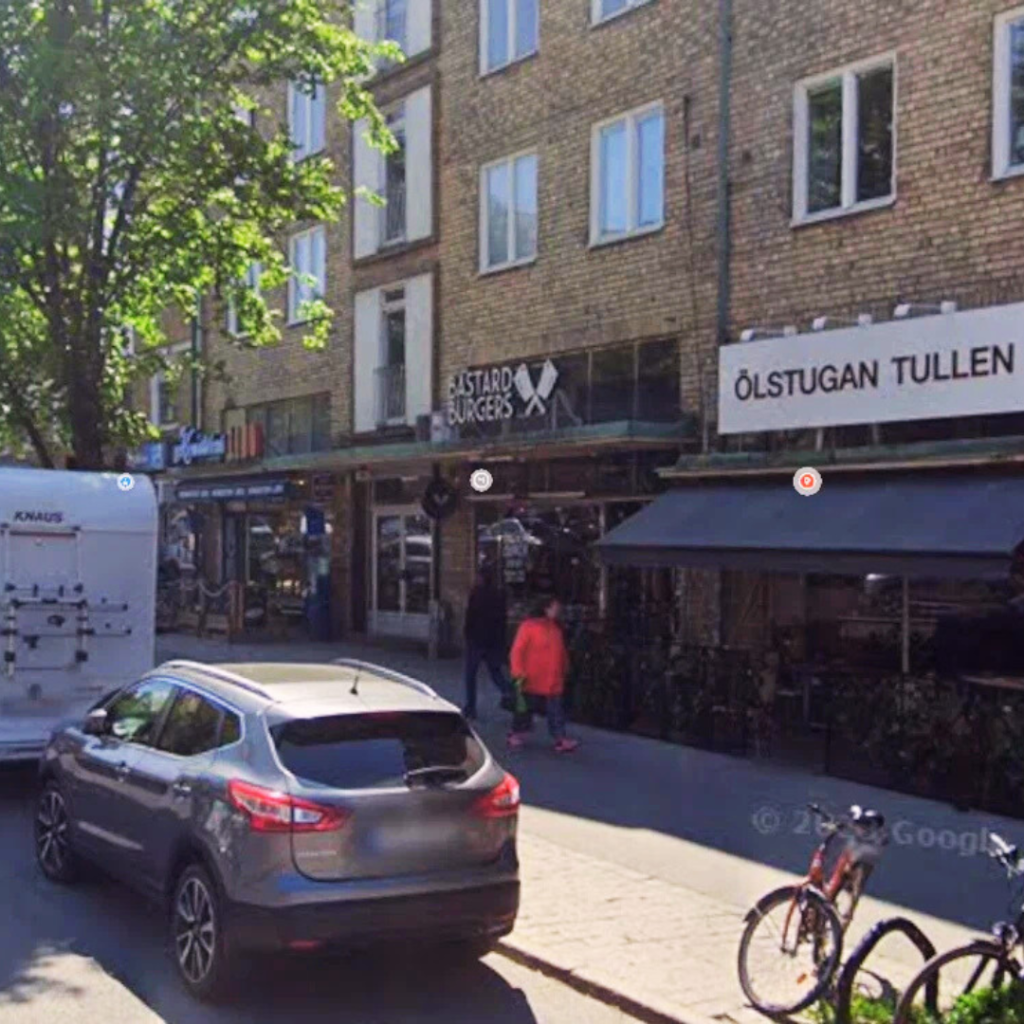
On October 3, 2025, at around 2 a.m., chaos erupted on Södra Kungsgatan, a bustling pedestrian street in Gävle, a city of 80,000 located 86 miles north of Stockholm. A 14-year-old boy, allegedly linked to the G15 gang, opened fire with a handgun, injuring six teenagers and young adults. None of the injuries were life-threatening, but the scene was harrowing: victims fled into a nearby restaurant, shell casings littered the street, and panicked crowds scattered as gunfire echoed through bars and shops. Police arrested the suspect nearby, charging him with attempted murder and illegal weapons possession. Now detained in a youth facility, the boy had no prior convictions but was reportedly recruited via social media platforms like Telegram, a common tactic in Sweden’s gang underworld.
The incident, captured in viral video footage, underscored a grim reality: youth crime in Sweden is no longer confined to shadowy suburbs but spills into public spaces, threatening civilians and eroding the nation’s sense of security. Prime Minister Ulf Kristersson called it a “wake-up call” on youth radicalization, stating, “We cannot allow 14-year-olds to carry guns and destroy lives—this must stop.” The Gävle shooting has reignited debates over how Sweden, once a model of the “Nordic miracle,” became Europe’s gang violence hotspot.
The G15 Gang: A Case Study in Youth Radicalization
To understand youth crime in Sweden, the G15 gang in Gävle’s Sätra district offers a stark case study. Emerging around 2020-2021, G15—often called “barngänget” (the child gang) due to its underage members—formed amid the fragmentation of larger criminal factions in Gävle. The city’s gang scene, once dominated by motorcycle clubs like Bandidos and Outlaws, split into smaller groups like G10, G15, G20, G25, and G30 after violent clashes between rival alliances known as “de röda” (the reds) and “de blå” (the blues). G15, aligned with “de blå,” rose from Sätra, a socioeconomically challenged suburb built in the 1970s with a significant immigrant population.
Initially, G15 was dismissed as a group of teens causing minor disruptions—vandalism and loitering at Sätra’s shopping center. By late 2021, however, police documented their shift to organized drug sales, group robberies, and firearm possession, with a seized image showing a member posing with a loaded handgun. By 2022, G15 had grown to over 30 members, mostly aged 15-19, with “springpojkar” (errand boys) as young as 13-14 smuggling weapons and drugs. Their rise was described as “lavinartad” (avalanche-like) by police, fueled by extreme motivation and fearlessness toward violence.
Key incidents cemented G15’s notoriety. In January 2022, three members were convicted of a brutal assault in Engeltofta using knives and scissors, marking their entry as a cohesive threat. Later that year, shootings at Gävle’s central station and a 24-year-old’s execution-style killing in Sätra (14 shots at close range) were linked to the gang. By 2023, G15 controlled Sätra’s drug trade, with leaders facing charges for murder attempts, arson, and coercion of minors into drug sales. In 2025, the gang was implicated in a nightclub shooting, “hit lists” offering bounties up to 500,000 SEK, and the torture-murders of two teens. The October Gävle shooting, allegedly by a 14-year-old from Sätra, tied to a senior G15 member’s building, underscores their ongoing influence.
G15’s structure is hierarchical, with 4-5 adult leaders (born 1993-2002) directing operations, while youths handle high-risk tasks. Their activities—drug trafficking, weapon smuggling, extortion, and contract killings—are bolstered by alliances with G20/G30 and ties to Stockholm’s 24K and Husby Hyenor gangs. With an estimated 30-40 members, G15 exemplifies how youth crime in Sweden thrives on exploiting minors, who face lighter penalties due to the country’s age of criminal responsibility (15).
The Broader Youth Gang Crisis
The G15 gang is not an anomaly but part of a nationwide surge in youth crime in Sweden. Between January and July 2025, 93 children aged 14 or younger were suspected in murders or attempted murders, a dramatic increase from pre-2020 levels. Over 1,000 minors are linked to serious crimes annually, including drug trafficking and weapons offenses. Sweden’s gun homicide rate is now the EU’s highest—double Croatia’s—with 62 fatal shootings and 119 explosions (often gang-related bombings) in the first eight months of 2025. Cities like Stockholm, Malmö, Uppsala, and Gävle are hotspots, with suburbs such as Rinkeby, Rosengård, Gottsunda, and Sätra bearing the brunt.
Several trends define this crisis:
- Younger Perpetrators: The average age of gang recruits is dropping, with 12-14-year-olds increasingly involved in shootings, as seen in Gävle and Uppsala.
- Gender Shift: Girls are emerging as perpetrators, with cases in Orebro and Uppsala involving female “hitwomen.”
- Bystander Risks: Civilians, including children, are frequent collateral damage. A May 2025 Uppsala salon shooting killed three, including a teen, while a February mass shooting claimed 10 lives.
These incidents reflect a broader security crisis. Sweden’s bombing rate is unmatched globally outside war zones, and its gang violence has drawn international attention, with figures like Hungary’s Viktor Orbán framing it as a migration-linked failure. Yet, the crisis is complex, rooted in systemic and global factors.
Root Causes of Youth Crime in Sweden
Several drivers fuel youth crime in Sweden:
- Socioeconomic Disparities: Suburbs like Sätra and Gottsunda face poverty (e.g., 20% unemployment vs. 3% nationally), school dropout rates, and social exclusion, particularly among immigrant communities. These areas become recruitment grounds for gangs exploiting vulnerable youth.
- Gang Recruitment Tactics: Gangs like G15 and Foxtrot leverage Sweden’s age of criminal responsibility, using minors for high-risk tasks via platforms like Telegram. Promises of cash, status, or threats coerce participation, with rap videos glamorizing the lifestyle.
- Global Criminal Networks: An estimated 600 foreign-based criminals, often in Turkey or Iran, orchestrate hits and drug trafficking, directing Swedish gangs remotely.
- Cultural Influences: Social media and gang-affiliated rap music amplify the allure of crime, drawing in impressionable teens.
These factors converge in suburbs like Sätra, where G15 recruits youths from marginalized backgrounds, offering a sense of belonging absent in strained schools or job markets.
Policy Responses and Societal Debate
Sweden’s government is responding with urgency but faces divisive choices. Key measures include:
- Legislative Reforms: Laws to lower the criminal responsibility age to 13 and allow wiretaps on under-15s are set for fall 2025. Extradition efforts target gang leaders abroad.
- Police Operations: Efforts focus on disrupting recruitment and seizing weapons, though gangs adapt quickly. G15 alone has 33 active members in Gävle.
- Prevention Programs: Investments in education and jobs aim to counter recruitment, but funding lags behind enforcement.
Public opinion is split. A 2025 poll showed 62% support for stricter youth penalties, reflecting fear and frustration, with 45% of Uppsala residents feeling unsafe at night. However, child rights advocates and academics warn that a “tough-on-crime” approach, modeled on failed U.S. policies, risks stigmatizing youth without addressing root causes like poverty and integration failures. Critics call for more social workers, school programs, and community centers in suburbs like Sätra.https://hradecky.denik.cz/
A Nation Transformed
The youth crime crisis in Sweden has reshaped the nation’s identity. Once a symbol of safety, Sweden now grapples with fear in public spaces, from Gävle’s pedestrian streets to Uppsala’s salons. The G15 gang’s evolution—from petty troublemakers to a dominant criminal force—mirrors the broader challenge: a generation of youths caught in a cycle of violence, fueled by systemic neglect and global crime networks.https://theinfohatch.com/2025-nobel-prize-in-physiology-or-medicine-award/
Without holistic solutions—tackling poverty, strengthening schools, and disrupting online recruitment—experts warn the crisis will worsen. Minors will continue to be pawns in turf wars, and incidents like the Gävle shooting will multiply. Sweden stands at a crossroads: will it reclaim its legacy of social cohesion, or slide further into a security quagmire? The answer lies in balancing accountability with opportunity for its youth, ensuring that 14-year-olds like the Gävle suspect are not lost to the streets.